

https://shop.fervogear.com/cart


Alexander Rossi Dominates IR-28 Testing as IndyCar Pushes Chassis Limits at Sebring

Highlights
- Alexander Rossi tested the new IndyCar IR-28 chassis at Sebring.
- Rossi completed 134 laps on Sebring’s rough and challenging surface.
- Alex Palou drove 43 laps on Honda-powered chassis earlier at Sebring.
- IR-28 features integrated cooling ducts improving driver comfort and drivability.
- Testing aims to identify issues before the IR-28’s 2028 debut season.
- Development focuses on balancing performance, reliability on diverse track surfaces.
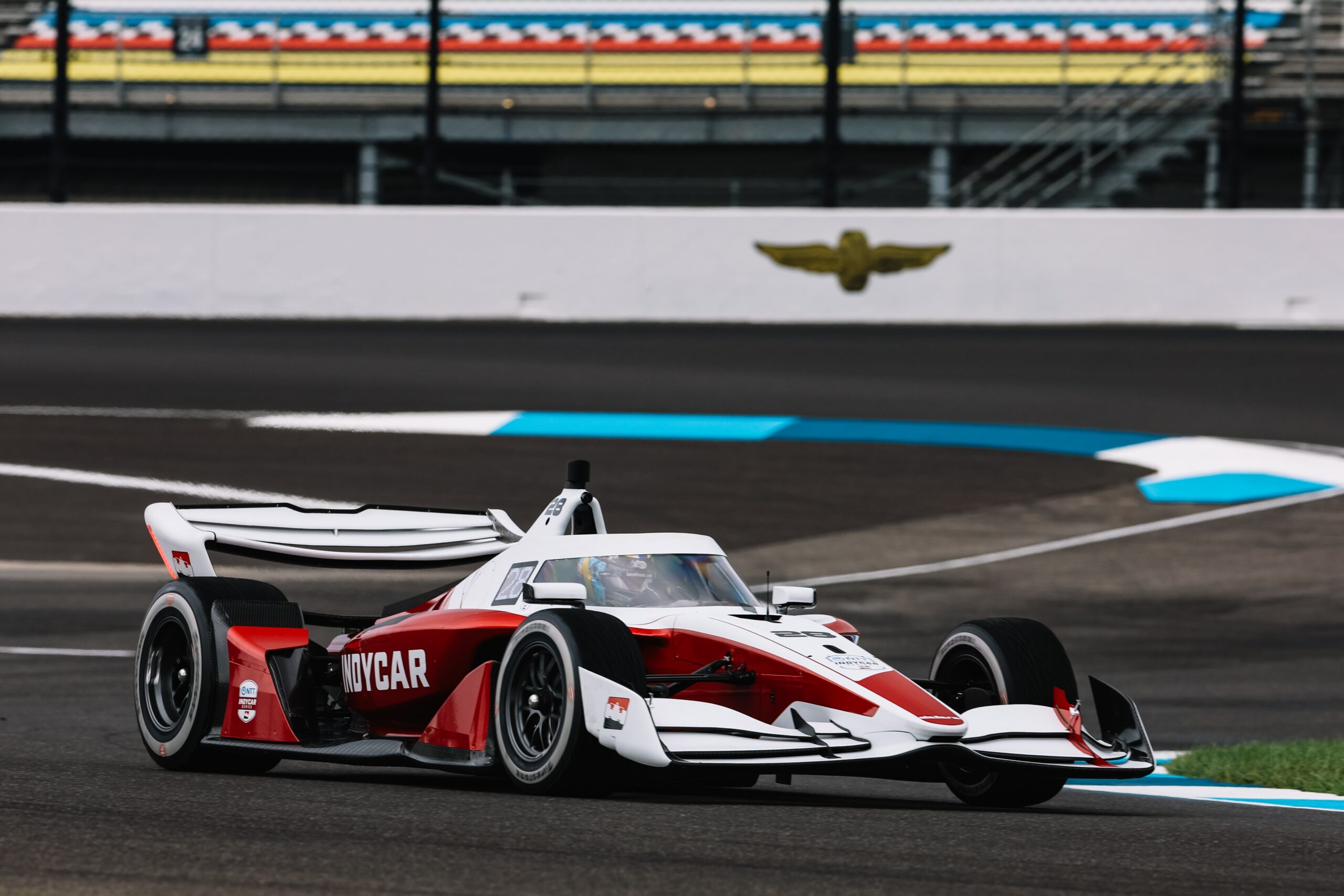
Alexander Rossi led day two of IR-28 testing at Sebring, logging heavy mileage on the abrasive layout to validate performance and durability ahead of the chassis’s planned 2028 debut.
Rossi, running Chevrolet power for Ed Carpenter Racing, completed 134 laps, mirroring race-weekend intensity to expose latent issues under heat, vibration, and long-run load cases.
Rossi logged 134 laps at Sebring to stress-test the IR-28 under race-intensity conditions.
Sebring’s concrete-asphalt patchwork amplifies vertical inputs and compliance demands, offering a harsher benchmark than Indianapolis’ smooth surface used in earlier system checks.
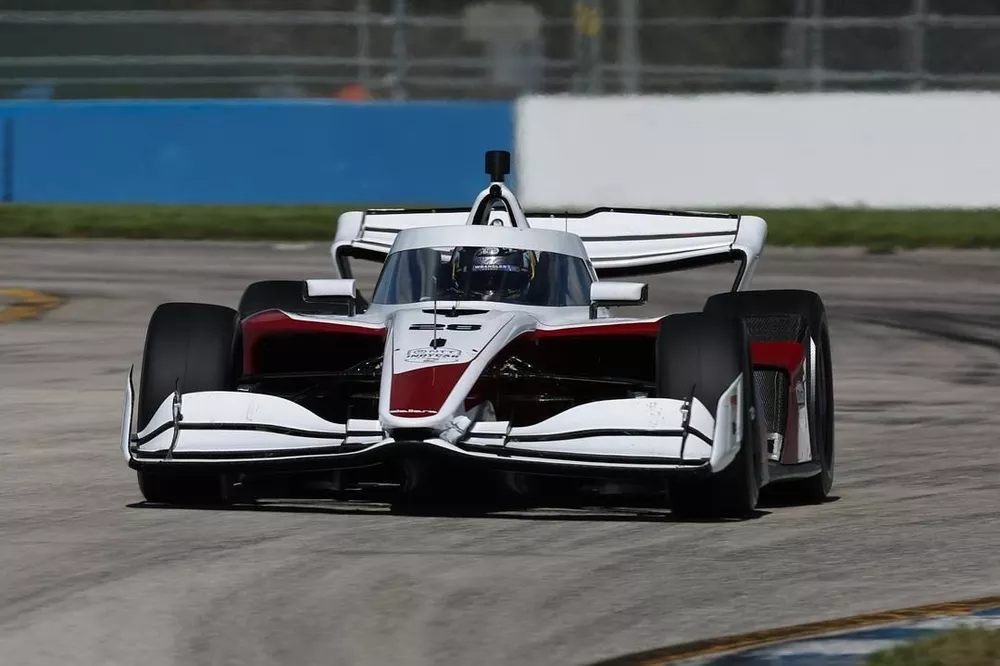
The previous day, Alex Palou completed 43 laps for Ganassi on Honda power, as outlined in the Palou Sebring test update, providing a manufacturer cross-check on Sebring’s unforgiving outer loop.
Early Indianapolis running focused on system integrity and baseline procedures, detailed in the IndyCar IR-28 Sebring test report, while Sebring targets endurance, vibration exposure, and component fatigue over extended runs.
Palou’s 43 laps on Honda power complement Rossi’s Chevrolet mileage for broader validation.
A notable change is integrated bodywork cooling, replacing add-on ducting to improve airflow efficiency, cockpit temperatures, and drivability, especially helpful during slow-speed street events common on the current calendar.
Palou reported meaningful cockpit gains on Monday, and Rossi corroborated the step on Tuesday, indicating progress on a chronic weakness without resorting to awkward external appendages.
Integrated cooling ducts mark a clear usability step, boosting comfort and consistency over long stints.
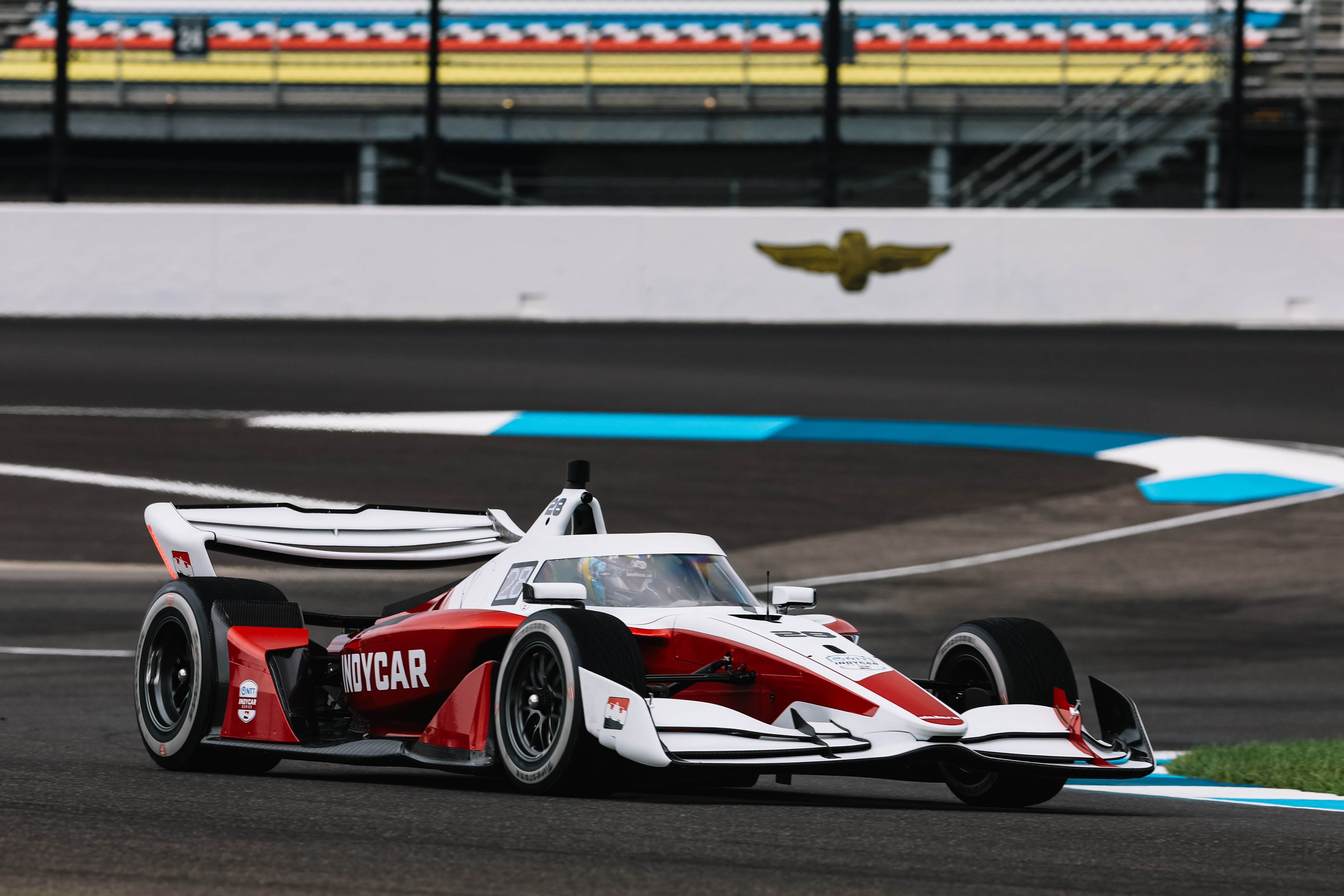
Rossi characterizes the IR-28 as a substantial upgrade, citing stable high-speed grip and compliant balance, attributes that matter on bumpy tracks and fast sweepers alike.
Engineering priority now is reconciling durability with peak performance, ensuring the package tolerates Sebring-grade punishment without compromising the racing product’s tactical depth.
The team approached the run plan like a race weekend, stacking long stints to surface minor faults, so fixes can reach production well before 2028.
Cross-manufacturer mileage helps series parity, supporting calibration decisions and supplier integration for a single-spec chassis that must serve road, street, and oval demands.
That process aligns with IndyCar’s incremental technology roadmap and recent partnership activity, strengthening governance around testing scope and cost control.
Every Sebring lap adds resolution to the validation picture, informing specification choices and ensuring teams can rely on a robust, raceable IR-28 from launch.
Visual Summary
IR-28 Survives Sebring’s Torture Test
134 Laps (Rossi)
43 Laps (Palou)
Major Cooling Upgrade
IR-28 Endurance Progress (2028 debut)
Sebring’s bumps reveal the next-gen car’s strengths (and weaknesses)
A
“Big upgrade—grip is impressive; cooling makes a huge difference.”
“Big upgrade—grip is impressive; cooling makes a huge difference.”
P
“Cockpit cooling is a breakthrough for the summer street races.”
“Cockpit cooling is a breakthrough for the summer street races.”
Every lap at Sebring shakes out problems—
readying IndyCar’s future, one bump at a time.
readying IndyCar’s future, one bump at a time.

Brian Thompson focuses on IndyCar Series news, from qualifying speeds at Indianapolis Motor Speedway to street-course race strategy. He delivers concise feature stories and technical breakdowns on chassis setups, tire choices, and championship standings for open-wheel enthusiasts.




