https://shop.fervogear.com/cart


Red Bull Unveils Massive Potential of Its Power Unit

Highlights
- Red Bull launched its first in-house power unit in 2026 season
- Engine showed highest power output during FIA testing this year
- Stricter development limits challenge Red Bull compared to rivals
- Integration of engine and chassis teams remains a significant hurdle
- Max Verstappen won consecutive races in Malaysia and Singapore
- Technical director rates engine development progress as four or five
Red Bull says its first in-house power unit holds substantial untapped performance, despite a challenging start to the 2026 Formula 1 campaign.
FIA testing shows the Red Bull internal-combustion engine producing the highest peak output on the grid, highlighting scope if deployment, harvesting, and energy management improve.

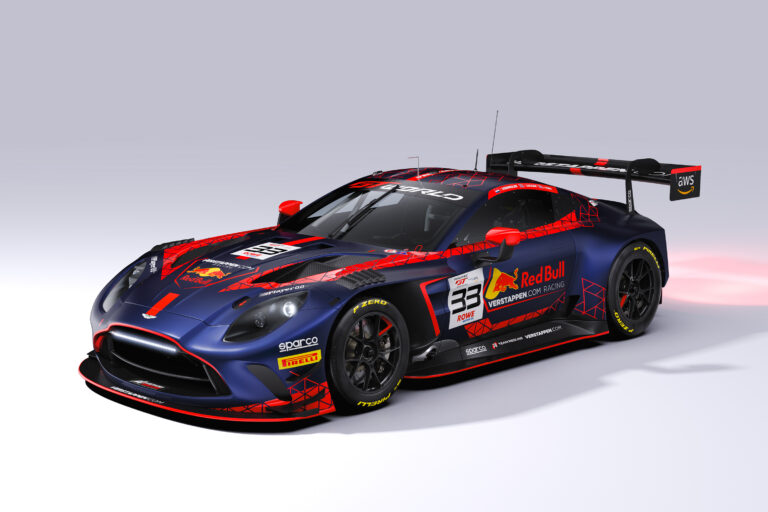
This shift completes a long-term transition. After using Cosworth, Ferrari, Renault, and Honda from 2005 to 2025, Red Bull assumed full responsibility in 2026 with Ford-badged Red Bull Powertrains.
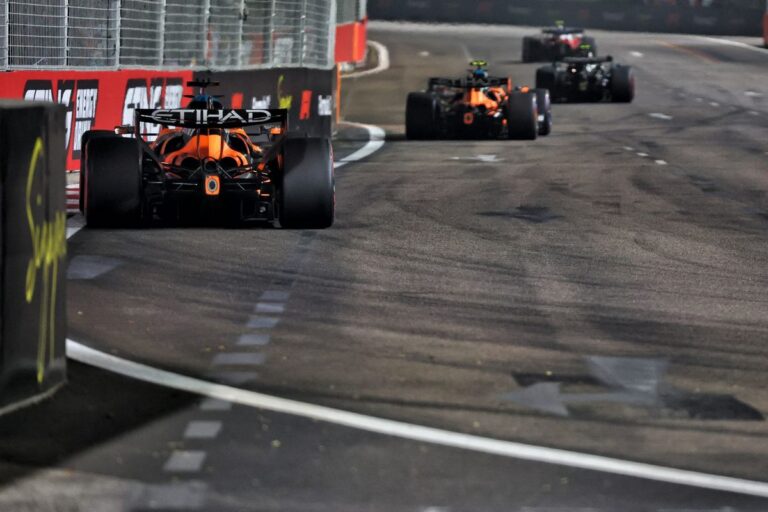
Early running remains uneven, and the project is constrained by stricter development limits than some rivals. That narrows iteration windows and complicates correlation under the all-new 2026 regulatory framework.
Technical director Pierre Waché describes a cultural and technical overhaul at Milton Keynes, with responsibility for architecture, calibration, and reliability now concentrated internally rather than managed with partners.
Red Bull’s 2026 in-house ICE posted the highest peak output in FIA testing.
Waché currently scores the engine at four or five out of ten, while stressing the upgrade ceiling is significant.
The principal blocker is integration. Power unit and chassis groups operate on different cadences and methodologies, creating misalignments in packaging, cooling targets, and performance trade-offs.
Chassis work tends to move quickly with short lead times. Power unit development is slower and sequential, so shared milestones and decisions require tighter governance and discipline.
Engine–chassis integration is the key bottleneck Red Bull must unblock to convert dyno promise into consistent pace.
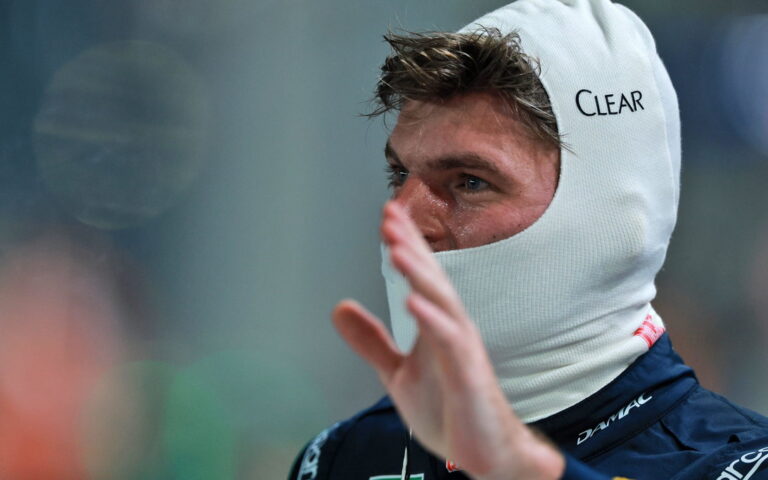
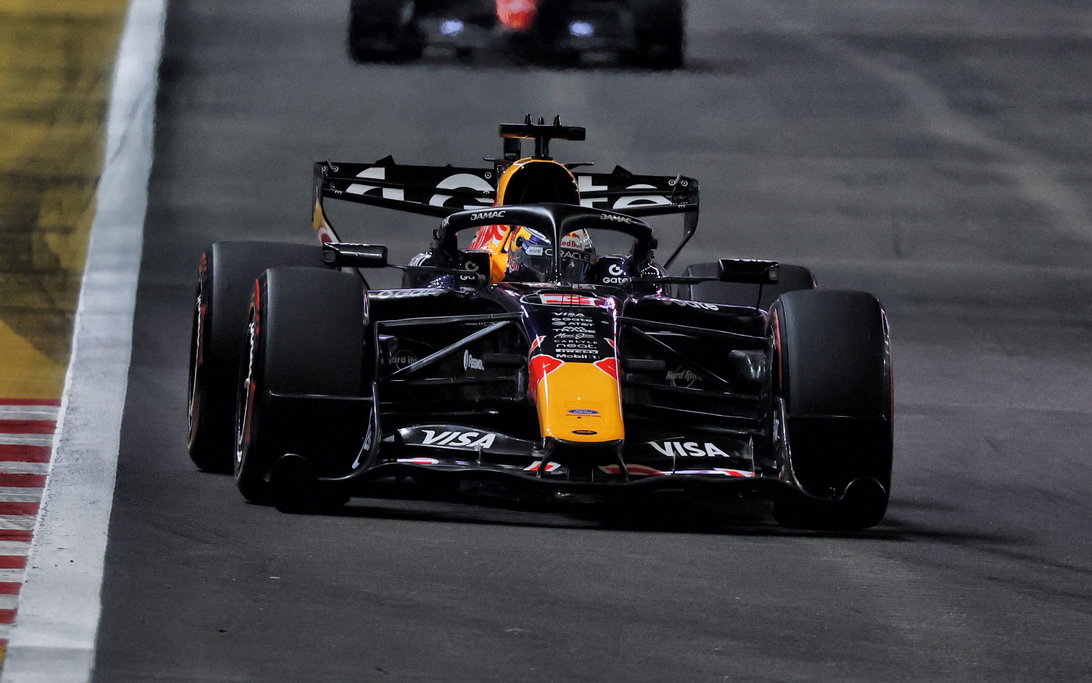
Even so, the package has progressed. Max Verstappen’s back-to-back wins in Malaysia and Singapore support that trajectory, reflecting improving execution under pressure and better race-day correlation.
That uplift stems from cleaner energy deployment, tighter thermal management, and incremental chassis upgrades tuned to the unit’s torque profile and harvesting characteristics.
Waché rates the current state “four or five” out of ten, citing significant headroom.
Competitive pressure remains intense. Rivals continue to iterate, and Red Bull’s constraints heighten the need for efficient upgrades, echoing the team’s recent warning to the field.
Strategically, aligning PU packaging, aero efficiency, and energy targets is likely the next decisive Red Bull factor as the team seeks consistent performance across circuit types.
Short term, reliability under new duty cycles stays paramount. Beyond that, calibration, ancillaries, and MGU deployment phasing offer cleaner gains than wholesale architectural changes mid-season.
With regulatory stability into 2027, cumulative, well-sequenced steps should unlock more of the dyno-indicated potential than headline overhauls that risk correlation drift.
If Red Bull sustains integration gains, its 2026 project can translate raw power into repeatable advantage, consolidating competitiveness as development tokens and resources tighten.
Visual Summary
Highest raw engine power on the grid
But still just 4 out of 10 unlocked
But still just 4 out of 10 unlocked
🤝
Engine & Chassis
Learning to work together
Learning to work together
🤝
🔗
Cosworth
→
Ferrari
→
Renault
→
Honda
⏩
REDBULL
🚀
Cosworth
→
Ferrari
→
Renault
→
Honda
⏩
REDBULL
🚀
First full in-house engine in 2024 after 20 years
Red Bull takes control, partners with Ford for 2026
Red Bull takes control, partners with Ford for 2026
🏎️
Verstappen
Back-to-back Malaysia & Singapore wins
Huge potential still locked inside
New engine, new era.
Red Bull aims to unlock the rest by 2027.
🔒 ➡️ 🚀
Red Bull aims to unlock the rest by 2027.
🔒 ➡️ 🚀

Daniel Miller reports on Formula 1 Grand Prix weekends with race-day analysis, team-radio highlights, and point-standings updates. He explains power-unit upgrades, aerodynamic developments, and driver rivalries in straightforward, SEO-friendly language for a global F1 audience.