https://shop.fervogear.com/cart


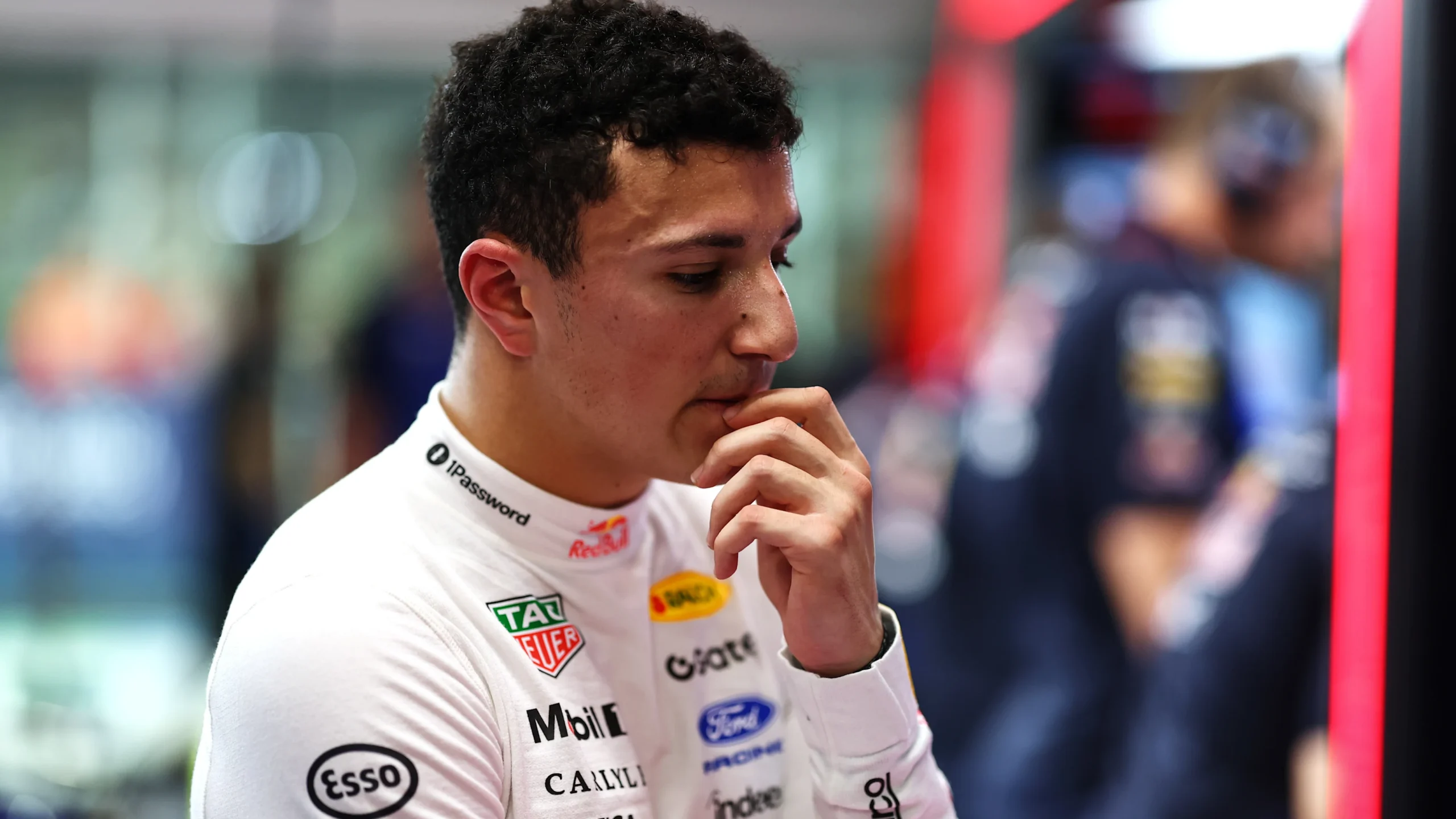
Isack Hadjar’s Singapore F1 Disaster Weekend Unpacked

Highlights
- Hadjar faced car issues from first practice to race day.
- Power unit failure caused retirement in sprint race, car caught fire.
- Qualified ninth but failed to set a time due to gearbox failure.
- Started race from pit lane, finished 10th, scoring one point.
- Hadjar praised mechanics despite a frustrating Singapore Grand Prix weekend.
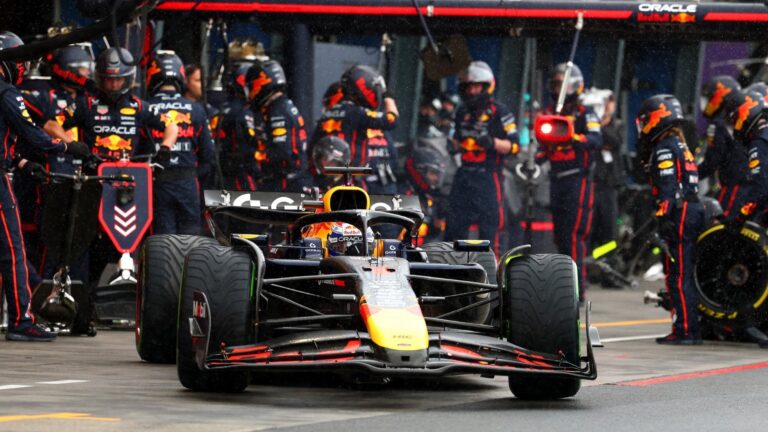
Isack Hadjar salvages a point in Singapore after a reliability-hit weekend that unravels from Friday to Sunday. Multiple failures and penalties derail momentum, yet a pit-lane start becomes P10.
“I could have stayed back in Paris,” he says, capturing a bruising event that taxes both driver and crew during a relentlessly compromised programme across sessions.

Early warning signs arrive in FP1. The Red Bull bottoms under braking, the throttle pedal feels slippery, and pace is adrift. He ends eighth, 1.45s off George Russell and 0.7s behind Max Verstappen.
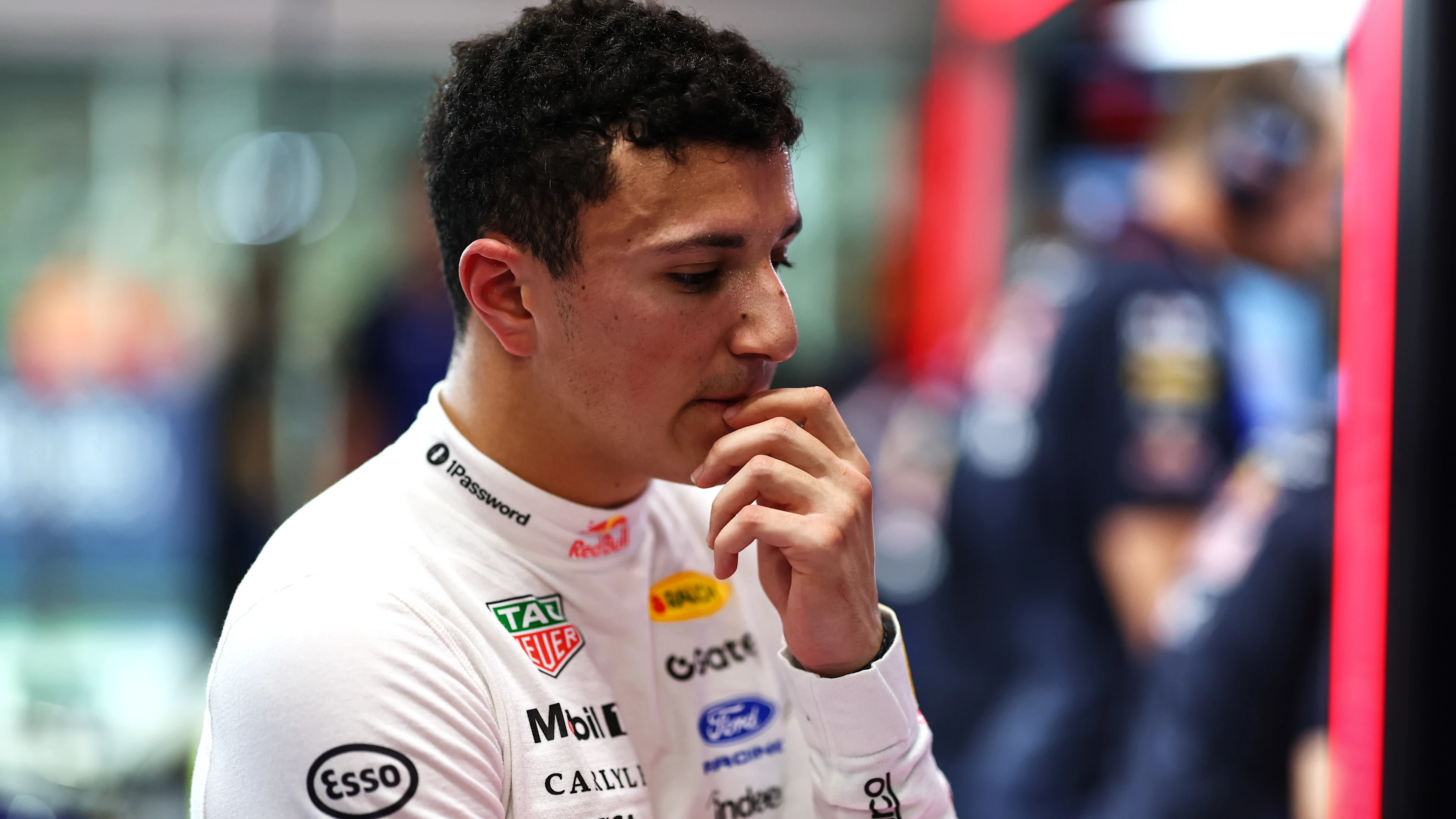
Sprint qualifying compounds the slide. He reaches Q3 but has his lap deleted for track limits and lines up ninth. The best effort is nearly nine-tenths slower than Verstappen.
“I could have stayed back in Paris, it would have been the same.”</fervogear_custom]
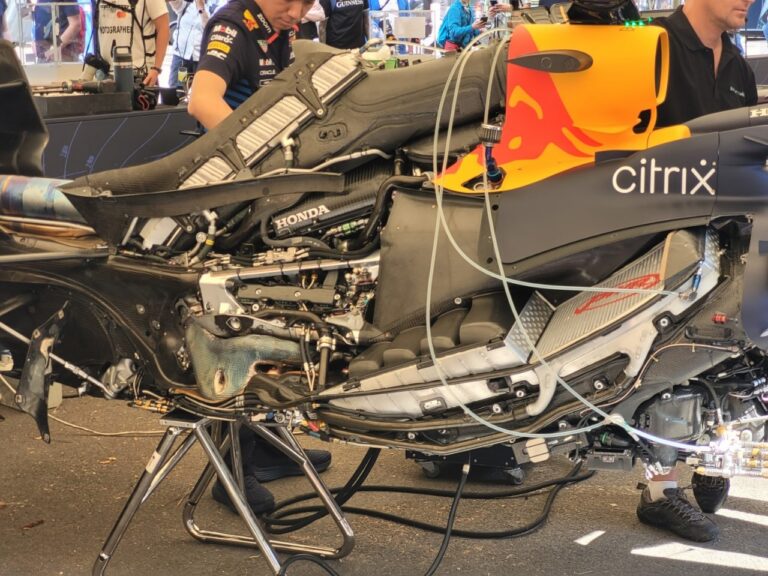
Hadjar reports late-run engine issues, adding to confusion over the deficit, with potential implications for future allocations and any engine penalty exposure.
The sprint turns disastrous in wet conditions. He loses places at the start, then retires with a power unit failure. The car catches fire, ending any chance to stabilise the weekend.
[fervogear_custom]Power unit failure ends the sprint early as the car catches fire in wet conditions.
Main qualifying brings more chaos. A broken fourth gear stops the car on track. He restarts, pits, and attempts another run, but fails to set a time amid marshal-directed resets.
Overnight work forces a pit-lane start. The race itself is cleaner. He gains ground methodically, then passes Pierre Gasly on lap 58 to seal P10 despite lingering engine gremlins.
The drive reflects a measured comeback, even if outright pace is absent. The soft-tyre phase looks encouraging, but a podium is never realistic given the weekend’s attrition.
Context matters. Strict track-limits enforcement bites in qualifying, while reliability failures set the strategic agenda. The pit-lane start follows repair work that leaves no optimal alternative.
Hadjar frames it as a team effort after a bruising schedule, praising the mechanics who firefight issue after issue across sessions in oppressive conditions.
“They suffered quite a lot for just one point.”
Since Malaysia, he pushes for a stable platform to convert glimpses of pace. After an eventful and frustrating Singapore Grand Prix, Red Bull’s priority is clear: restore reliability, then unlock performance.
Visual Summary
⬤
Each step = one session; each break = major issue; the coin = the only point won
Each step = one session; each break = major issue; the coin = the only point won
“I could have stayed back in Paris, it would have been the same.”
— Isack Hadjar, after a nightmare Singapore weekend
FP1
Problems start
Sprint Q
Lap deleted
Sprint
Retired in flames
Q
Gear failure
1
Survival Point
“They suffered quite a lot for just one point.”
The mechanics never gave up. Hadjar grabbed the last point in a nightmare weekend.
Reliability, not raw speed, defined the Singapore GP for Red Bull.
Reliability, not raw speed, defined the Singapore GP for Red Bull.

Daniel Miller reports on Formula 1 Grand Prix weekends with race-day analysis, team-radio highlights, and point-standings updates. He explains power-unit upgrades, aerodynamic developments, and driver rivalries in straightforward, SEO-friendly language for a global F1 audience.