https://shop.fervogear.com/cart


Red Bull Issues Stark Warning with Bold F1 Engine Progress Reveal

Highlights
- Red Bull rates its in-house engine project 4 to 5 out of 10.
- Red Bull Powertrains began producing engines with Ford in 2026.
- Red Bull’s internal combustion engine shows highest power output on grid.
- Engine-chassis integration poses challenges due to differing development timelines.
- Project halfway complete with significant performance improvements expected.
- Full powertrain control aims to keep Red Bull competitive in F1.
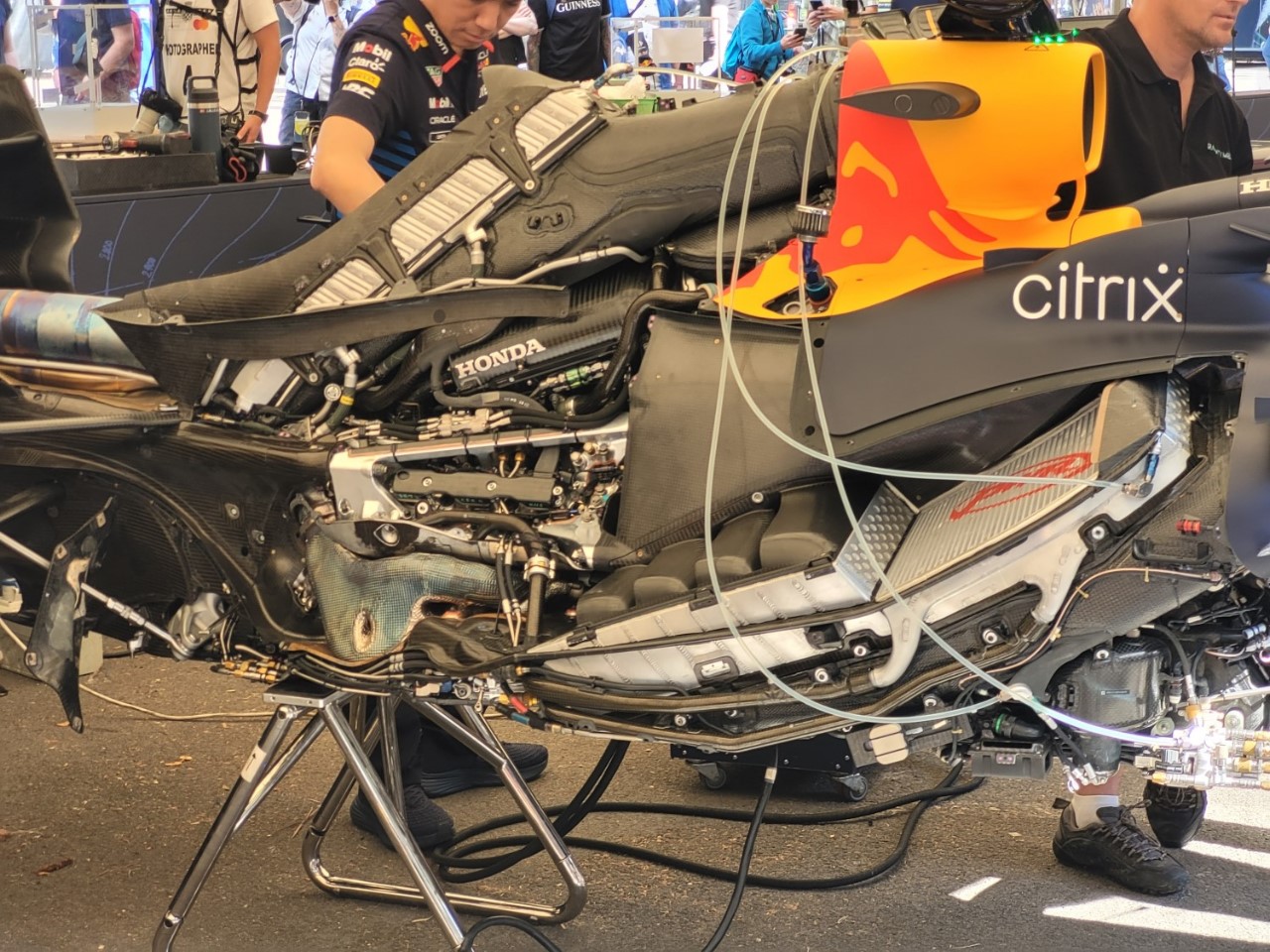
Red Bull Racing signals the state of its power-unit programme, as technical director Pierre Wache rates the in-house engine project at four or five out of ten.
The modest score underscores headroom rather than fragility, with the 2026 power-unit reset sharpening focus on efficiency, electrical deployment, and integration.

In 2026, Red Bull Powertrains, partnered with Ford, begins producing the Red Bull Ford DM01 in Milton Keynes, with Ben Hodgkinson leading the engine group.
Wache rates the in-house power unit at “four or five out of ten,” framing substantial headroom.
FIA ADUO data indicates the internal combustion engine currently delivers the grid’s highest power, turning Wache’s score into a statement of potential rather than alarm.
Wache says the programme sits roughly halfway complete, with gains expected as hardware, calibration, and energy management mature.
FIA ADUO analysis shows Red Bull’s ICE leads the grid for peak power output.
The biggest hurdle is structural: combining engine and chassis under one roof demands synchronised roadmaps across contrasting development cadences.
Power units evolve on long cycles and validation gates, while chassis groups iterate faster. Aligning tempos needs new processes, shared tools, and tighter governance.
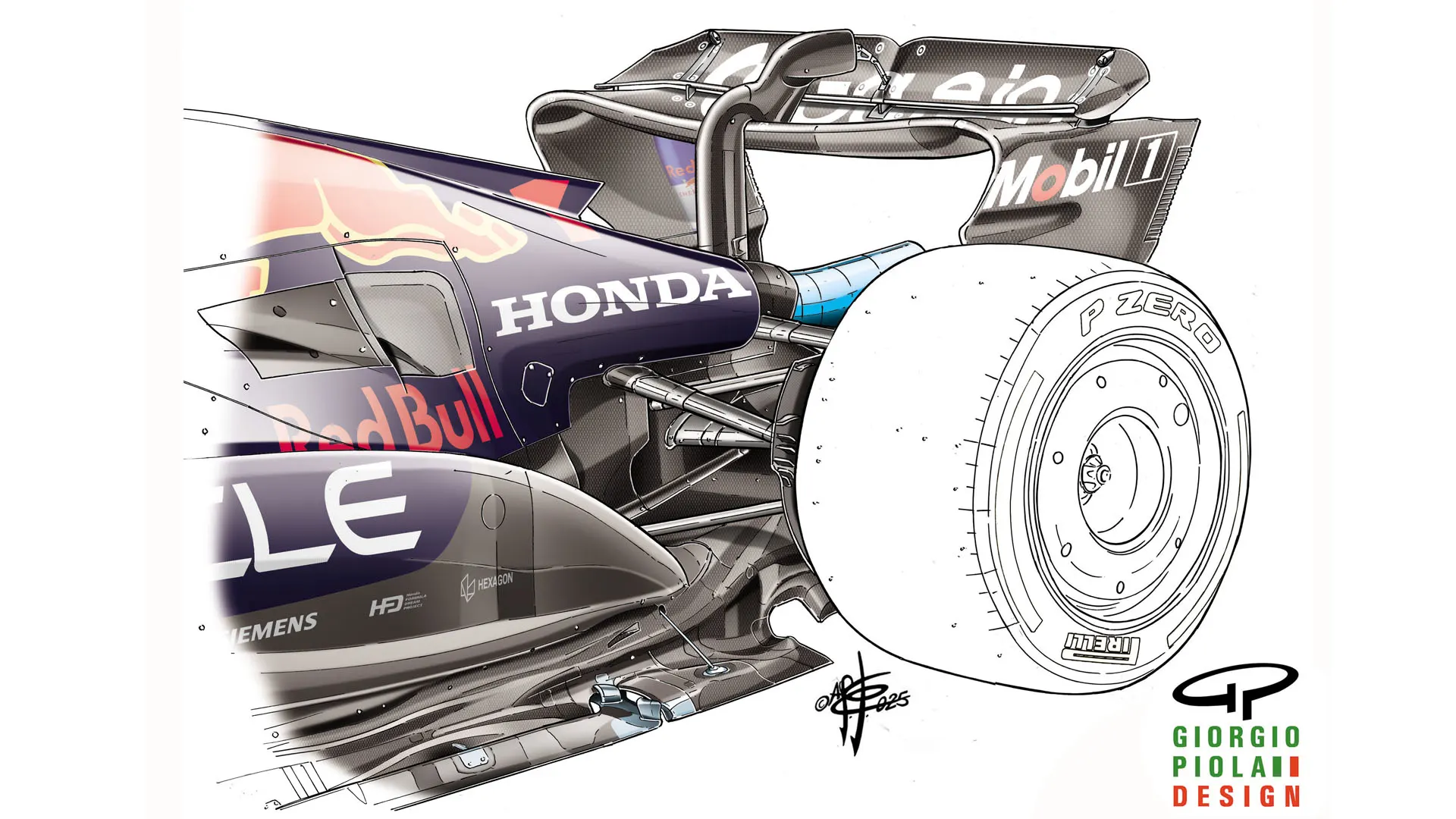
Historically, Red Bull packaged around a supplier’s finished engine. Full control now delivers packaging freedom and concept agility, but also ownership of trade-offs and risks.
Early returns are visible, with Max Verstappen exploiting strong deployment and drivability. The package sets a demanding benchmark opponents must chase.
The intent is clear: powertrain control protects competitiveness over the cycle, echoing Red Bull’s recent warning to rivals.
The project is only about halfway complete, with significant performance still to unlock.
The programme also feeds into wider debates over the team’s direction, including Horner’s questions over Red Bull’s identity.
Sustained gains will hinge on refining DM01 reliability, deployment maps, and packaging, while protecting aerodynamic progress under tighter energy and mass constraints.
Visual Summary
4.5
/10
/10
⬆️ Massive potential unlocked
Red Bull’s first in-house F1 engine fires powerfully—but they’re just getting started
Highest Power Output
Full Potential
🔧
Fully Red Bull
Designed & Built
Fully Red Bull
Designed & Built
🤝
Engine + Chassis
United
Engine + Chassis
United
Red Bull Ford DM01: Already leads the grid in power output.
Max Verstappen & team now drive full Red Bull power—and there’s much more to come.
Max Verstappen & team now drive full Red Bull power—and there’s much more to come.

Daniel Miller reports on Formula 1 Grand Prix weekends with race-day analysis, team-radio highlights, and point-standings updates. He explains power-unit upgrades, aerodynamic developments, and driver rivalries in straightforward, SEO-friendly language for a global F1 audience.