

https://shop.fervogear.com/cart


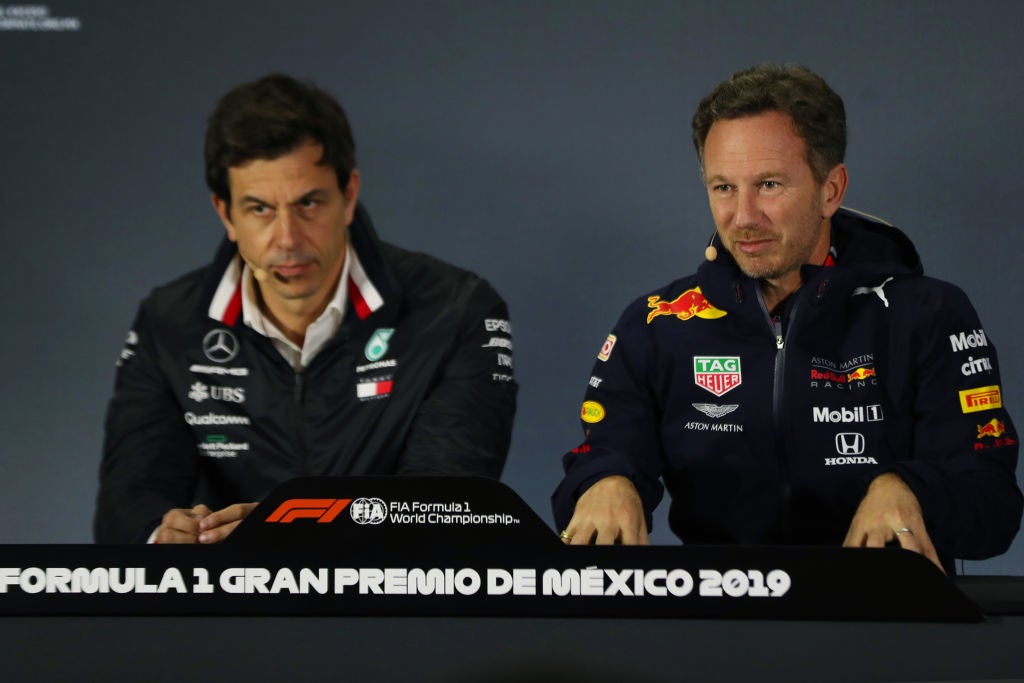
Christian Horner Reveals F1 Rivalry with Toto Wolff Was Pure Theatre

Highlights
- Horner and Wolff’s rivalry spanned 2010 to 2023 in F1 titles.
- Rivalry featured in Netflix’s Drive to Survive series, gaining popularity.
- Horner called rivalry partly theatrical, shaped by editing over time.
- Max Verstappen and Lewis Hamilton’s 2021 battle was intensely dramatic.
- Horner praised Wolff and emphasized rivalry’s importance in motivating teams.
- Horner’s departure in 2025 cooled tensions; Laurent Mekies took lead.
Christian Horner says his rivalry with Toto Wolff evolves into theatre, despite real tension, defining an F1 era. He discusses the shift and its consequences in recent comments to Autosport.
From 2010 to 2023, every drivers’ title goes to Red Bull or Mercedes, embedding the principals’ duel into the sport’s fabric and influencing decisions far beyond race strategy.

Netflix’s Drive to Survive amplifies that narrative, spotlighting flashpoints like the 2022 porpoising row under new ground-effect rules, where technical interpretations and political pressure collide on camera.
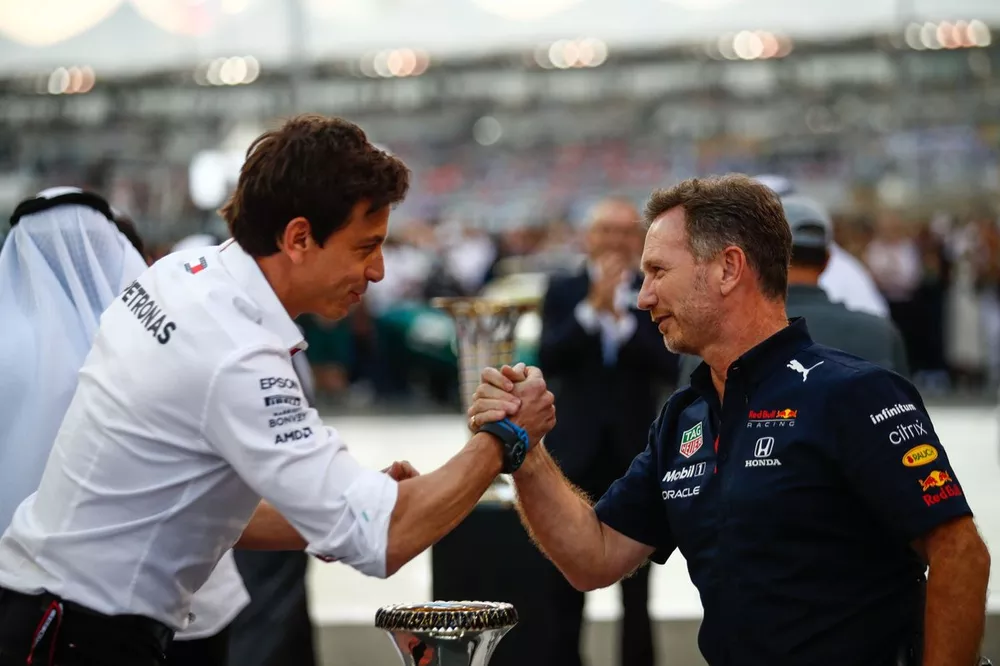
“It became more about theatre as filming progressed,” Horner says, stressing the cameras altered behaviors on all sides.
Horner often embraces the pantomime-villain role. Tensions ease after his July 2025 dismissal, with Laurent Mekies taking charge at Red Bull in a more diplomatic style.
He says early Drive to Survive seasons capture raw emotion. Later, the presence of cameras changes interactions, while selective editing shapes storylines from hours of footage.
“They take hours of footage and it’s all about how you edit something,” Horner notes of the show’s influence.
The competitive apex arrives in 2021. Max Verstappen and Lewis Hamilton collide repeatedly across a fraught campaign, before Verstappen clinches the title in Abu Dhabi as Mercedes secures constructors’ crown.
Horner calls Wolff a formidable competitor, acknowledging Mercedes’ scale and resources. He argues rivalry sharpens operations, akin to Guardiola versus Mourinho in football’s high-performance ecosystems.
From 2010–2023, every drivers’ crown is won by Red Bull or Mercedes, underscoring the principals’ influence.
He stresses rivalries must stay respectful. They motivate staff through relentless schedules, focus effort on clear targets, and help sell the spectacle without tipping into personal animosity.
Historic precedents reinforce the point. Prost versus Senna, and Hunt versus Lauda, show how confrontation can elevate interest while exposing the line between intensity and excess.
With leadership refreshed, the Horner–Wolff dynamic settles. Mekies navigates different priorities, while Red Bull and Mercedes confront new regulations, competitive cycles, and broader political pressures.
The rivalry’s legacy endures in F1’s recent history, boosting global profile and reshaping narratives. Horner’s career arc within Red Bull remains central to that story.
New management rivalries surface, including Horner’s exchanges with Zak Brown and Wolff, signposting shifting alliances as the competitive order evolves.
Visual Summary
HORNER
Red Bull
WOLFF
Mercedes
vs
2010–2023
F1 Titles:
Red Bull
🏆🏆🏆🏆🏆
vs
Mercedes
🏆🏆🏆🏆🏆🏆🏆🏆
F1 Titles:
Red Bull
🏆🏆🏆🏆🏆
vs
Mercedes
🏆🏆🏆🏆🏆🏆🏆🏆
Every drivers’ championship from 2010–2023: Red Bull Racing or Mercedes.
🔥2021‘s Explosive Showdown
Verstappen
Hamilton
Multiple collisions, a dramatic title-decider, and F1’s most controversial finale.
“At times, it became more theatre than real animosity. Rivalry sells the sport.”
— Christian Horner
Eras change, but legendary rivalries echo forever.
Red Bull vs Mercedes is now F1 history.
The curtain falls,
new drama awaits.

Daniel Miller reports on Formula 1 Grand Prix weekends with race-day analysis, team-radio highlights, and point-standings updates. He explains power-unit upgrades, aerodynamic developments, and driver rivalries in straightforward, SEO-friendly language for a global F1 audience.




