https://shop.fervogear.com/cart


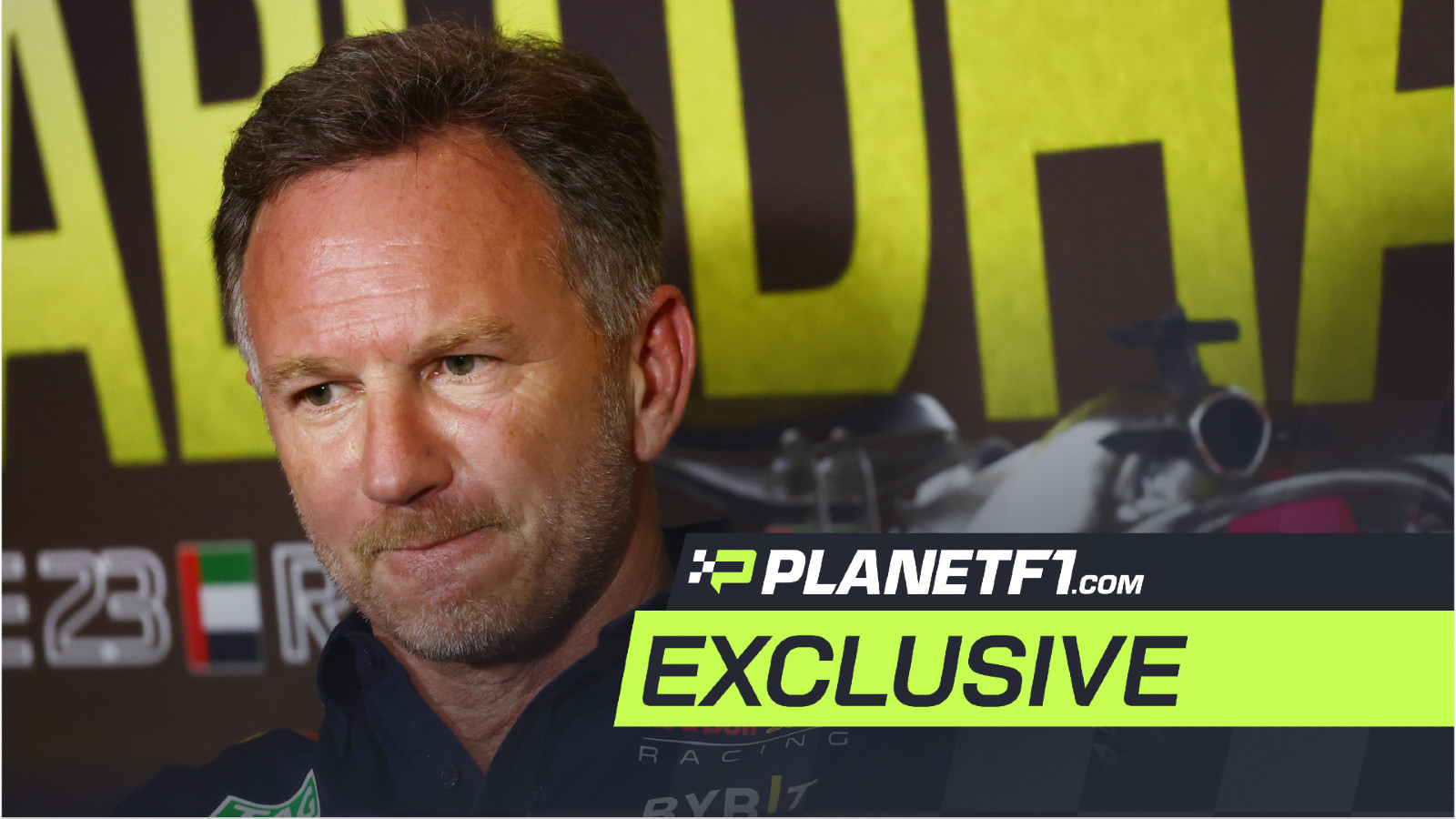
Christian Horner exposes Red Bull’s toughest and most terrifying challenge

Highlights
- Red Bull Powertrains created after Honda’s Formula 1 exit in 2021
- Christian Horner led the challenging engine project from scratch
- Ford joined as technical partner focusing on battery technology
- Powertrain headquarters named Jochen Rindt Building established at Milton Keynes
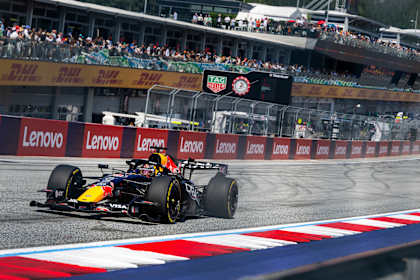
- Max Verstappen won Malaysian GP using Red Bull’s new power unit
- Red Bull continues development to maintain performance and reliability
Christian Horner calls Red Bull Powertrains the toughest task of his career, launched in February 2021 at Milton Keynes after Honda’s exit, turning Red Bull from customer to manufacturer.
He described the start as “scary as hell”, reflecting the risk of building competitive hybrid power units under strict regulations and against established rivals with decades of engine expertise.

Red Bull rejected an external supply route, prioritising technical independence and tighter chassis-power unit integration, anchored by a new engine manufacturing facility developed on its campus.
Under Horner’s leadership, the programme added Ford as technical and financial partner, contributing battery cell know‑how and electrical integration aligned with the next power unit cycle and energy recovery demands.
Talks with Porsche over a 50% stake collapsed amid governance concerns, preserving Red Bull’s control of direction, decision speed, and integration across its Milton Keynes operation.
Horner called the project “scary as hell” and the toughest task of his career.
From pistons and cylinder machining to assembly of robust engine blocks, Red Bull built capability in-house within the Jochen Rindt Building, including CNC shops, head assembly lines, and dynamometer cells.
The facilities accelerated validation cycles, improving correlation between test benches and track behaviour, allowing rapid iteration on combustion, MGU systems, and thermal management.
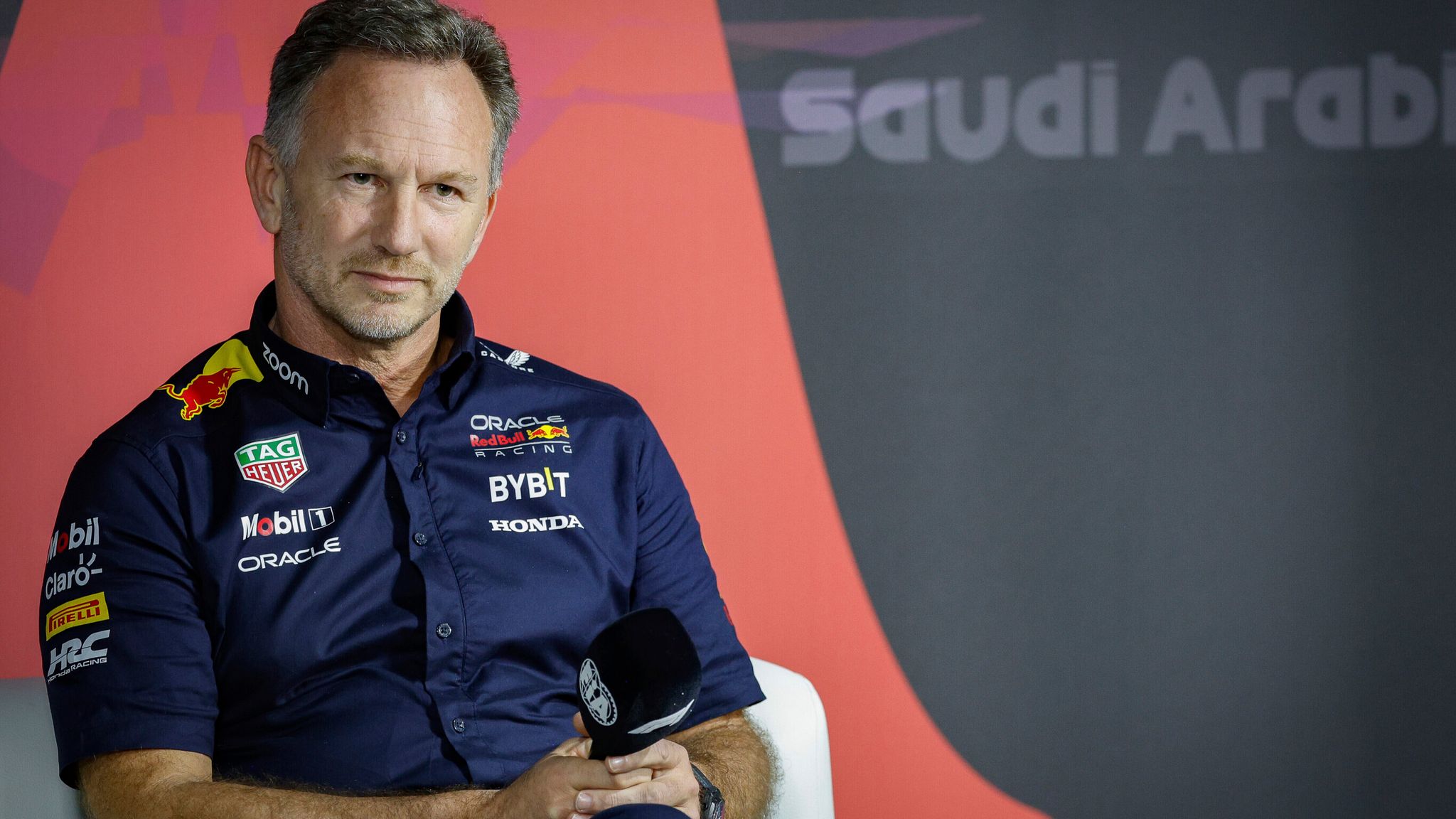
Performance arrived early. Max Verstappen won the Malaysian Grand Prix with the new power unit, a landmark achieved in its first season and, crucially, by race sixteen of its deployment.
Verstappen’s Malaysia victory came with the Red Bull power unit in only its 16th race.
The competitive upside is clear. Vertical integration reduces supply risk, sharpens packaging, and aligns power unit characteristics with aerodynamic concepts developed metres away in Milton Keynes.
The Jochen Rindt Building centralises Red Bull’s engine design, manufacturing, and testing.
The challenges persist. Balancing performance gains with reliability remains constant, particularly under resource constraints and the maturing hybrid era’s complexity.
Horner frames the achievement as collective, crediting specialist hires and cross‑department coordination. That cohesion underpins preparation for future seasons and evolving technical frameworks.
He has long navigated off‑track pressure and rivalry theatre, experience relevant to stewarding an immature engine programme through inevitable setbacks and scrutiny.
Recent operational realities, including a recent warning over consistency, reinforce the need to sustain development pace without compromising reliability.
Equally, lessons from Horner’s setbacks inform risk management, ensuring governance and technical decision paths remain clear as the project scales.
With a strong foundation and early proof points, Red Bull Powertrains now faces the more exacting test: sustaining competitiveness through regulation changes and an arms race that never pauses.
Visual Summary
😳 🔨🔧
February 2021: Red Bull jumps into engine-building—“scary as hell”
Honda exits. Red Bull Powertrains begins.
Facilities rise.
Machining, assembly, Ford joins (batteries)
Machining, assembly, Ford joins (batteries)
Engine blocks, dynamometers.
Tough regulations, all built from scratch
Tough regulations, all built from scratch
First full year. Victory in race #16
🏎️
🎇
🎆
From zero experience to
Grand Prix winner—in just 16 races!
Grand Prix winner—in just 16 races!
“The toughest thing I’ve ever done”—Christian Horner
Building engines from scratch, with no safety net, conquering the impossible.
Building engines from scratch, with no safety net, conquering the impossible.
Formula 1 rewards risk-takers.
Red Bull Powertrains: proof that bold ambition, teamwork, and relentless drive can build a new powerhouse—against all odds.
Red Bull Powertrains: proof that bold ambition, teamwork, and relentless drive can build a new powerhouse—against all odds.

Daniel Miller reports on Formula 1 Grand Prix weekends with race-day analysis, team-radio highlights, and point-standings updates. He explains power-unit upgrades, aerodynamic developments, and driver rivalries in straightforward, SEO-friendly language for a global F1 audience.