

https://shop.fervogear.com/cart


The Strange Alonso Story Behind Aston Martin’s Unexpected Struggles

Highlights
- Alonso tested Honda’s ADUO 2 turbocharger at Azerbaijan Grand Prix.
- Car showed promise but struggled with lap time loss in final sector.
- Alonso retired after 20 laps due to suspected engine speed loss.
- Honda found no engine faults despite Alonso reporting performance issues.
- MGU-K system possibly caused inconsistent power delivery in laps.
- Aston Martin faces ongoing challenges with pace and reliability in 2026.
Aston Martin-Honda’s uneven 2026 form gains a technical subplot in Baku. Fernando Alonso debuts Honda’s ADUO 2 turbo and reports fresh driveability concerns amid a stubborn results swing.
The upgrade targets lag and response. Baku stresses slow corners and traction. Aston also trimmed weight with lighter rear parts, running closer to the minimum.

The car looks sharp through the castle section. Yet the final sector bleeds time. Late‑lap fade has shadowed the B‑spec since Hungary, often regardless of circuit layout.
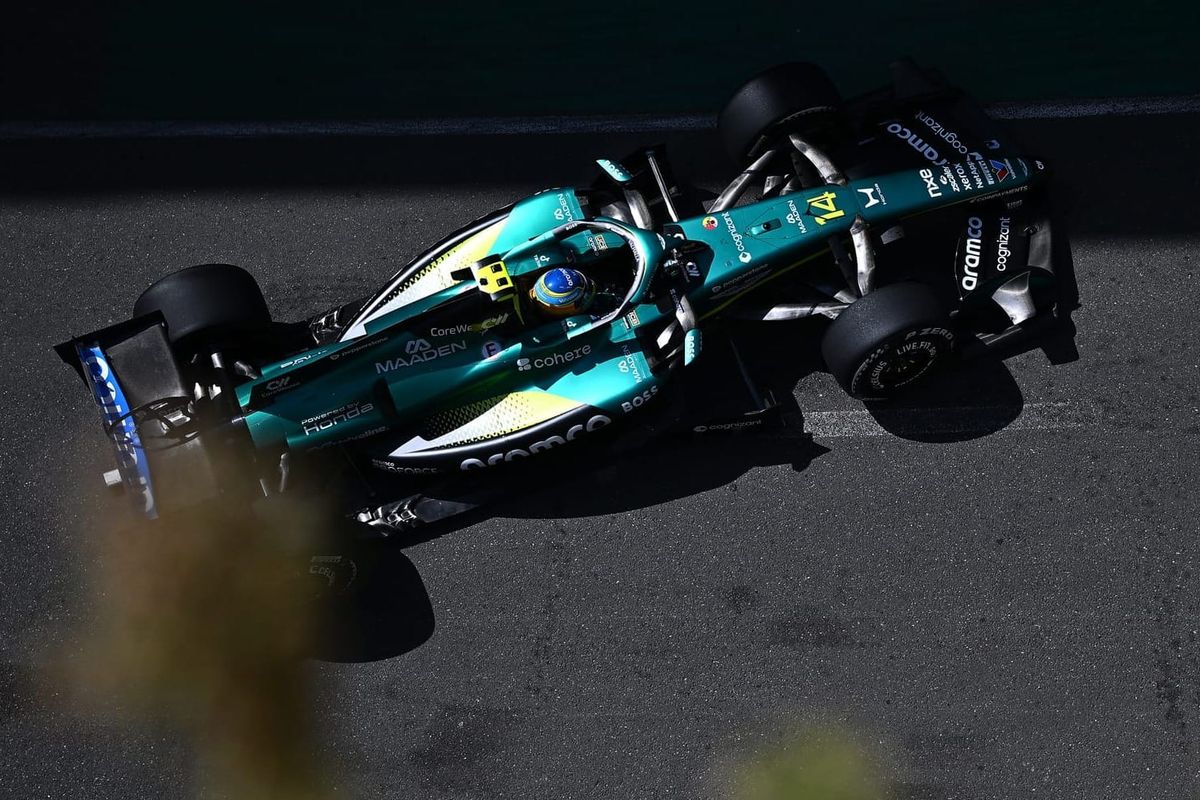
Data suggests the MGU‑K over‑compensates early for lag. Energy deployment then tails off later in the lap. That profile explains single‑lap decline despite healthy peak power.
Alonso retires after 20 laps with a reported straight‑line loss near 1.5s. Honda’s post‑race checks, led by Shintaro Orihara, reveal no mechanical fault or sensor anomaly.
Honda found no mechanical fault despite Alonso reporting a 1.5s straight-line loss in Baku.
A similar story surfaces in Singapore. Alonso suspects a failed turbocharger, but strip‑down inspections find nothing. Intermittent control or deployment mapping remains the leading hypothesis.
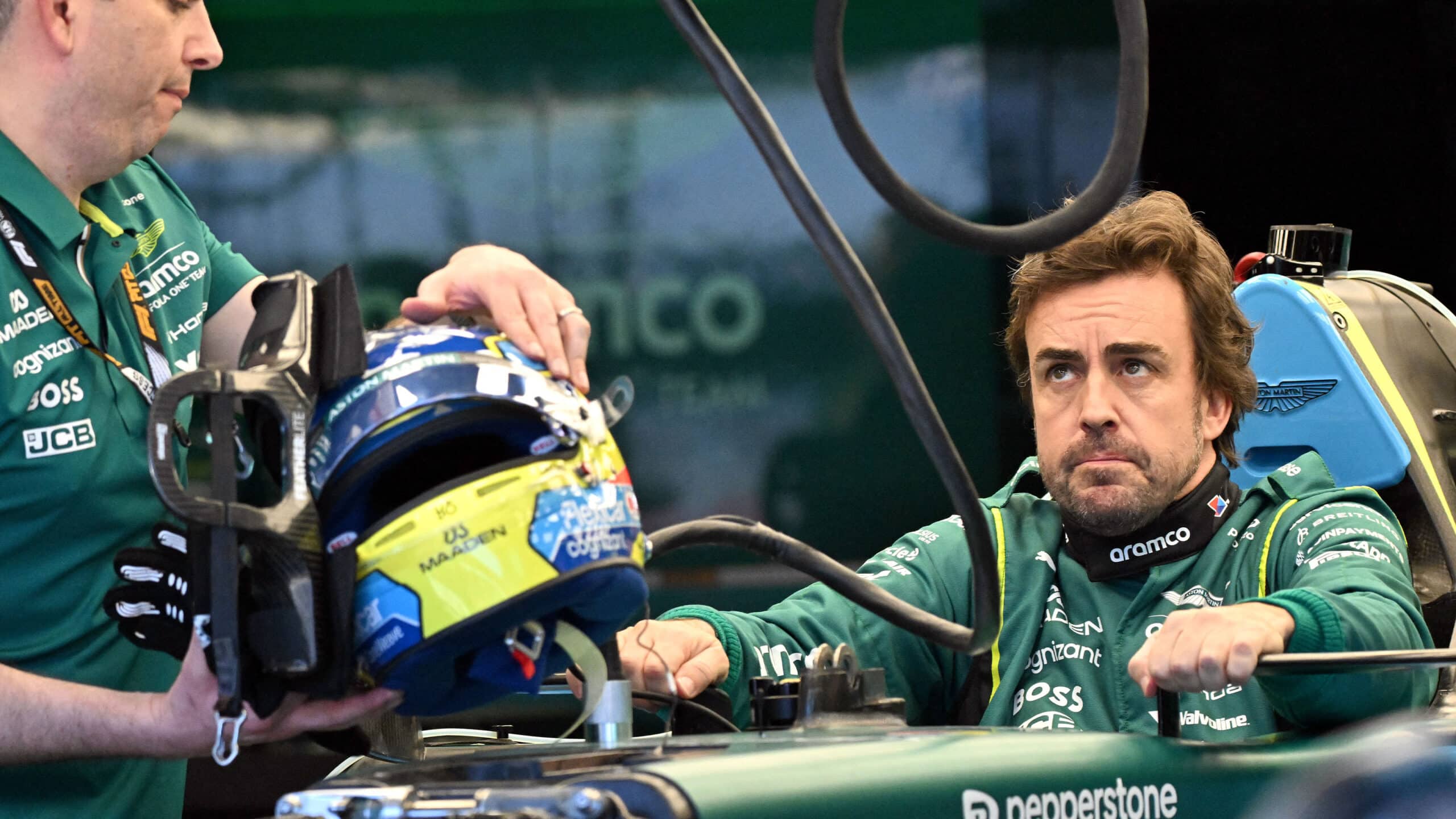
Alonso was the first to run Honda’s ADUO 2 turbo upgrade at Baku.
Honda praises Alonso’s sensitivity. Drivers sometimes feel issues before data proves them. Historical precedents, like Nick Heidfeld in 2005, support that view under transient conditions.
Radio traffic underscores Alonso’s frustration. Team principal Mike Krack notes tow effects and overtake mode can distort perception, especially in packs and variable ambient conditions. Context to this tension features in Alonso’s relationship with Aston Martin in F1.
The competitive cost is obvious as points slip away. Consistency still evades the car, as explored in our analysis of Aston Martin pole potential. Work continues on deployment maps and turbo response.
Persistent late‑lap time fade points to MGU‑K deployment management rather than outright power deficit.
Contract questions are settled, but direction still matters. Discussions around Aston Martin and Alonso’s plans for 2027 frame expectations and development cadence for team and driver.
Upcoming venues will test repeatability across braking zones and straights. Lessons from Sepang underline the need for robust correlation before reliability and pace can truly converge.
Visual Summary
?
?
⚠
Alonso vs. the Uncatchable Engine Gremlin
Performance fades each lap
+1.5s sudden speed loss
🔈“NO POWER!”
Alonso’s radio: Frustration peaks
The Data Can’t See It.
Alonso 🔍 feels a fault,
but all telemetry shows green.
Is it real? Or is the Aston haunted?
2026: Can Aston Martin-Honda solve the mystery and keep Alonso racing at the front?

Daniel Miller reports on Formula 1 Grand Prix weekends with race-day analysis, team-radio highlights, and point-standings updates. He explains power-unit upgrades, aerodynamic developments, and driver rivalries in straightforward, SEO-friendly language for a global F1 audience.