
https://shop.fervogear.com/cart


Toto Wolff’s Fierce ‘Red Mist’ Critique of F1 Rule Change Sparks Urgent Warning

Highlights
- Toto Wolff opposes sliding scale in F1 cost cap rules.
- Williams’ James Vowles proposes spending more for lower teams.
- Alpine, Aston Martin, Audi, and Cadillac support proposal.
- McLaren, Red Bull, Ferrari, Mercedes oppose sliding scale plan.
- Proposal needs six F1 Commission teams’ approval before 2027.
- Wolff warns cost cap changes risk competitiveness and talent retention.
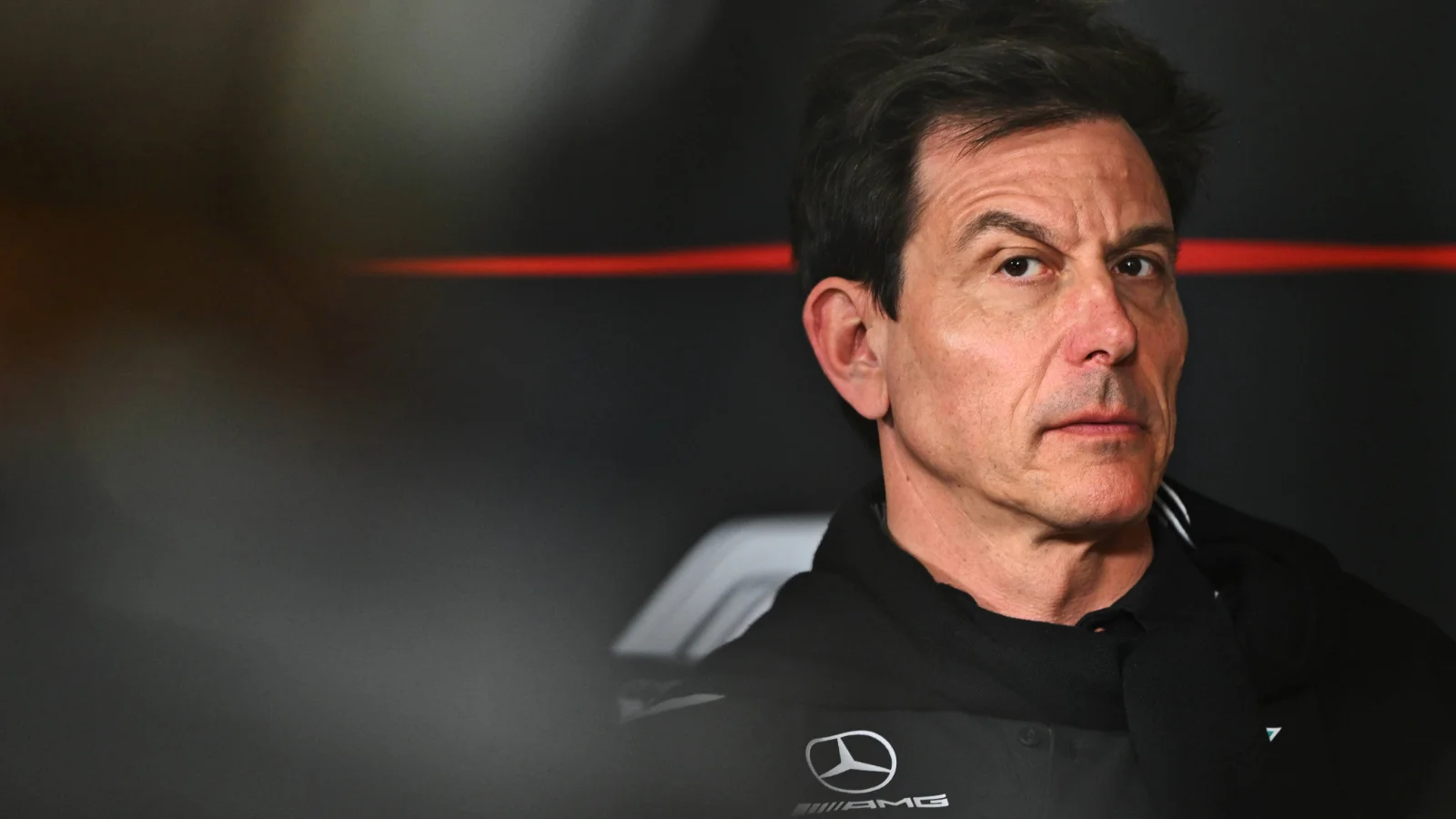
Toto Wolff opposes a sliding-scale change to Formula 1’s cost cap, a proposal championed by Williams boss James Vowles ahead of the 2027 rules cycle.
Vowles suggests lower-placed teams should spend more than front-runners under the cap, echoing F1’s aerodynamic testing restrictions designed to compress performance.

The plan requires support from at least six F1 Commission teams. Alpine, Aston Martin, Audi, and Cadillac back it, while McLaren, Red Bull, Ferrari, and Mercedes resist. Haas also indicates opposition despite Zak Brown’s openness.
Wolff labels balance-of-performance style spending as a “red mist,” arguing standings-based allowances distort sporting integrity rather than encourage sustainable competitiveness.
Wolff calls sliding-scale spending a “red mist” that risks fairness and sporting integrity.
He supports limited flexibility, such as more headroom for specialist salaries, but rejects tiers that expand operational freedom for trailing teams.
[promotion]
Wolff argues the CapEx-to-OpEx shift penalizes early heavy investors like Mercedes.
He highlights a structural issue since cost cap reforms moved emphasis from capital to operational spend. Early investors, Mercedes included, now face tighter operational margins than late builders.
Existing measures, like the aero testing handicap and power unit catch-up provisions, remain narrow and transparent. Wolff warns another tier invites complexity and political disputes.
Since 2021, major teams downsize and reorganize to meet limits, while smaller outfits previously below the cap expand staffing. The result, Wolff says, is salary compression across the grid.
He warns Formula 1 could lose rising engineers to better-paying sectors unless pay bands evolve. His views on talent retention echo prior comments on attracting and keeping top specialists.
The proposal needs six F1 Commission teams to pass before the 2027 regulations.
Wolff continues discussions with rivals, including Zak Brown and Christian Horner, but remains unconvinced a standings-led spend boost is the right lever.
Even with support from four teams, momentum appears short of approval. Vowles targets a phased rollout, potentially aligning with the 2030 technical refresh if consensus emerges.
The decision will shape resource distribution, development cadence, and hiring dynamics. Wolff’s stance reflects competitive instincts seen in his long-running Mercedes rivalries as the debate intensifies.
Visual Summary

Williams
Vowles:
“Let the underdogs spend bigger!”
“Let the underdogs spend bigger!”
🤝
Alpine
Aston Martin
Alpine
Aston Martin
Audi & Cadillac

Mercedes
Wolff:
“Don’t unbalance the field”
“Don’t unbalance the field”
🏎️
Ferrari
Red Bull
McLaren
Ferrari
Red Bull
McLaren
Haas
Resistant
Resistant
COST CAP BALANCE
😡🔥 “Red Mist!”
F1’s Tug-of-War: Spend vs Fairness
Teams split on a plan to give the underdogs a bigger budget.
Wolff warns: “Don’t break F1’s fragile balance.”
Wolff warns: “Don’t break F1’s fragile balance.”
⚖️
Sliding Cost Cap: More budget for lower-ranked teams, less for the leaders? Drama divides the grid.
Sliding Cost Cap: More budget for lower-ranked teams, less for the leaders? Drama divides the grid.
🚦
Decision Looms: Needs 6 teams for approval. Right now? Not enough support.
Decision Looms: Needs 6 teams for approval. Right now? Not enough support.
🧑🔬
Talent at Risk: Salary squeeze may push out F1’s brightest minds. Wolff warns: “Can F1 still attract the best?”
Talent at Risk: Salary squeeze may push out F1’s brightest minds. Wolff warns: “Can F1 still attract the best?”

Daniel Miller reports on Formula 1 Grand Prix weekends with race-day analysis, team-radio highlights, and point-standings updates. He explains power-unit upgrades, aerodynamic developments, and driver rivalries in straightforward, SEO-friendly language for a global F1 audience.