

https://shop.fervogear.com/cart


Christian Horner Reveals Real Liam Lawson Stance After Red Bull Cut

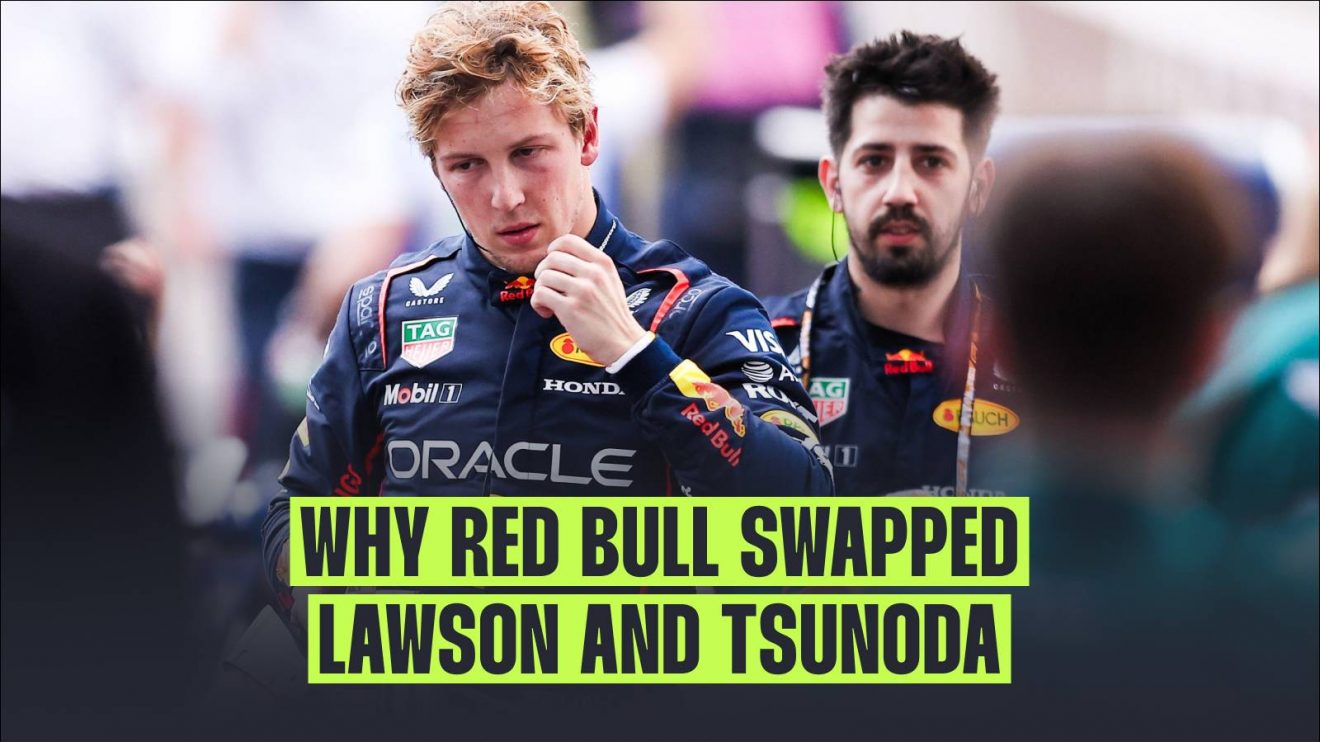
Highlights
- Red Bull promoted Liam Lawson to senior F1 team for 2025.
- Lawson had limited F1 experience, only 11 grands prix before promotion.
- Lawson struggled during 2024 debut, then returned to junior Racing Bulls.
- Horner admitted discomfort with Lawson’s early promotion influenced by Helmut Marko.
- Lawson achieved a career-best fifth place at Azerbaijan Grand Prix.
- Horner emphasized careful timing needed for managing young F1 talent.
Christian Horner assesses Red Bull’s 2025 promotion of Liam Lawson, arguing the move arrives too early and stems from internal pressure after Sergio Perez’s late‑2024 form slump.
Lawson partners Max Verstappen with only 11 grands prix behind him and no full pre‑season. His first campaign includes unfamiliar venues, notably Albert Park and Shanghai.

Horner says the step stretches Lawson’s readiness and compounds execution risk. He frames the call as a development trade‑off, with immediate needs outpacing the driver’s experience curve.
“I felt uncomfortable with the timing of Lawson’s promotion,” Horner writes in his memoir, Drive.
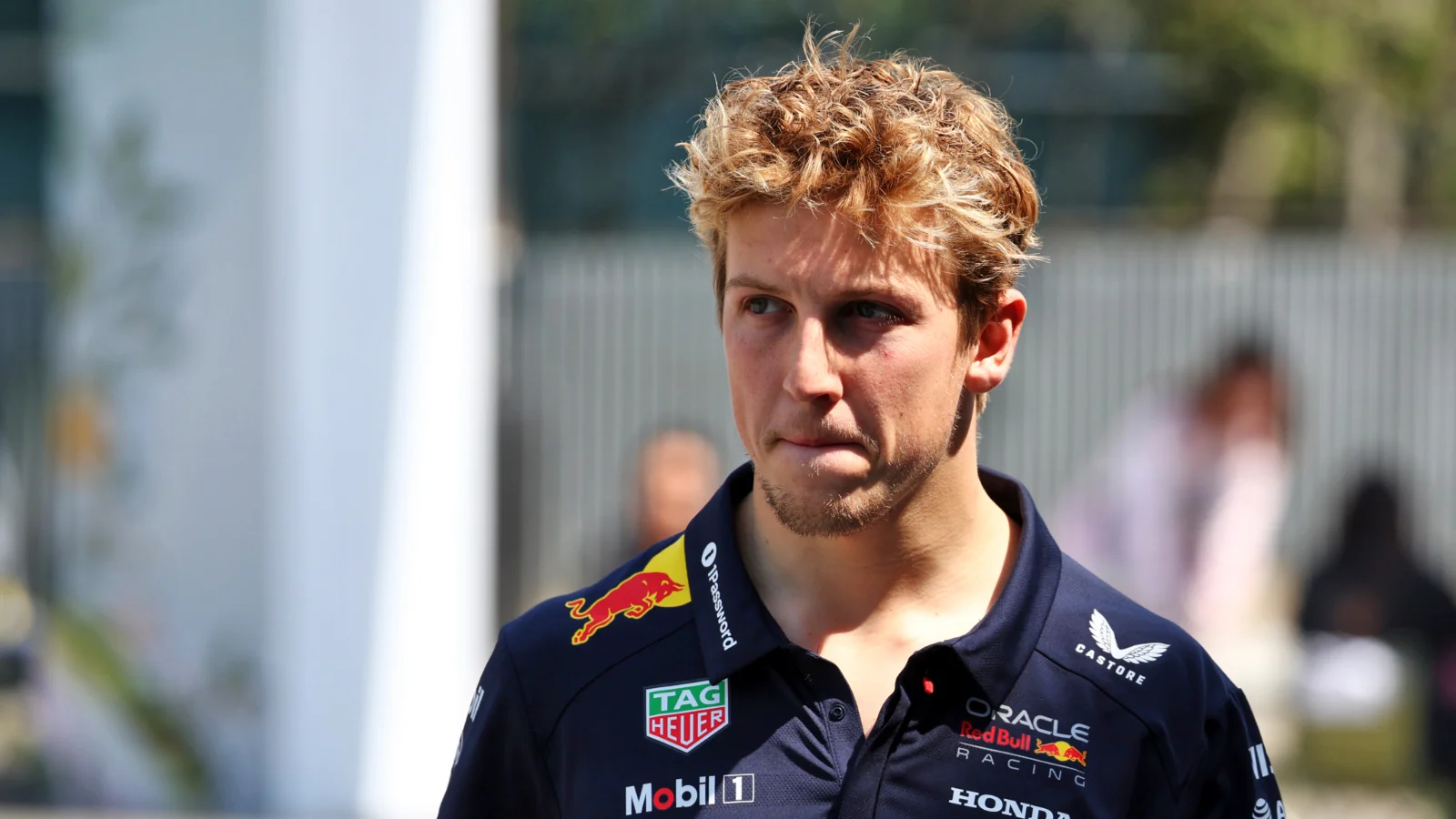
Lawson’s early races underline the learning curve. An engine issue compromises his Australian weekend, he qualifies 18th, then spins in tricky conditions with the RB21 proving demanding.
China shows progress. He starts 20th and climbs to 12th, but confidence remains fragile. Red Bull then reverses course before Suzuka, restoring Lawson to Racing Bulls and promoting Yuki Tsunoda.
Lawson had started only 11 grands prix before being paired with Verstappen.
Horner describes the reset as bruising for the driver, yet productive. Lawson rebuilds, banks mileage, and ultimately finishes 14th in the standings with a standout fifth in Azerbaijan.
The team boss attributes the initial promotion largely to advisor Helmut Marko. He says Marko told Lawson before Abu Dhabi 2024 that a 2025 seat was secured, a claim Marko denies when challenged.
Horner’s position is consistent: timing dictates outcomes for young drivers. Compressed apprenticeships risk confidence, while incremental steps convert potential into repeatable performance.
He argues Red Bull gains more by letting Lawson accumulate laps with Racing Bulls. That path builds circuit knowledge, operational fluency, and racecraft without the senior team spotlight.
Horner claims Marko informed Lawson of a 2025 Red Bull drive before Abu Dhabi 2024.
Lawson’s Azerbaijan result supports the case. The P5 finish arrives after stabilizing weekends, suggesting a rising baseline once execution and familiarity improve.
Horner’s comments also speak to leadership accountability as team principal. Resource allocation, succession planning, and pressure management shape the yield from academy talent.
The episode prompts broader debate on promotion cadence. Red Bull’s choice highlights the balance between short‑term points and long‑term driver development across a congested calendar.
As 2026 approaches, lessons from Lawson’s experience may inform future calls. Measured progression, not acceleration, appears the principle Horner wants embedded into Red Bull’s talent pipeline.
Visual Summary
⬇️
⬆️
Lawson’s Meteoric Promotion 🚀 — a Tough Lesson in Timing
Only 11 races before promotion
Confidence “smashed” 😔
5th place in Azerbaijan 🏁
Demoted mid-season
Bounces back at Racing Bulls
“Looking back, pushing a young driver up sometimes does more harm than good. Liam’s confidence was smashed, but his fightback proved his resilience.”
— Christian Horner, Drive, 2026
— Christian Horner, Drive, 2026
🚦 Talent management isn’t a race — timing is everything in F1.
Daniel Miller reports on Formula 1 Grand Prix weekends with race-day analysis, team-radio highlights, and point-standings updates. He explains power-unit upgrades, aerodynamic developments, and driver rivalries in straightforward, SEO-friendly language for a global F1 audience.