
https://shop.fervogear.com/cart


Christian Horner Reveals Shocking Offer to Lead Top F1 Team

Highlights
- Christian Horner was offered Mercedes team principal role in 2012.
- Niki Lauda approached Horner with a lucrative offer at Christmas 2012.
- Horner declined, choosing loyalty to Red Bull and Dietrich Mateschitz.
- Toto Wolff became Mercedes team principal after Horner’s refusal in 2013.
- Wolff led Mercedes to three consecutive championship doubles starting 2014.
- Horner and Wolff’s decisions shaped modern Formula 1 team dynamics.
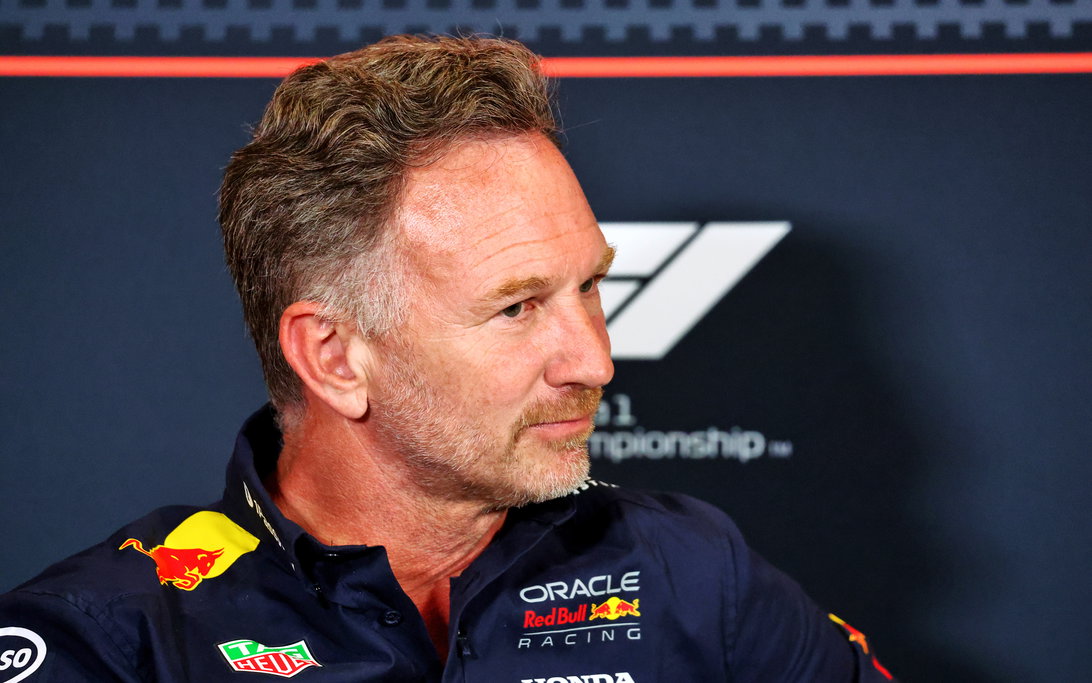
Christian Horner says Mercedes offered him the team principal job in late 2012, after Niki Lauda approached him around Christmas. He declined, prioritising loyalty to Red Bull.
The disclosure appears in Horner’s memoir, Drive. Lauda, then a Mercedes non-executive director, visited Horner’s home and proposed a salary beyond Red Bull’s structure.

It followed earlier talks with Lewis Hamilton, who was considering leaving McLaren. Lauda outlined a broader package to install Horner for Mercedes’ next phase.
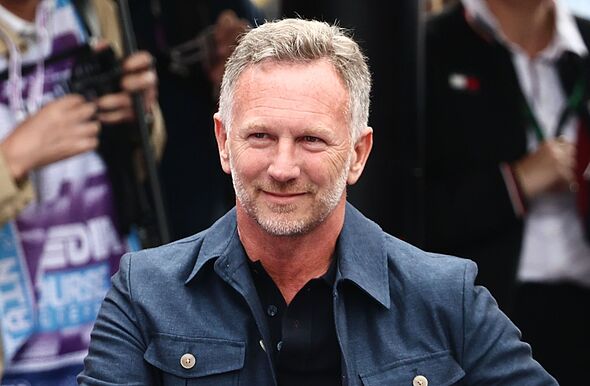
Horner rejected Lauda’s 2012 approach despite a package exceeding Red Bull’s pay scale.
Context matters. Red Bull had just completed a third consecutive drivers’ and constructors’ double with Sebastian Vettel. A fourth straight double followed in 2013.
Horner’s refusal opened the door for Toto Wolff. Mercedes appointed Wolff in 2013 alongside Ross Brawn, beginning a restructuring that blended governance, sporting operations, and commercial direction.
For 2014, new V6 turbo‑hybrid regulations reset priorities. Wolff and Paddy Lowe split duties, marrying political management with technical oversight to accelerate engine-chassis integration and programme accountability.
The outcome was emphatic. Mercedes delivered three consecutive championship doubles from 2014 to 2016, establishing the hybrid-era benchmark for structures, decision speed, and reliability.
Mercedes’ hybrid-era surge began under Wolff and Lowe, exploiting the 2014 rules reset.
Paddy Lowe departed before 2017, leaving Wolff as sole team principal. Consolidated authority clarified accountability as personnel structures and power unit departments matured.
Horner’s choice steadied Red Bull’s trajectory. Continuity around Adrian Newey’s concepts and operations preserved competitiveness, underpinning later recoveries and sustained performance windows.
Those diverging pathways still shape the field as Formula 1 approaches the 2026 season. Mercedes’ push to be potential 2026 champions remains central to its long-term planning.
Horner’s decision influenced Red Bull’s continuity while steering Mercedes toward a different leadership model.
Under the budget cap, Horner frames resource allocation as an ongoing budget rethink and identifies Red Bull’s biggest challenge as sustaining innovation without compromising execution.
Visual Summary
LOYALTY
WHAT IF?
HORNER
One Offer. Two Dynasties. Horner says yes.
In 2012, Horner turned down Mercedes. The Red Bull and Mercedes empires were reshaped — and so was all of Formula 1.
“I felt such loyalty to Red Bull – I couldn’t do it.”
Niki Lauda: The offer of a lifetime
3️⃣+1️⃣ Red Bull title doubles before/after offer
8️⃣ Mercedes title doubles under Wolff
2012
Lauda offers
Horner Mercedes
Horner Mercedes
2013
Wolff joins
2014
Mercedes dominates
2026
Next era?

Daniel Miller reports on Formula 1 Grand Prix weekends with race-day analysis, team-radio highlights, and point-standings updates. He explains power-unit upgrades, aerodynamic developments, and driver rivalries in straightforward, SEO-friendly language for a global F1 audience.