

https://shop.fervogear.com/cart


How F1 Drivers and Teams Master the Circuit of The Americas

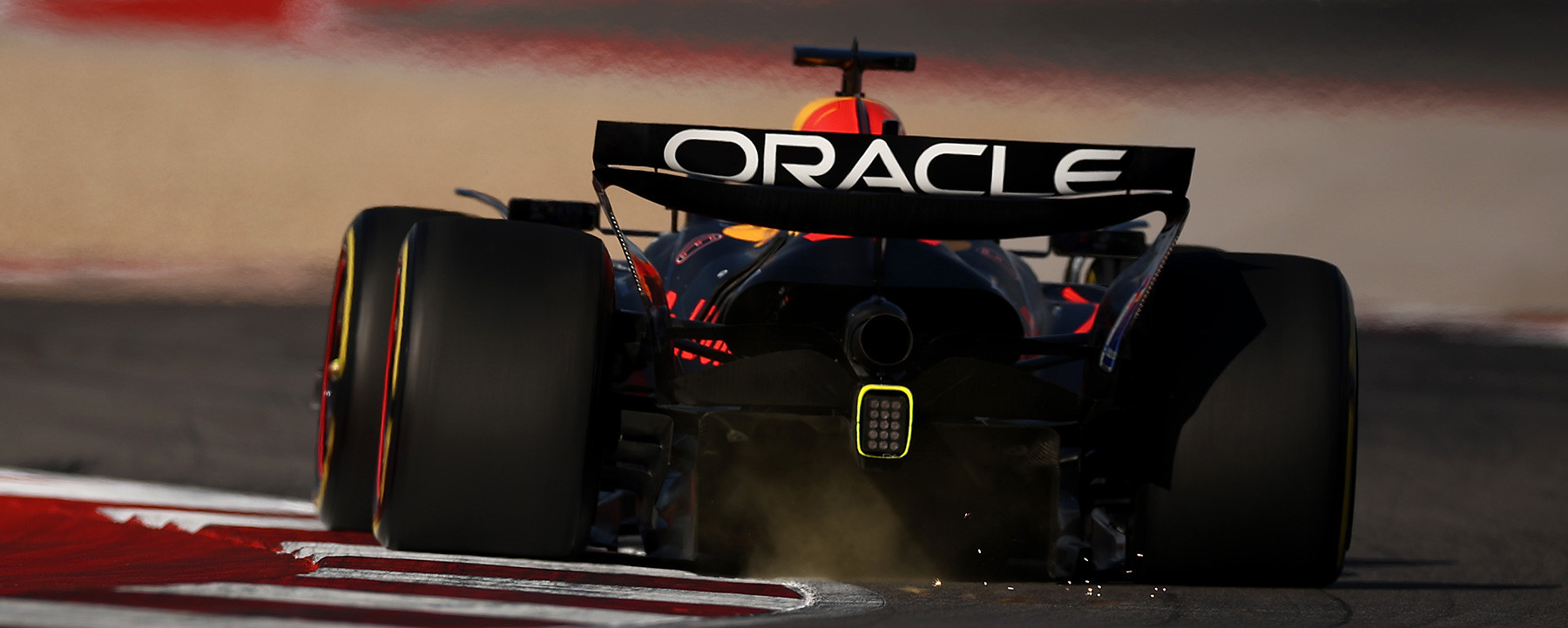
Highlights
- COTA’s mix of corners challenges car setup and tire management.
- Qualifying requires precise tire temperature control to avoid grip loss.
- Race strategy usually involves one to two pit stops with varied tires.
- Turn 19 is crucial for braking, overtaking, and strategic battles.
- Historic races at COTA featured weather challenges and decisive strategies.
The United States Grand Prix at the Circuit of The Americas again tests teams, drivers, and strategists. The venue draws vast crowds and scrutiny, but the challenge is technical and unforgiving.
COTA blends rapid direction changes with slow, traction‑limited corners. The bumps complicate set-up, forcing a compromise between aerodynamic efficiency, mechanical compliance, and ride‑height constraints.

Qualifying turns on a narrow tire temperature window. Push too hard early and rear grip fades by the final sector. The track rubbers in quickly, so timing and prep laps matter.
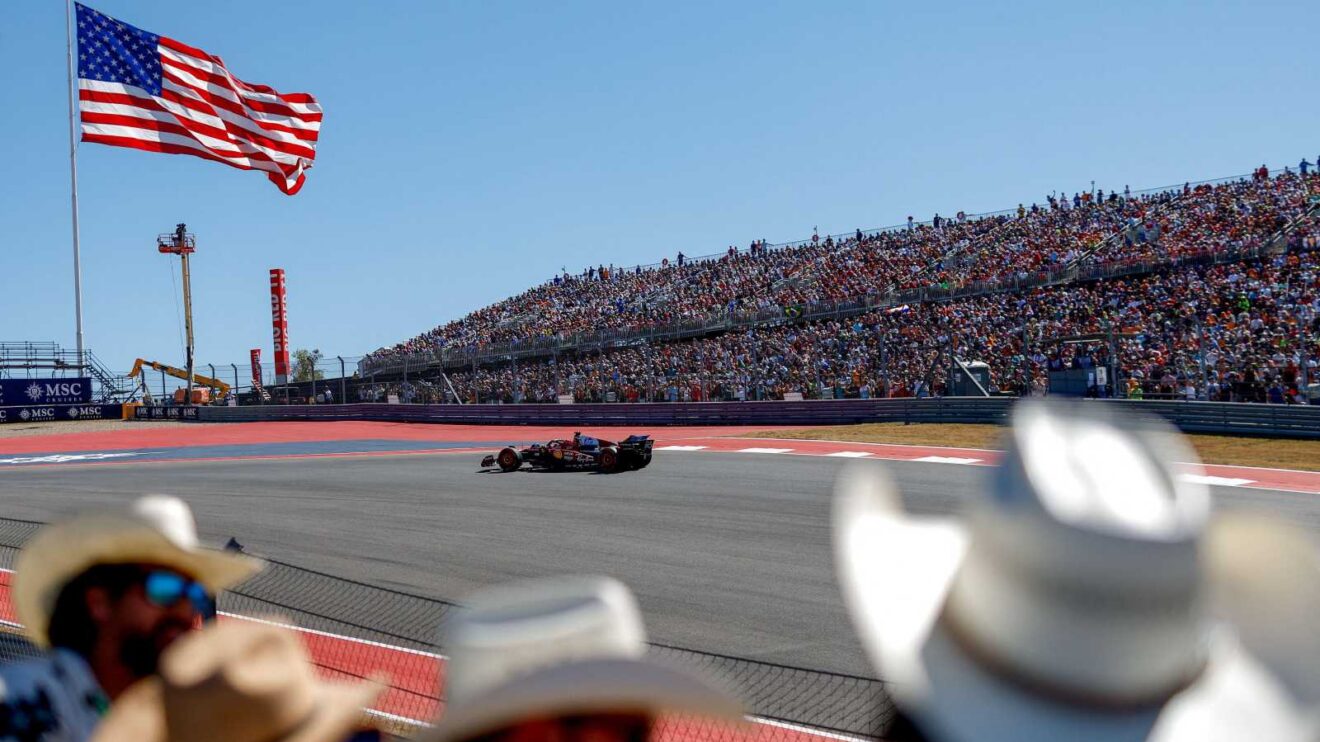
As Xavi Marcos Padros notes, the lap demands sector‑by‑sector compromise. Some teams bias the fast Esses. Others protect low‑speed rotation and traction in the stadium section.
The rough surface drives damper and stiffness choices. Teams must maintain compliance for bumps while safeguarding plank wear and post‑race legality checks. Simulator baselines give way to Friday tuning.
Qualifying at COTA hinges on hitting a very brief tire temperature peak without overcooking the rubber early in the lap.
Driver preference shapes the final direction. One car may carry more front end for rotation; the other may prioritise stability over the bumps. Parc fermé locks in those trade‑offs early.
Out‑lap execution is critical. Overheating the left‑side tires through the long right‑handers ruins the final sector. Teams trial prep protocols in practice to balance warm‑up against longevity.
Strategy typically sits between one and two stops. Medium and hard compounds feature most. Hot conditions push wear, but safety cars and track evolution can open alternative windows.
Pirelli returns to a more traditional range this year, so temperature and degradation trends will likely dictate outcomes. Expect plans to flex with the weather picture across the weekend.
Reserve driver Colton Herta joins FP1 and faces the usual COTA dilemma. He must chase peak lap time while keeping the car compliant over the bumps. His IndyCar wins help, but F1 demands differ.
COTA rewards drivers who adapt quickly to wind shifts, bumps, and evolving grip, rather than chasing a perfect but fragile set-up.
Turn 19 remains pivotal. It is fast, punishes hesitation, and invites track‑limit breaches when tires fade. With DRS detection nearby, following closely here can unlock vital passes down the straight.
History underlines the variability. In 2015, hurricane‑driven rain disrupted running before Lewis Hamilton won to clinch the title. In 2021, Max Verstappen’s undercut held off Hamilton in a strategic duel.
Run plans in practice reflect tight tire allocations. Teams limit mileage on key compounds to preserve race sets, while still mapping stint lengths, warm‑up, and deg. Execution often trumps raw pace.
Expect one to two stops, with pit windows shaped by temperature, traffic, and Pirelli’s range rather than a fixed lap target.
The margin at COTA usually comes from detail. How teams balance stiffness, ride height, and front‑rear grip spread decides qualifying peaks and race life. The best adapt as conditions swing.
Visual Summary
💨
Fast Corners
🛞
Tire Grip
🏎️
COTA: The Art of Balance. Speed vs. Grip—Every lap, teams walk a tightrope between setup extremes.
⚫️
🟡
🔴
Pitstop Strategy: 1-stop 🔁 2-stop?
Tire choices & weather flip the script every time
⚠️
Setup
Tire Wear
Turn 19
Where bravery meets precision—
track limits & overtakes are decided here
Where bravery meets precision—
track limits & overtakes are decided here
🌧️
2015—Hamilton in the Storm
🔥🏁
2021—Verstappen vs Hamilton
Every decision at COTA is a calculated risk.
Adapt fastest, risk boldest: win America’s tightrope.
Adapt fastest, risk boldest: win America’s tightrope.
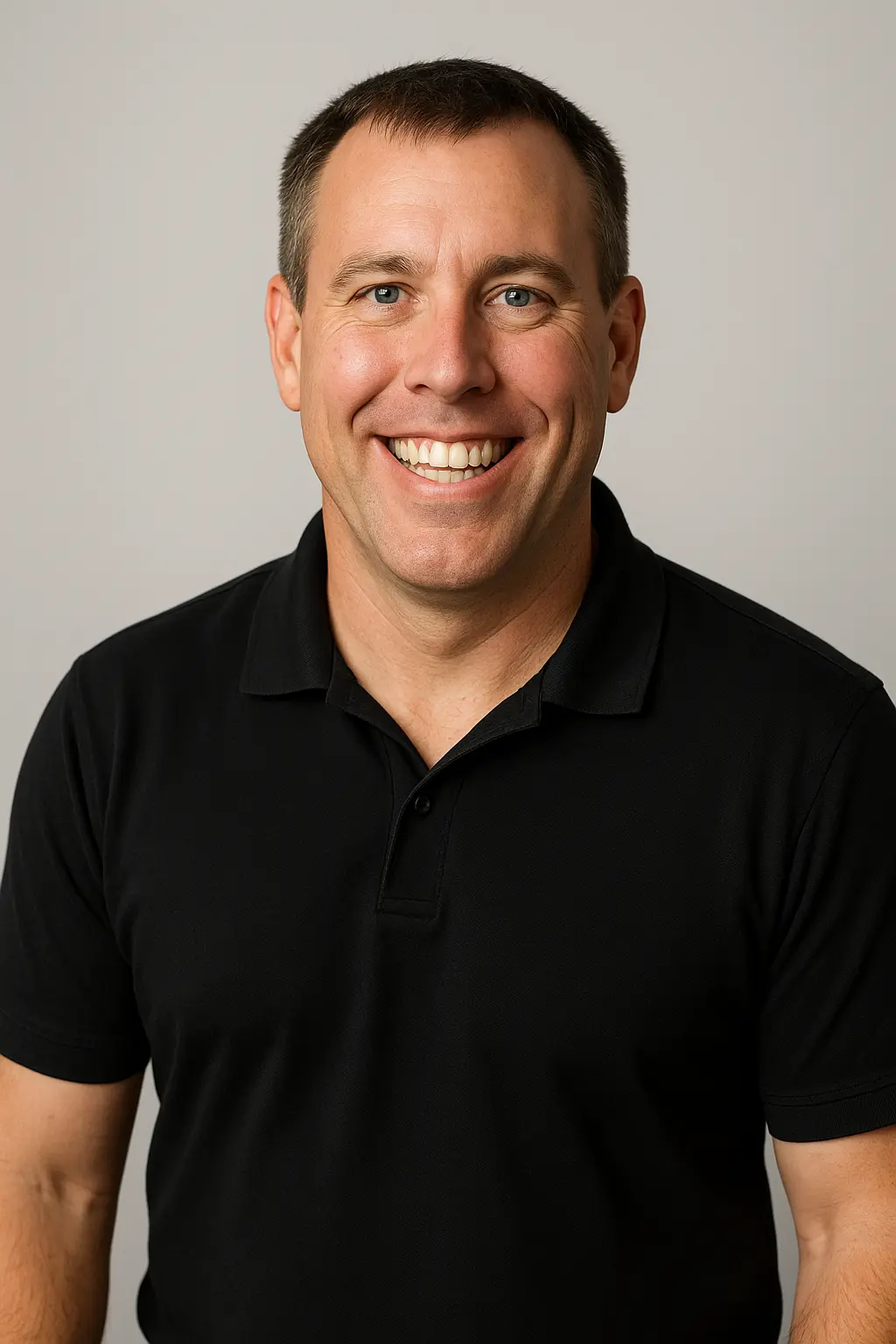
Daniel Miller reports on Formula 1 Grand Prix weekends with race-day analysis, team-radio highlights, and point-standings updates. He explains power-unit upgrades, aerodynamic developments, and driver rivalries in straightforward, SEO-friendly language for a global F1 audience.