

https://shop.fervogear.com/cart


Mercedes’ Major Worry Sparks Critical F1 Championship Debate

Highlights
- Mercedes won first six races, leading 2026 F1 championships.
- Rivals Ferrari, McLaren, Red Bull have closed performance gap.
- Recent Mercedes upgrades have not improved car performance.
- US Grand Prix’s traditional weekend offers Mercedes development chance.
- Mercedes leads championship by 134 points with five races left.
- Focus shifts to 2027 car development for future competitiveness.
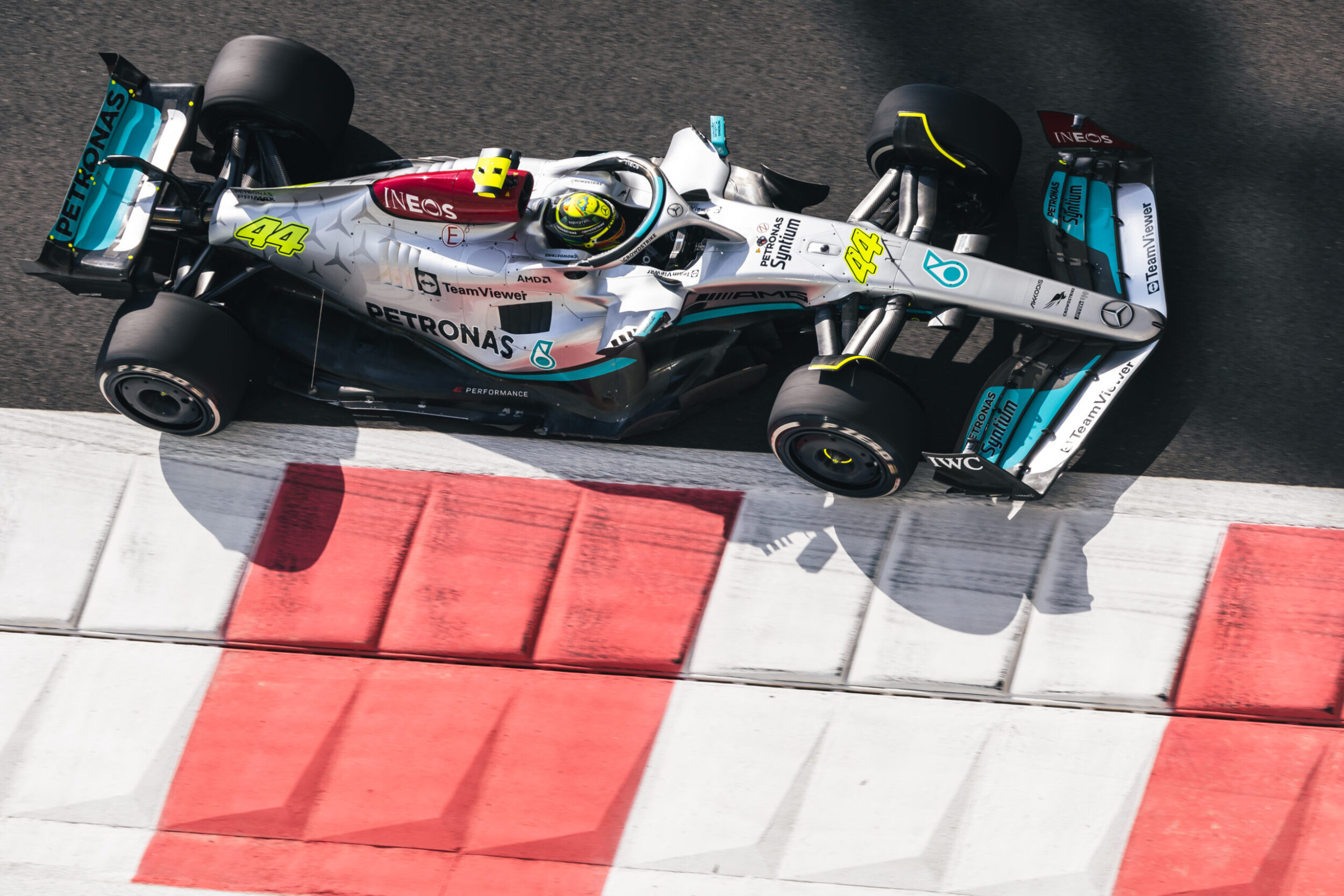
Mercedes leads both 2026 Formula 1 championships, yet its form has faded. Jolyon Palmer warns the team risks 2027 competitiveness as Ferrari, McLaren, and Red Bull close the gap.
New regulations initially suited Mercedes, and George Russell with rookie Kimi Antonelli converted that advantage into six consecutive wins to open the season.

After 17 rounds, Mercedes counts 11 victories and a 134-point constructors’ lead, underlined by recent coverage of its constructors’ title prospects.
Mid-season upgrades have failed to unlock lap time. Ferrari, McLaren, and Red Bull have trimmed the deficit and now challenge Mercedes regularly.
Mercedes won the first six races but recent upgrades have failed to add performance.
Speaking on F1 Nation, Palmer frames Austin’s traditional weekend as vital diagnostic time. Three practice sessions should improve correlation and accelerate setup learning for drivers and engineers.
Palmer: three practice sessions in Austin are critical diagnostic time for Mercedes.
He describes Mercedes’ in-season slide as a major concern, echoing scrutiny of the team’s ongoing fall in form and the risk of being overhauled.
With titles effectively safe, emphasis must shift to extracting understanding from the W17 and validating development paths that credibly translate into 2027 performance.
A 134-point lead protects 2026 titles, but 2027 development now dictates competitiveness.
Strategic direction now matters most: aero platform, tyre management, and power‑unit integration under current rules. Recent analysis of Mercedes’ new F1 strategy explores those trade-offs.
Operational sharpness remains relevant. Pit-stop execution and run-plan discipline influence learning rates, as highlighted by discussion of Mercedes’ live pit stop gap against rivals.
Calendar uncertainty around Qatar and Abu Dhabi limits opportunities, but Austin’s mileage should aid correlation if new parts deliver and setup windows are properly understood.
Even without further wins, converting 2026 lessons into a robust 2027 architecture is essential to stop Ferrari, McLaren, and Red Bull overturning Mercedes’ competitive order.
Visual Summary
Mercedes: Still on Top, But Cracks Are Showing
11 wins but rivals are coming fast.
Will Mercedes hold on, or is their next era in danger?
Will Mercedes hold on, or is their next era in danger?
Mercedes
11🏆
11🏆
Ferrari
2
2
McLaren
2
2
Red Bull
2
2
2026 After 17 Rounds – Mercedes leads by 134 points
Momentum slipping – rivals close in
What’s next:
Mercedes must rethink for 2027 🔄
“Big concern” if lessons aren’t learned

Daniel Miller reports on Formula 1 Grand Prix weekends with race-day analysis, team-radio highlights, and point-standings updates. He explains power-unit upgrades, aerodynamic developments, and driver rivalries in straightforward, SEO-friendly language for a global F1 audience.