

https://shop.fervogear.com/cart


George Russell Fires Back at Christian Horner’s Simulator Claims

Highlights
- Christian Horner claimed Russell paid to use Red Bull’s simulator early on
- Horner said simulator manager praised Russell, Norris, and Piastri’s talent
- Russell clarified 2013 simulators were rare and used for race preparation
- Russell did not address Red Bull’s decision not to sign him
- United States Grand Prix runs October 23-25, starting penultimate triple-header
- Russell currently second in 2026 Formula 1 drivers’ championship standings
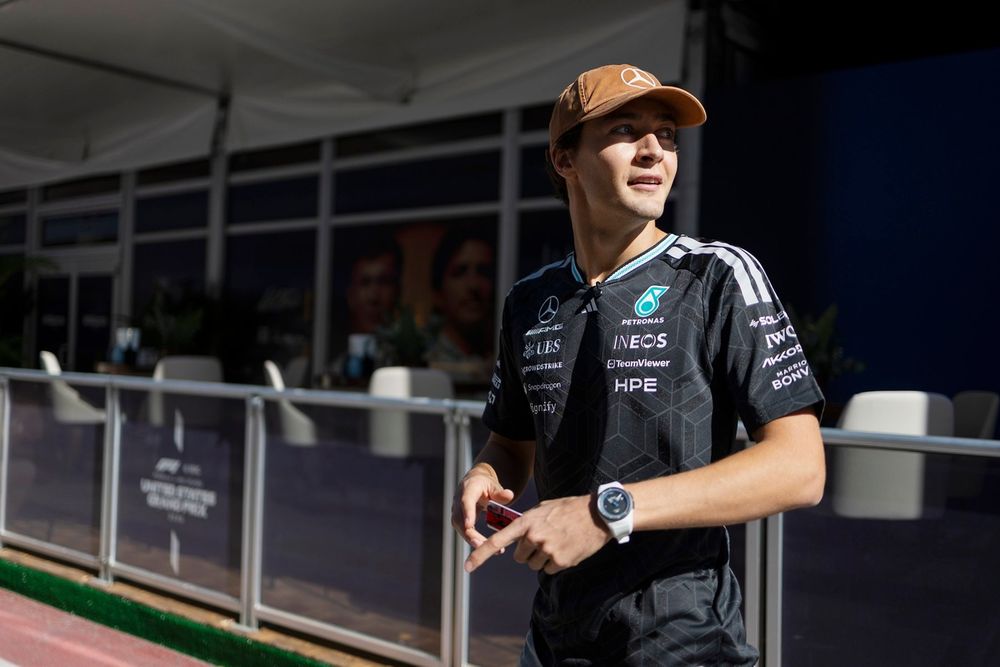
George Russell addresses Christian Horner’s claim that he paid to use Red Bull’s simulator during his junior career, speaking ahead of this week’s United States Grand Prix at Austin.
Horner recounted on the High Performance podcast that Russell, Lando Norris, and Oscar Piastri booked paid sessions on Red Bull’s simulator during their formative years.

He said Red Bull’s simulator manager rated the trio above some programme juniors, yet Helmut Marko declined to pursue them at the time.
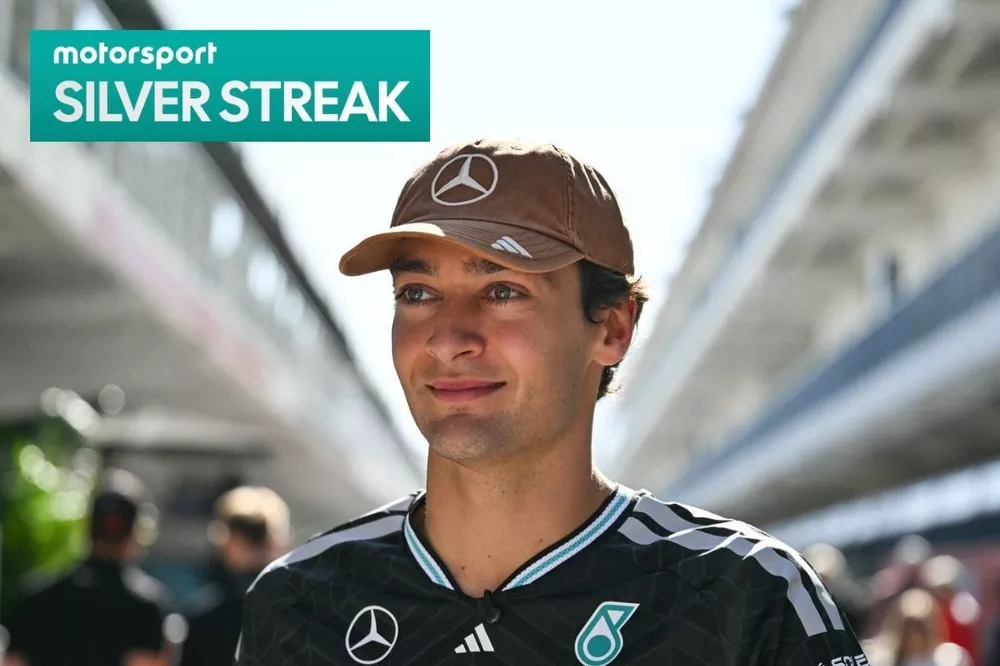
Horner says Russell, Norris, and Piastri paid for simulator time and impressed Red Bull’s own staff.
Russell confirms the sessions occurred but stresses that in 2013 simulators were scarce for junior drivers and used primarily for race and test preparation.
He describes running a Formula Renault configuration and frames the work as practical preparation, not an audition. He declines to comment on Red Bull’s decision not to sign him.
Russell: the 2013 simulator work was preparation-focused, not a talent showcase.
The episode underlines the varied routes to F1. While some drivers progress via structured backing, others operate outside official pipelines like the Red Bull junior programme to gain seat time and develop procedures.
Horner’s account also highlights internal dynamics around talent identification at Red Bull, with his advocacy countered by Marko’s stance, set against scrutiny of Horner’s leadership backdrop in recent seasons.
The timeline matters for Russell’s present objectives. Austin’s event runs October 23–25 and opens the penultimate triple‑header, with Russell holding second in the 2026 standings.
United States GP runs October 23–25, beginning the season’s penultimate triple‑header.
Modern F1 demands heavy simulator reliance, especially for correlation and procedures. That aligns with Mercedes’ operational focus and Russell’s approach to sprint weekends, where preparation efficiency can swing outcomes.
Ultimately, Russell reframes the story as routine preparation rather than a backdoor trial. With COTA imminent, the emphasis shifts from historical process to execution in a tight title fight.
Visual Summary
Daniel Miller reports on Formula 1 Grand Prix weekends with race-day analysis, team-radio highlights, and point-standings updates. He explains power-unit upgrades, aerodynamic developments, and driver rivalries in straightforward, SEO-friendly language for a global F1 audience.