
https://shop.fervogear.com/cart


F1 Gears Up for Complaints After ‘Always Fun’ Reason Revealed


Highlights
- COTA features shifting bumps that change every year, challenging drivers.
- Max Verstappen highlights the physical demand caused by uneven track surfaces.
- Turn 1 and the hairpin near Turn 12 offer prime overtaking opportunities.
- Ferrari benefits from mechanical grip on slower corners at COTA.
- 2026 United States GP scheduled for October 25 at COTA.
- COTA praised for blending technical sections with defined passing zones.
Circuit of the Americas remains a marquee Formula 1 venue because it tests everything. Austin’s shifting bumps reshape car performance, punish drivers physically, and dictate strategy from first practice to the chequered flag.
As F1 Nation’s Alex Jacques notes, the bumps change yearly, eroding historical references and forcing rapid adaptation. That volatility often triggers early-weekend complaints as teams rebuild baselines through practice.

Max Verstappen underlines the toll. He highlights how the uneven asphalt loads the body and unsettles the car, pushing ride control, floor protection, and suspension compliance to the foreground of setup choices.
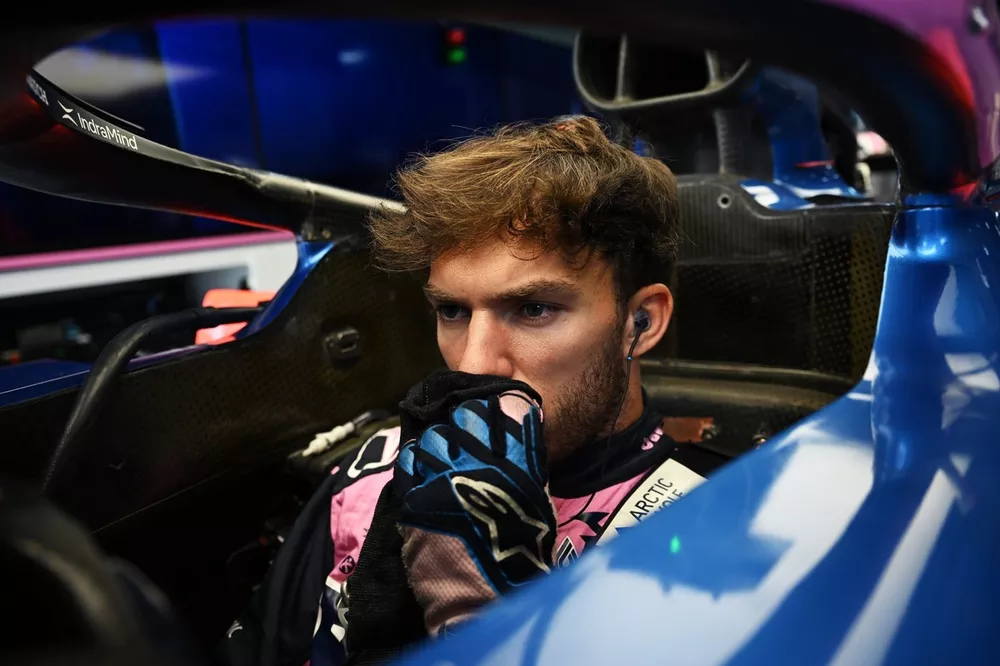
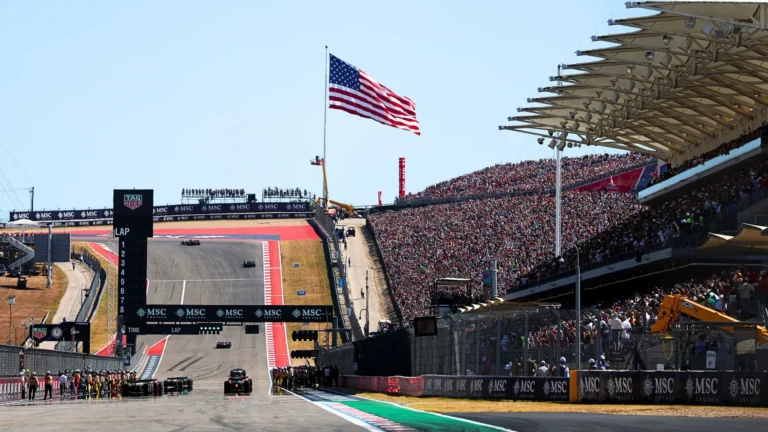
The layout still encourages racing. The uphill Turn 1 hairpin invites bold moves under braking and rewards traction on exit, setting up the rhythm of high-speed direction changes that follow.
Shifting bumps compress setup windows and can render Friday data deceptive by Saturday.
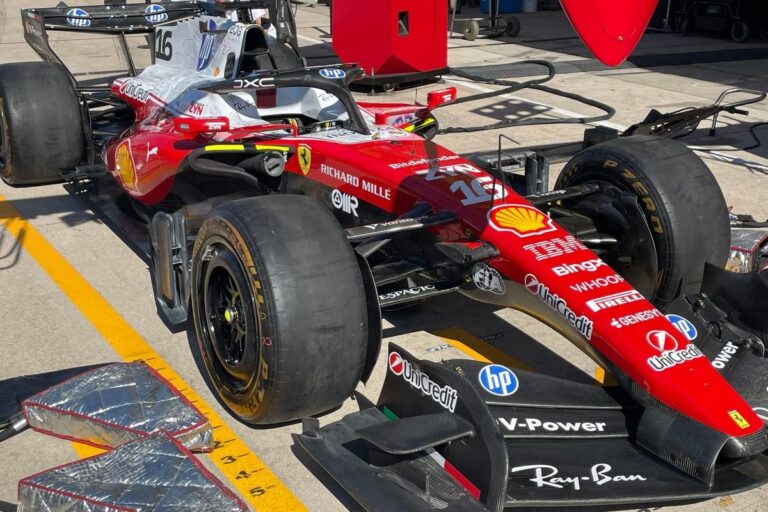
Down the back straight, the approach to Turn 12 remains the headline passing zone. Braking stability and late rotation are crucial, and Ferrari’s mechanical grip often shines through the slower complexes that follow.
The final sector blends patience with precision. Aggressive kerb use can damage floors, while Turn 19 track limits police ambition. The fastest package still needs discipline to keep laps valid under pressure.
Elevation changes add another layer. The compressions and crests amplify load variation, so cars need generous platform control without sacrificing kerb compliance or tyre longevity across long stints.
Verstappen describes the bumps’ “physical toll,” reinforcing how setup compromises directly affect driver endurance on Sunday.
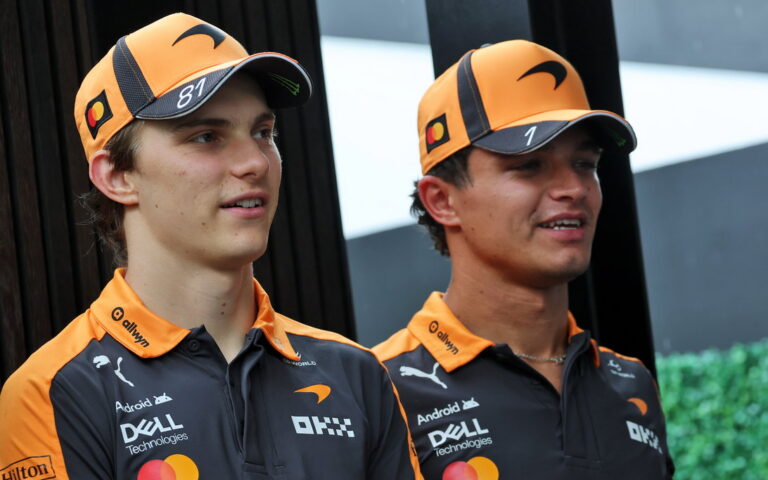
On form, Verstappen enters as favourite, but Ferrari’s low-speed strength keeps it relevant if tyre life holds. McLaren’s driver pairing continues to apply pressure, with consistent race craft from both sides of the garage. Recent focus on Piastri and Norris defining McLaren’s rule of engagement underlines that threat.
The surface evolution complicates tyre prep and stint planning. Teams often trade peak kerb aggression for reliability, prioritising floor integrity and repeatable balance through parc fermé, especially with gusty winds across the open sections.
Turn 1 and Turn 12 remain the clearest passing windows, shaping qualifying priorities and race stint timing.
The broader calendar keeps Austin central to F1’s US presence. The 2026 United States Grand Prix is set for October 25, ensuring COTA’s bumps, gradients, and overtaking zones remain a strategic benchmark.
Off-track narratives also colour the weekend. Lewis Hamilton’s situational approach can add unpredictability, as explored in analysis of how he sometimes ignores F1 strategy. McLaren’s ongoing driver dynamic, detailed in how its drivers manage racing each other, frames another competitive subplot.
For Jacques, COTA is a modern classic because it rewards complete packages. To succeed through Q3 and the race, teams must solve the bumps, protect the floor, and execute cleanly in the passing zones.
Visual Summary
COTA: The Bumpiest Challenge on the F1 Calendar
Brutal Elevation at Turn 1
Sharp climb for the iconic first corner
(modeled after Silverstone)
Prime Overtaking Spots
Aggressive moves at hairpin & Turn 12
Ferrari shines on mechanical grip
🤕
Verstappen:
“These bumps
hurt drivers!”
💥
💢
🧠
Hamilton:
“Strategy? I’ll decide
on the fly.”
COTA: A Modern Classic
Bumps shift every year, keeping teams guessing. Technical sections, signature overtakes, and ruthless elevations make Austin the ultimate F1 test.
📅 2026 US Grand Prix: Oct 25

Daniel Miller reports on Formula 1 Grand Prix weekends with race-day analysis, team-radio highlights, and point-standings updates. He explains power-unit upgrades, aerodynamic developments, and driver rivalries in straightforward, SEO-friendly language for a global F1 audience.