
https://shop.fervogear.com/cart


Inside One F1 Team’s Most Unbelievable Day of 2026

Highlights
- Williams was 8.1 seconds slower than fastest car in practice.
- Alex Albon was slowest driver in both FP1 and FP2.
- Team prioritized data gathering over immediate race performance.
- Focus on aero tests aims to improve 2027 car development.
- Williams struggled with downforce and rear-end confidence at COTA.
- Team expects a difficult weekend but values long-term learning.
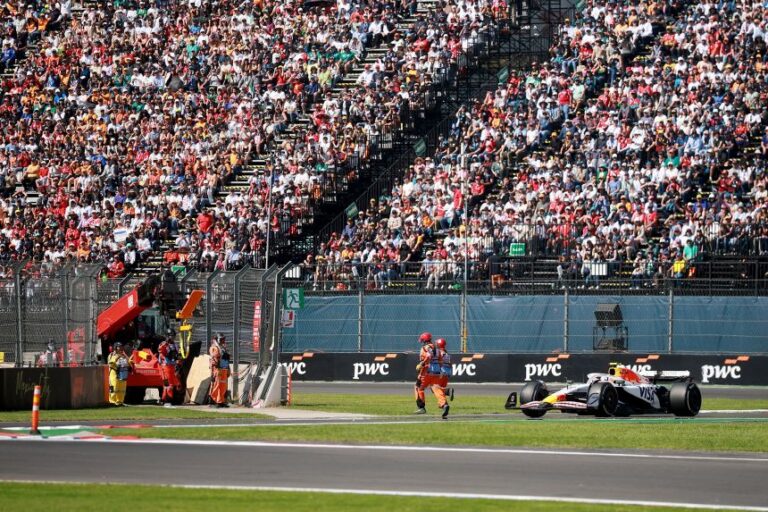
Williams endures an anomalous Friday at the United States Grand Prix at COTA, finishing 8.1 seconds off the benchmark, after executing a data-led programme targeting 2027 gains.
Alex Albon is slowest in both sessions, while Carlos Sainz trails Valtteri Bottas’s Cadillac, compounding the headline deficit and prompting questions over intent and competitiveness.

Albon’s best lap is deleted for track limits, but the core explanation is strategic: Williams de-prioritises lap time to gather aerodynamic correlation data.
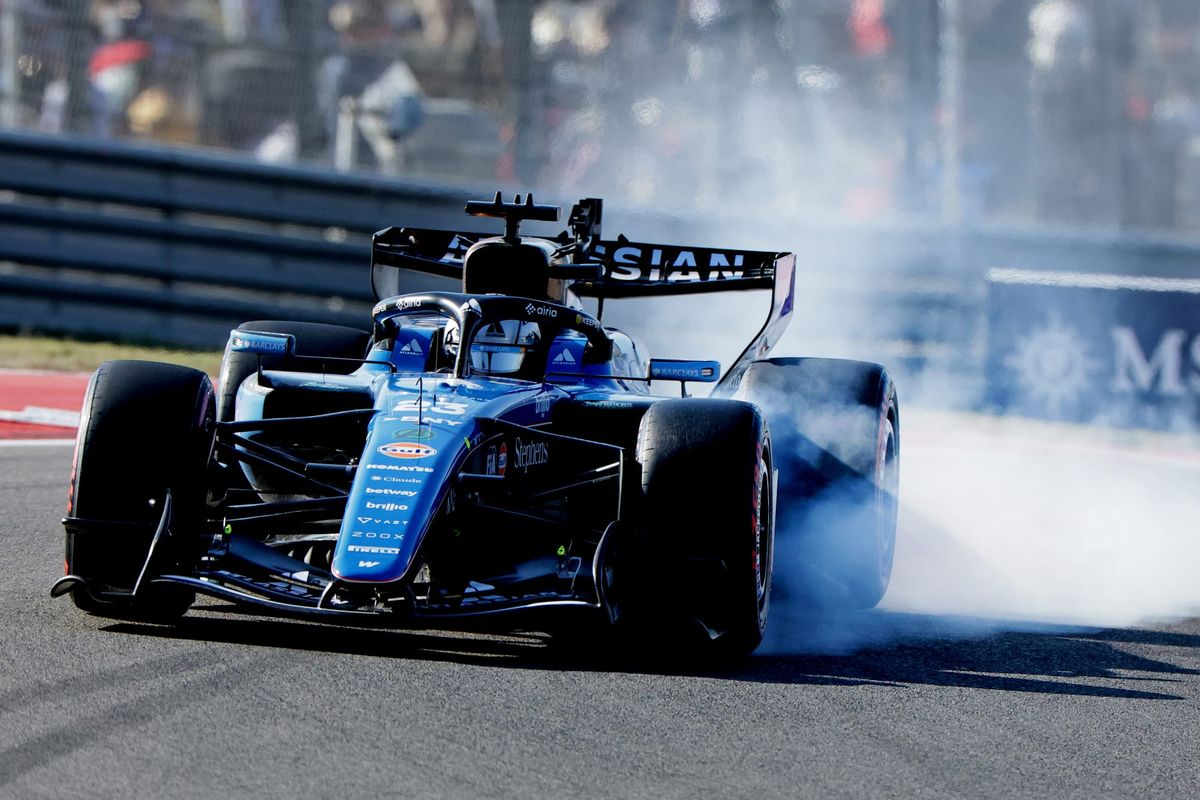
The team opens FP1 with aero mapping on hard tyres, then switches briefly to mediums, maximising rake sweeps and flow assessments over outright speed.
Trackside chief Paul Williams frames COTA as high-value for aero understanding, and Sainz says the team chooses a venue that exposes weaknesses to shape next year.
“We want to make sure we understand it and map it properly to get it right next year.” – Carlos Sainz
The FP2 run plan is more conventional, yet heavy-fuel emphasis limits low-fuel reads and delays qualifying optimisation.
As expected, one‑lap pace looks poor, and long‑run averages place Williams adrift of the midfield at the United States Grand Prix layout, which magnifies medium‑ and high‑speed limitations.
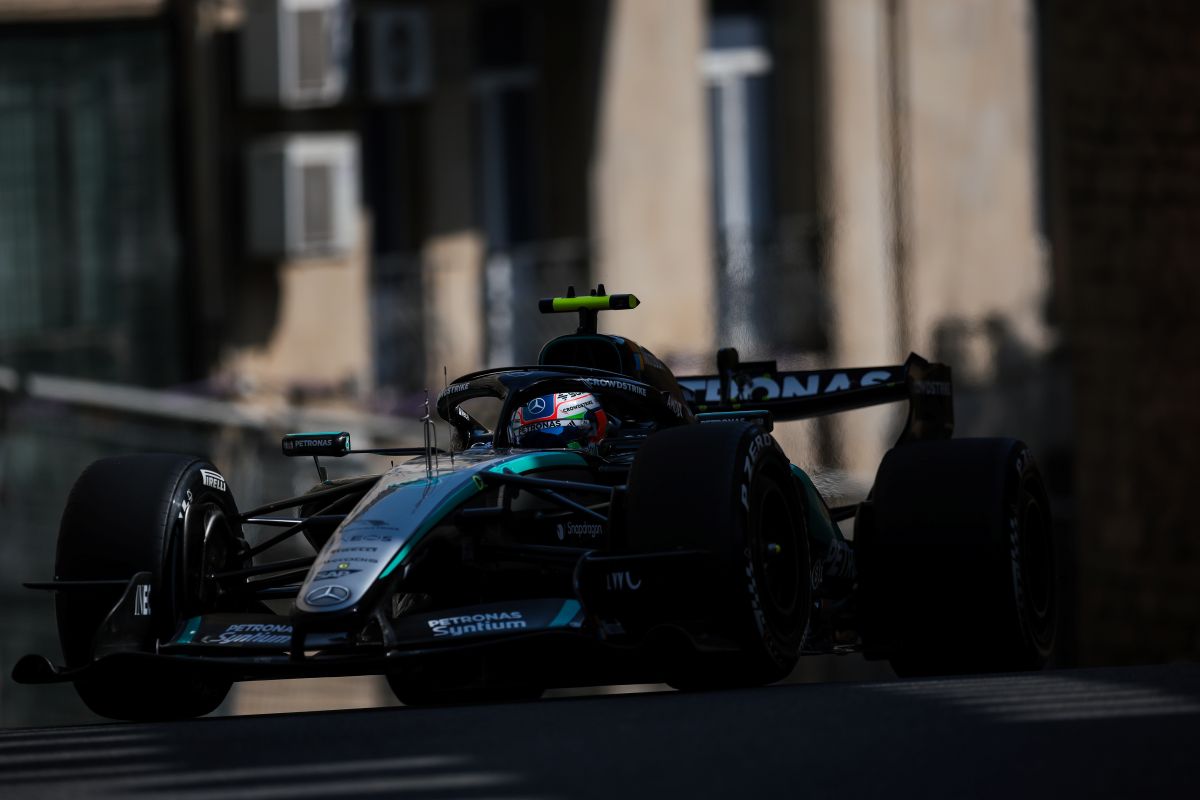
Williams’ long‑run pace also proves uncompetitive within the midfield.
Sainz labels the car “a mess,” lacking rear security, while Albon reports no confidence under braking, compounding tyre warm‑up and consistency problems.
The underlying deficit is downforce. Bumps, heat, and gusts at COTA erode stability further when the baseline load is low.
Fastest-to-Williams gap: 8.1 seconds on Friday practice headline times.
Williams treats the pain as investment, using today’s deltas to calibrate wind‑tunnel expectations and refine aero surfaces for 2027.
In championship context, immediate upside is limited, with the front defined by a four‑team battle. The team banks learning now to unlock performance next year.
Visual Summary
🚗 Cadillac
Ahead
▶️
Williams
+8.1s
𝘿
THIS WEEKEND
NEXT YEAR
Trading laps for learning 📊
Williams ran last for a reason:
Sainz: “The car’s a mess—no rear-end confidence.”
Williams ran last for a reason:
COTA exposes our weaknesses, but also helps map what to fix for 2027.
Sainz: “The car’s a mess—no rear-end confidence.”
Data collected: MAX
🔬
Williams sacrifice speed now to build a faster future.
2026 pain = 2027 gain?
Williams sacrifice speed now to build a faster future.
2026 pain = 2027 gain?

Daniel Miller reports on Formula 1 Grand Prix weekends with race-day analysis, team-radio highlights, and point-standings updates. He explains power-unit upgrades, aerodynamic developments, and driver rivalries in straightforward, SEO-friendly language for a global F1 audience.