https://shop.fervogear.com/cart

How Red Bull Powered Verstappen’s Epic Comeback

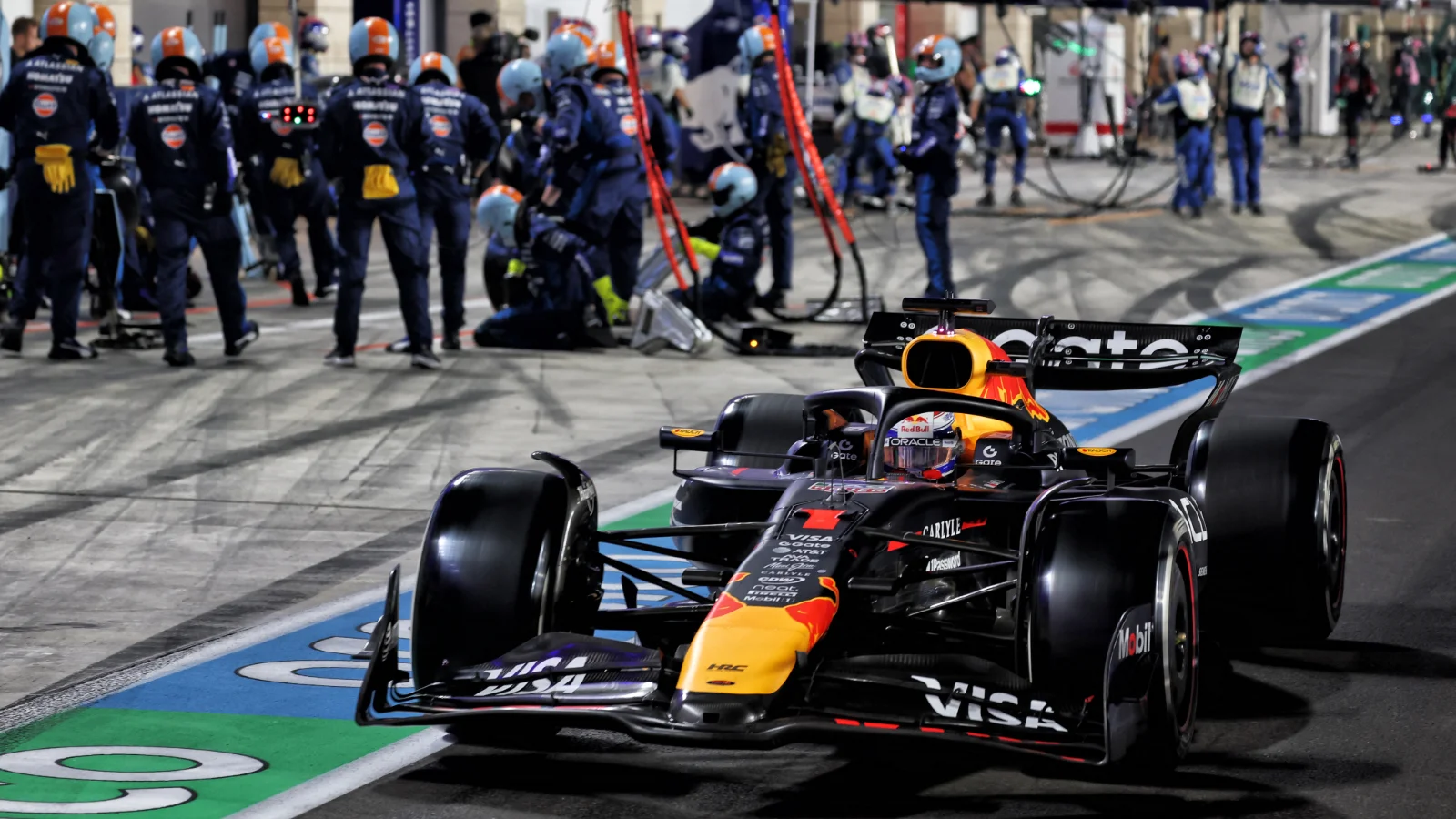
Highlights
- Red Bull improved RB22 with new aero package and steering fix
- New front wing, updated floor, and redesigned sidepods introduced
- ‘Macarena wing’ rear design gave Red Bull a competitive edge
- Verstappen’s handling and speed improved, aiding his 2026 comeback
- Verstappen expressed frustration over ongoing Formula 1 rule adjustments
- Red Bull aims to build momentum at Canadian and Monaco GPs
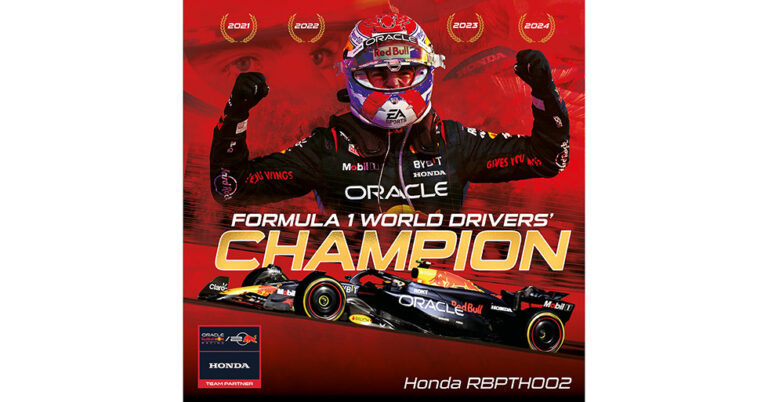
Max Verstappen returns to competitive form in the 2026 Formula 1 season after Red Bull’s extensive RB22 upgrade package addresses early weaknesses and resets the competitive picture.
Red Bull fixes a steering limitation that masked front-end feel and limited rotation. A revised aerodynamic suite then unlocks load distribution and stability across a wider operating window.

Steering fix and aero suite expand RB22’s operating window.
Key elements include a new front wing, an updated floor to enhance ground effect consistency, and reworked sidepods for cooling efficiency and cleaner rearward airflow.
Red Bull also debuts its take on the ‘Macarena wing’ at the rear, prioritising efficiency while preserving load, which strengthens both straight-line performance and high-speed balance.
Combined, the revisions increase Verstappen’s confidence on corner entry and traction phases. The car responds predictably, allowing aggressive setups without triggering instability.
‘Macarena wing’ boosts efficiency while preserving load.
That step arrives at a critical juncture, with the calendar compressing development pressure and rivals escalating upgrade cycles.
A detailed technical breakdown from RacingNews365 outlines why the package coheres aerodynamically and how the steering fix unlocks tyre usage across stints.
Results follow quickly. Straight-line speed improves, and cornering grip becomes more repeatable, trimming the deficit to the leading cars and restoring qualifying leverage.
Upgrades restore straight-line speed and cornering repeatability.
Yet Verstappen remains vocal about ongoing regulatory adjustments. He acknowledges the rules’ initial reliability, but argues some elements still complicate car behaviour and race execution.
That tension reflects 2026’s evolving framework, where aerodynamics, power unit demands, and parc fermé constraints push teams toward fast, precise iterations.
Rivals respond with their own upgrades, but Red Bull’s execution speed stands out. The team converts concept work into laptime with minimal correlation risk.
Attention now shifts to the 2026 Formula 1 calendar, including Canada on May 24 and Monaco on June 7, where track-specific demands will test the package’s versatility.
If Red Bull sustains this development rate, Verstappen retains a pathway to consistent podium contention, with race-day strategy again framed by outright pace rather than damage limitation.
Visual Summary
VERSTAPPEN’S FIGHTBACK
Red Bull’s 2026 Upgrade Ignites Comeback
?️
Upgrade Highlights:
Front Wing
Floor & Sidepods
“Macarena” Rear Wing
Front Wing
Floor & Sidepods
“Macarena” Rear Wing
⬆️
Confidence rising
RB22 is back in the fight
RB22 is back in the fight
⚖️
Verstappen:
“Rules still
frustrate me…”
“Rules still
frustrate me…”
Next Up:
Canadian GP May 24
Monaco GP June 7
Red Bull reacts, Verstappen recovers — F1’s never still for long.

Daniel Miller reports on Formula 1 Grand Prix weekends with race-day analysis, team-radio highlights, and point-standings updates. He explains power-unit upgrades, aerodynamic developments, and driver rivalries in straightforward, SEO-friendly language for a global F1 audience.