https://shop.fervogear.com/cart

Red Bull Issues Strong Response to Upcoming Radical F1 Rule Change

Highlights
- F1 to switch to naturally aspirated engines by 2030 or 2031.
- FIA president Mohammed Ben Sulayem confirmed engine regulation changes.
- Mercedes supports engine shift despite hybrid era dominance since 2014.
- Red Bull Powertrains ready to adapt, backed by Ford support.
- New rules retain batteries, balancing performance, cost, and sustainability.
- Engine change expected to reset competition and spark technical innovation.
Formula 1 prepares a major engine reset for 2030 or 2031, potentially reviving naturally aspirated V8 or V10 units and reshaping the competitive order.
FIA president Mohammed Ben Sulayem confirms the intention to move away from turbo-hybrids, while retaining batteries to meet efficiency and sustainability goals.

The direction points to simpler hardware, tighter cost control, and a sporting reset that could reframe manufacturer strengths.
Mercedes, the benchmark of the hybrid era, signals support. Toto Wolff backs the shift, indicating confidence in adapting rather than protecting an established advantage.
That stance underlines Mercedes’ appetite for a reset and its belief in execution over legacy know-how alone.
FIA targets a return to naturally aspirated engines while retaining batteries for deployment and regeneration.
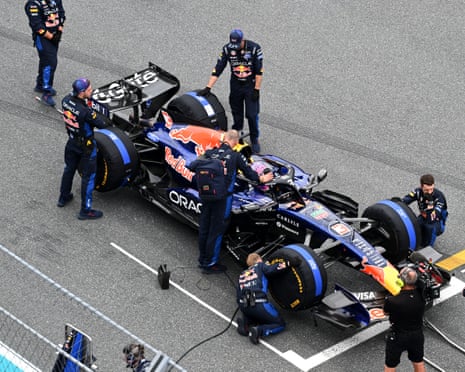
Red Bull Powertrains, partnered with Ford since 2026, presents readiness for the change. Sporting director Laurent Mekies frames the transition as an opportunity.
Having built its hybrid unit from scratch, Red Bull rates progress as decent, though still fractionally behind Mercedes on power unit performance.
Simpler combustion architecture could suit a newer manufacturer. Mekies notes frequent use of a Ford Mustang V8, hinting at relevant familiarity.
The rules aim to balance performance with sustainability and cost. Batteries remain central to energy deployment and efficiency, even alongside naturally aspirated engines.
Design priorities will shift. Packaging, cooling, gearing, and drivability must align with new duty cycles and different torque delivery.
Mercedes supports the shift despite hybrid-era dominance, signaling confidence in adaptability over continuity.
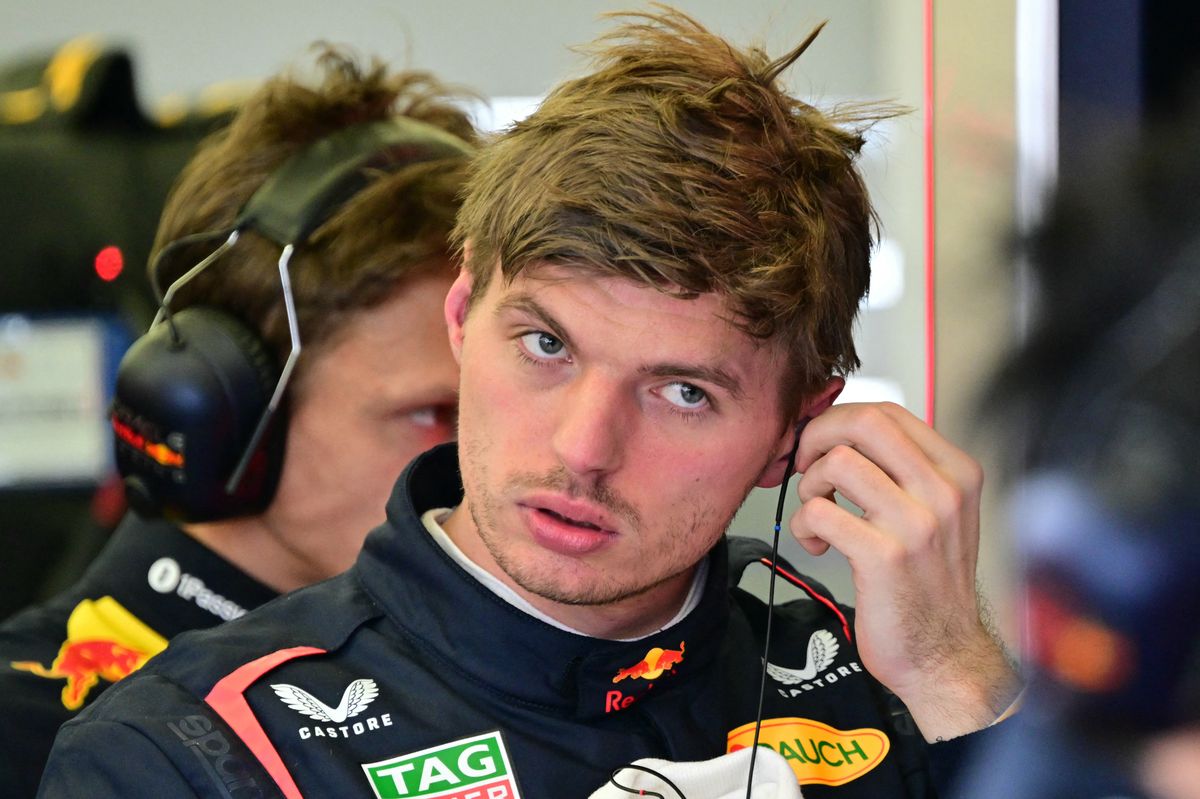
Drivers also face adaptation. Max Verstappen has criticized recent rule tweaks, yet a clean-sheet engine era offers fresh opportunity for Red Bull’s package.
With leading manufacturers aligned on direction, the 2030 cycle promises renewed rivalries, a competitive reset, and accelerated innovation across the grid.
Red Bull Powertrains views a simpler architecture as a chance to close any remaining performance gap.
Visual Summary
F1’s Engine Revolution
The meter leaps from turbo hybrids 🚀 to roaring V8/V10s 💨 in 2030—still boosted by battery tech ⚡.
👑
Mercedes
10x Constructors’ Titles*
Ready to reset
& adapt
& adapt
⚡
💥
Red Bull
Engine newcomers
Eager to
leap ahead
leap ahead
🔧
V8/V10
V8/V10
⚡
Batteries
Batteries
🏁
Racing DNA
Racing DNA
A new engine war is coming. Who will seize the power?
2030
Now
Countdown to a new chapter
*Mercedes: 10 Constructors’ / 7 Drivers’ titles since 2014
The next era is anyone’s race…
The next era is anyone’s race…

Daniel Miller reports on Formula 1 Grand Prix weekends with race-day analysis, team-radio highlights, and point-standings updates. He explains power-unit upgrades, aerodynamic developments, and driver rivalries in straightforward, SEO-friendly language for a global F1 audience.