https://shop.fervogear.com/cart

Inside the Secret Behind Ferrari and Red Bull’s ‘Macarena’ Wings


Highlights
- Ferrari and Red Bull introduced rotating ‘Macarena’ rear wings
- New 2026 rules replaced DRS with straightline mode (SLM)
- Miami Grand Prix marked first race use of rotating wings
- Rotating wings aim to improve straight-line speed and efficiency
- Teams continue developing wings based on Miami race data
- Innovation reflects broader technical shifts under 2026 Formula 1 rules
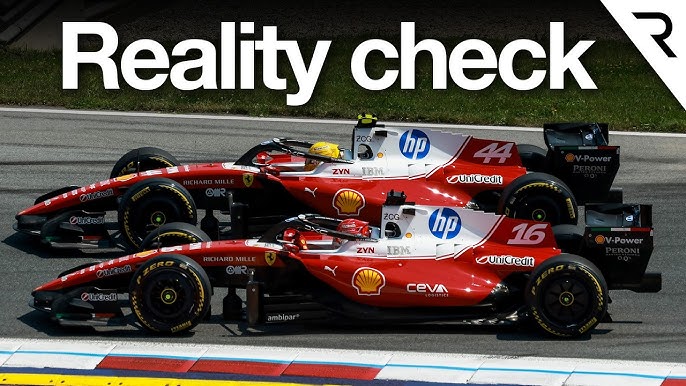
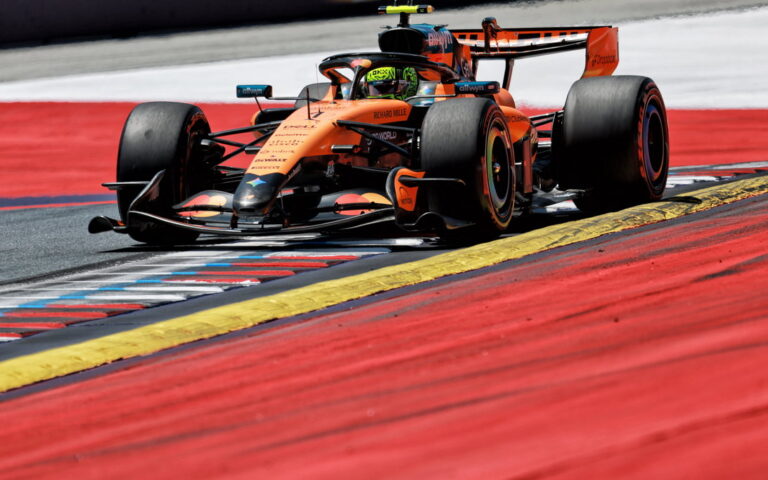
Ferrari and Red Bull unveiled rotating rear wings at the Miami Grand Prix, the first race under F1’s 2026 straightline mode rules. The ‘Macarena’ designs target lower drag and better efficiency.
Ferrari’s concept appeared in testing and practice, then was parked for refinement before racing. Red Bull’s version, developed longer, was publicly run at Miami for the first time.

Straightline mode replaces DRS and widens the legal means to cut drag. Teams can rotate wing assemblies, not merely open a flap, provided load, slot-gap, and safety limits are respected.
The aim is simple: higher straight-line speed without destabilising the car when SLM disengages. That places a premium on actuation control, stiffness, and predictable downforce recovery.
SLM replaces DRS for 2026, enabling rotating rear-wing concepts instead of simple flap opening.
Packaging is demanding. Teams must fit robust mechanisms, ensure accurate position sensing, and meet FIA fail-safe requirements, all without adding weight or compromising cooling, suspension access, or crash structure.
Ferrari’s caution reflects correlation risk. It wants cleaner data before committing in race trim. Red Bull’s visibility at Miami suggests confidence in reliability and the performance-to-complexity trade-off.
Miami offered vital learning. Teams will refine activation thresholds, rotation rates, and the aeromap to recover downforce smoothly under braking, while minimising porpoising risks in crosswinds and over bumps.
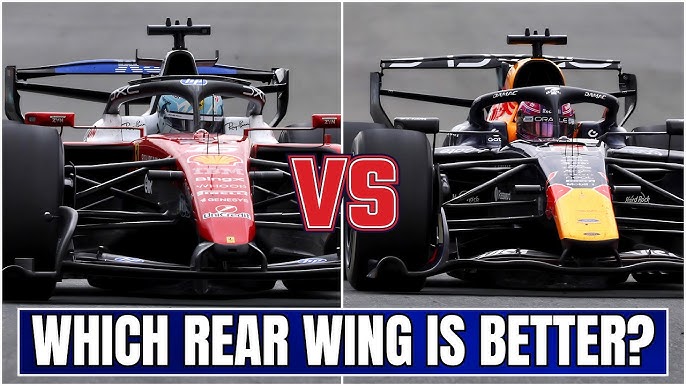
Miami provided the first race deployment of rotating wings under SLM, delivering crucial performance and reliability data.
Rivals are watching closely. Expect rapid iterations, and potentially FIA technical directives if interpretations drift. The regulation frames performance windows, but execution will decide competitiveness and convergence.
Any safety or wake-management concerns could trigger swift FIA clarifications.
Track specifics will matter. Long straights reward aggressive rotation, while high-downforce venues demand gentler maps. Teams must also integrate SLM usage with energy deployment and tyre temperature management.
The ‘Macarena’ wings capture the 2026 direction. If reliability holds and correlation is sound, they can be a lasting gain. If not, expect rapid redesigns as the field converges.
Early execution and correlation will separate winners from followers under SLM.
Visual Summary
Ferrari
Red Bull
🚀 SLM Mode
Ferrari & Red Bull debut ‘Macarena’ Rotating Wings
⚡
Game-Changing Tech
Rotating mechanisms replace
the old DRS flap
Game-Changing Tech
Rotating mechanisms replace
the old DRS flap
📋
2026 SLM Rules
Straightline Mode (SLM):
Wider design freedom
2026 SLM Rules
Straightline Mode (SLM):
Wider design freedom
💃🕺
Wings that Dance
Visually dynamic
“Macarena” effect
Wings that Dance
Visually dynamic
“Macarena” effect
F1’s 2026 Regulations Inspire a Daring Aerodynamic Revolution

Daniel Miller reports on Formula 1 Grand Prix weekends with race-day analysis, team-radio highlights, and point-standings updates. He explains power-unit upgrades, aerodynamic developments, and driver rivalries in straightforward, SEO-friendly language for a global F1 audience.