https://shop.fervogear.com/cart

The Crucial and Overlooked Factor in F1’s 2026 Power Race

Highlights
- F1 adopts advanced sustainable fuels under 2026 regulations.
- Sustainable fuels enable potential return of V8 engines by 2031.
- New 2026 fuel limit is 3000 Mega Joules per hour.
- Fuels must reduce greenhouse gases by at least 65%.
- BP and Audi collaborated three years to optimize fuel blends.
- Fuels sourced from biomass, waste, and renewable non-biogenic origins.
Formula 1’s 2026 rules quietly elevate advanced sustainable fuels, reshaping performance, development priorities, and even future engine concepts, alongside the headline hybrid overhaul.
Debate concentrates on batteries, energy limits, and qualifying quirks, but the fuel shift is foundational and largely controversy free.

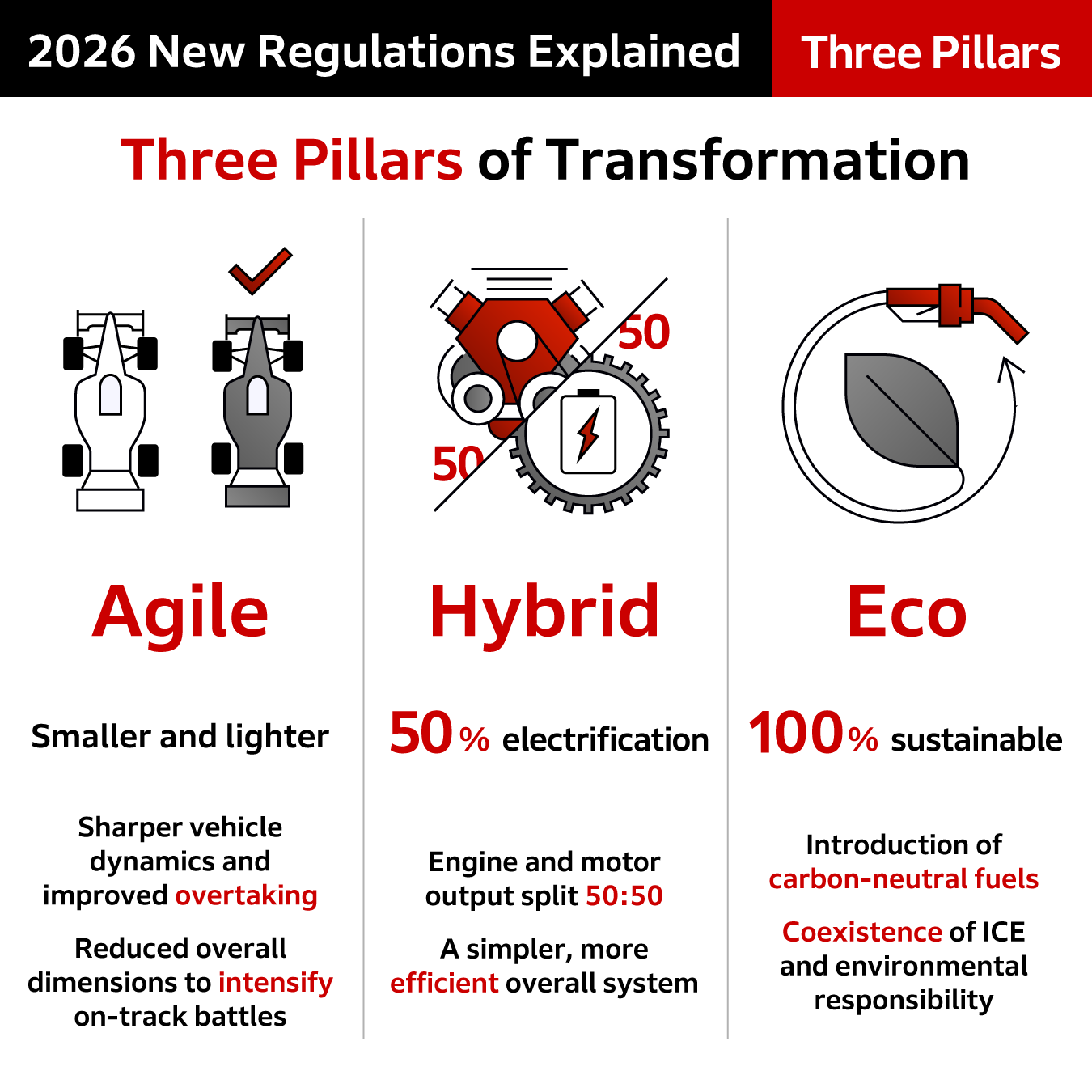
These fuels advance F1’s sustainability targets, push relevant combustion innovation, and maintain the combustion engine’s competitive role within the hybrid power unit.
Because they decouple performance from fossil sources, these fuels could enable a regulated V8 return by 2031, widening design freedom without undermining environmental goals.
Their low profile reflects smooth implementation. In F1, drama dominates attention; reliable gains rarely headline.
F1’s 2026 fuels must cut lifecycle greenhouse gases by at least 65% versus fossil baselines.
Fuel chemistry still dictates hybrid effectiveness. BP’s Luc Jolly notes battery energy depends on engine output, and ultimately, all usable energy originates from the fuel.
Suppliers optimise bespoke blends to extract every joule while meeting stringent efficiency and sustainability thresholds set by the FIA and manufacturers.
A key shift replaces volumetric fuel flow with a calorific cap of 3000 megajoules per hour, redefining how teams meter, map, and deploy energy.
For BP and Audi, early power unit milestones demanded iterative testing. Candidate blends probed combustion preferences while confirming components could be sourced sustainably at scale.
The collaboration spanned three years as Audi’s architecture evolved. The hardest task was aligning peak performance with uncompromising sustainability compliance.
The 3000 MJ/h energy limit reframes efficiency as the primary battleground for 2026 power units.
Feedstocks cover biomass, municipal waste, and RFNBOs, including e‑fuels derived from green hydrogen and captured carbon. Paper, wood, crop residues, and plastics all qualify.
Compliance drives new supply chains and chemistries. The 65% reduction mandate forces measurable lifecycle auditing across sourcing, processing, and distribution.
BP and Audi co-developed fuel and engine in lockstep, iterating blends as combustion targets shifted.
On track, consistent combustion output limits controversy, but within an energy-limited formula, marginal fuel gains remain strategically decisive.
Expect competitive advantage to favour organisations integrating fuel, engine, and electrical deployment. Sustainable fuels keep ICE central while the hybrid balance evolves.
Visual Summary
⚡
Electric Power
Advanced Sustainable Fuel
?
Combustion Power
Formula 1’s Invisible Revolution
Advanced sustainable fuels now power electric & combustion sides:
3000 MJ/h
(new energy flow limit)
-65% greenhouse gas emissions
(vs. fossil fuels, FIA rule)
3000 MJ/h
(new energy flow limit)
-65% greenhouse gas emissions
(vs. fossil fuels, FIA rule)
The real game-changer for F1’s next era isn’t drama; it’s chemistry.
?
Biomass
?️
Waste
⚗️
E-fuels
Quietly powering F1’s future: breakthrough fuels, fewer headlines, massive impact.

Daniel Miller reports on Formula 1 Grand Prix weekends with race-day analysis, team-radio highlights, and point-standings updates. He explains power-unit upgrades, aerodynamic developments, and driver rivalries in straightforward, SEO-friendly language for a global F1 audience.