https://shop.fervogear.com/cart

Liam Lawson Reveals Unexpected Discovery Fueling His F1 Ambitions

Highlights
- Miami GP rules allow battery super-charge up to 350 kilowatts.
- Race energy harvest reduced from 8 to 7 megajoules.
- Liam Lawson says energy management remains critical but evolving.
- Energy split between engine and battery set for 2027 review.
- Mercedes plans major upgrades ahead of the Canadian Grand Prix.
- Max Verstappen is favored as a strong contender in upcoming races.
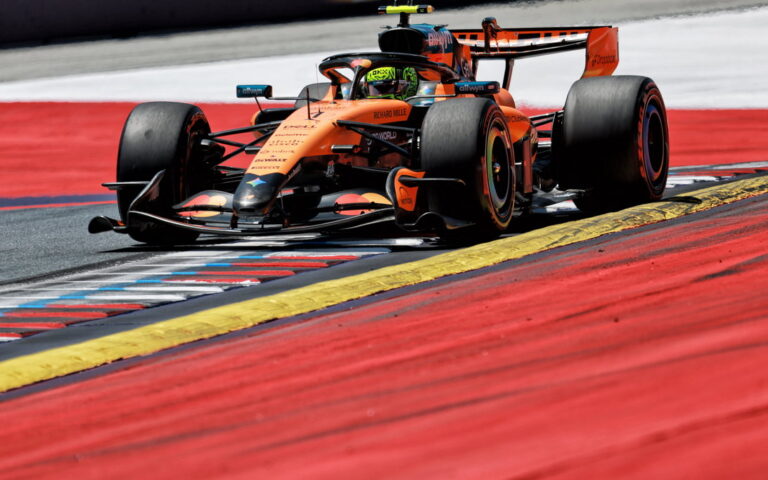
Liam Lawson says Formula 1’s latest energy rules are reshaping how teams run weekends, while hinting drivers could push harder over race stints.
The Miami package raises peak battery deployment to 350kW and trims race energy harvest from 8MJ to 7MJ, changing deployment and lift-and-coast thresholds.

Lawson explains teams now re-optimise energy maps session by session as grip rises and corner speeds increase, amplifying consumption versus initial simulations.
Miami’s rules lift battery deployment to 350kW and cut race harvest to 7MJ, recalibrating energy strategy across stints.
He notes the current 50:50 split between internal combustion engine power and battery output remains a central constraint on car behaviour.
That split is scheduled for review in 2027, opening scope for a different performance balance and revised deployment windows.
ICE–battery 50:50 split faces a formal review for 2027, with potential to reshape deployment profiles and race management.
Energy management still dictates lap time, even as teams chase setup gains through practice and qualifying, according to Lawson.
He says evolving track grip forces dynamic changes to deployment, braking recovery, and lift points from FP1 to qualifying.
“A large part of lap time right now is about managing energy,” says Liam Lawson, underscoring the weekend-long adaptation required.
The adjustments aim to reduce extreme conservation phases and enable longer flat-out spells without destabilising stint profiles.
Teams continue to refine driver coaching and dashboard cues to align real-time inputs with the revised energy envelope.
Those shifts add importance to software, hybrid calibration, and tyre phase management as competitive differentiators.
Looking ahead to Montreal, Mercedes prepares a major upgrade push as it seeks a clearer operating window.
The Circuit Gilles Villeneuve’s heavy braking and traction zones will stress recovery and deployment efficiency.
Max Verstappen remains a strong contender, with adaptability likely to pay dividends under the new constraints.
Rivals must match his pace of optimisation through practice to avoid being locked into suboptimal energy targets.
Across 2026, further tweaks are expected to guide car design and race tactics toward efficiency without neutering racing.
Lawson’s view suggests the trend could reduce energy-driven compromise and boost sustained attacking phases.
That aligns with a broader push to balance spectacle, technical integrity, and strategic depth as regulations evolve.
The early evidence indicates F1 is iterating pragmatically, responding to performance data and competitive feedback.
If teams master the new maps quickly, fans should see cleaner, harder racing with fewer enforced slow phases.
Visual Summary
?️
50 / 50
Engine : Battery
Energy Tweaks Fuel
More Flat-Out F1 Racing?
More Flat-Out F1 Racing?
Liam Lawson reveals how new battery rules are shaking up race tactics—and hint at a future where drivers push harder, for longer.
??
Next: Canadian GP
Next: Canadian GP
⬆️
Mercedes upgrades
Mercedes upgrades
?
Verstappen: Dark Horse?
Verstappen: Dark Horse?

James William covers the IMSA WeatherTech SportsCar Championship, from the Rolex 24 at Daytona to sprint-race formats. His reports include prototype performance reviews, GT class battles, and pit-stop strategy insights for endurance-racing fans.