https://shop.fervogear.com/cart

Mercedes Canadian GP Edge Grows Amid F1 Competitive Imbalance

Highlights
- Mercedes aims for fifth consecutive win at Canadian Grand Prix
- Kimi Antonelli secured Miami GP victory despite team challenges
- Mercedes to introduce major upgrade package in Montreal
- Circuit Gilles Villeneuve favors strong power units and energy management
- Max Verstappen remains top contender against Mercedes
- Energy deployment crucial due to Montreal’s limited harvesting zones
Mercedes arrives in Montreal targeting a fifth straight 2026 win as build-up to the Canadian Grand Prix intensifies this weekend.
The team’s unbeaten start survived Miami’s difficulties, with Kimi Antonelli converting despite operational headwinds. A two-week reset sets the stage for a substantial Montreal upgrade package.

Former race engineer Rob Smedley expects Mercedes’ new parts to deliver net gains. While rivals also upgrade, the scale of Mercedes’ package suggests a measurable step.
Mercedes pursues a fifth consecutive victory to open the 2026 season.
Circuit Gilles Villeneuve prioritizes power unit efficiency and effective deployment. Long full-throttle phases amplify energy management demands and can expose harvesting limitations.
Miami’s stop-start profile allowed frequent recovery, masking some deficits. Montreal is different, resembling Suzuka’s sustained-load challenge more than Miami’s repeated heavy braking zones.
Regulatory tweaks introduced around Miami shifted certain behaviors. However, the early-season power unit imbalance still matters on Montreal’s back-to-back straights.
The long run from the hairpin to the final chicane, then the pit straight, pressures deployment planning. Teams must balance battery state-of-charge against overtaking and defensive priorities.
Energy deployment windows are narrow in Montreal, magnifying calibration, harvesting, and traction efficiency.
That dynamic is where Mercedes expects to profit. Its powertrain form and software calibration have underpinned early dominance, reinforced by targeted aero and cooling updates.
Expect the upgrade suite to emphasize efficiency, straight-line speed, and stability into heavy braking. Insights from the recent Mercedes Canadian GP test hint at focused deployment strategies.
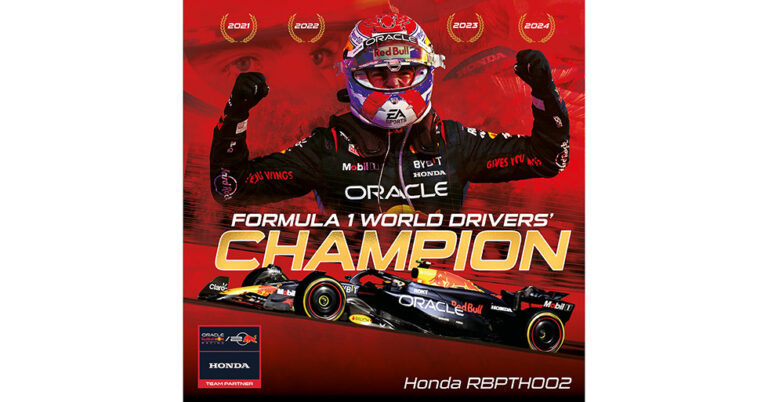
Rivals are not static. Red Bull’s Max Verstappen remains a persistent threat if Mercedes stumbles, particularly in changing conditions or safety-car disrupted races.
Elsewhere, teams like Williams are also refining packages to suit Montreal’s characteristics, with targeted changes arriving for this event. That aligns with Williams’ Canadian GP updates and a broader development push.
Rob Smedley expects Mercedes’ confirmed package to yield a clear net performance gain.
Strategically, Mercedes will aim to control stint length through superior deployment and tyre retention. That could limit rivals’ undercut opportunities and protect track position.
Red Bull’s route to victory likely relies on execution perfection and capitalizing on any Mercedes missteps. Clean air and aggressive deployment could offset deficits on the straights.
Mercedes’ leadership acknowledges the competitive backdrop and has detailed how it will respond to rivals through update cadence and correlation improvements.
The outcome hinges on whether Mercedes’ upgrades translate immediately. If they do, Montreal’s power-unit bias could entrench the current hierarchy.
If deployment constraints emerge, gaps will compress. That would bring Verstappen and opportunistic midfielders into play, especially around pit windows and restarts.
Either way, energy management stands as the decisive metric. Execute that well, and the weekend’s competitive picture will likely follow.
Visual Summary
Mercedes Power Surge in Montreal
4 Wins in 4 Races
⛽ Upgrade Power for Montreal’s high-speed straights
?
Hairpin
Deploy
?
Chicane
Push
?
Finish
⚡ Verstappen eyes opportunity if Mercedes stumbles
“Energy management is the battleground here.”

Daniel Miller reports on Formula 1 Grand Prix weekends with race-day analysis, team-radio highlights, and point-standings updates. He explains power-unit upgrades, aerodynamic developments, and driver rivalries in straightforward, SEO-friendly language for a global F1 audience.