https://shop.fervogear.com/cart
Liam Lawson Exposes Huge F1 Change After New Rule Update

Highlights
- New F1 regulations enforce 50/50 split of power source energy
- Liam Lawson says energy management now top race preparation focus
- Teams prioritize electric power deployment over traditional aerodynamic adjustments
- Complexity of power units demands new strategies from drivers and engineers
- Regulations aim to enhance sustainability with advanced hybrid technology
- Teams like Racing Bulls quickly adapting to power unit challenges
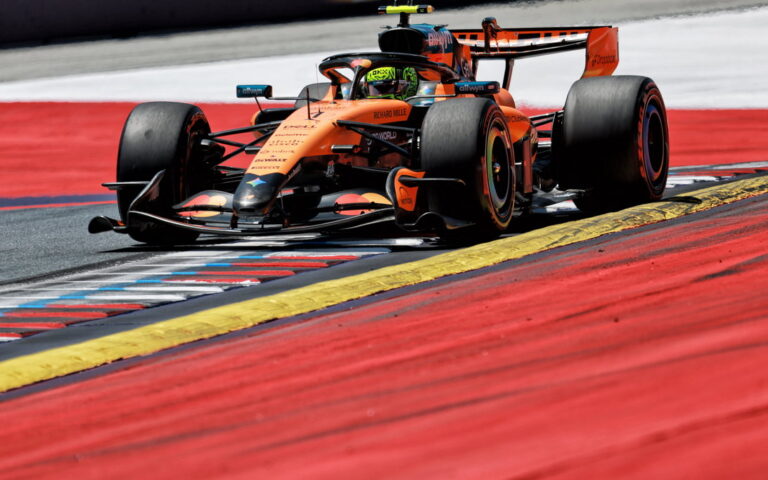
Liam Lawson says Formula 1’s new power unit rules have reshaped team operations this season, elevating energy management above traditional setup work across practice, qualifying, and race stints.
The regulations split power delivery 50/50 between the combustion engine and electrical systems, creating the sport’s most demanding integration challenge since hybrids first arrived.
Where weekends once centred on downforce levels, suspension tuning, and ride heights, preparation now prioritises harvest, deployment, and drivetrain efficiency across stints and safety‑car windows.
Energy management now outranks traditional setup work as the main lap-time lever.
Lawson describes energy use decisions as the primary battleground: when to deploy electrical power, how to replenish the battery, and which gears preserve state‑of‑charge.
On many circuits, lap‑time sensitivity to deployment maps now exceeds the gains available from conventional aerodynamic trims, especially on fuel‑critical, stop‑start layouts.
The strategic swing reflects sustainability goals, though interpretation questions remain, as discussed in recent F1 rule change uncertainty analysis.
Racing Bulls is adapting quickly, with Lawson emphasising lift‑and‑coast calibration, corner‑entry regeneration, and traction‑phase deployment as key differentiators under parc fermé constraints.
Teams now prioritise electric deployment maps and harvesting windows over aero trims.
Engineers now model energy budgets per lap, then stack them over stints, aligning tyre life, thermal headroom, and ERS windows to protect peak performance in traffic.
Driver workload rises accordingly. The steering wheel becomes an energy console, with frequent mode changes and tighter recharge targets linked to sector characteristics.
Lawson’s evolving approach mirrors themes from his F1 hope reflections, where adaptability and systems understanding underpin his route to consistent points.
He has also outlined the psychological release that follows mastering these layers, as noted in his recent F1 relief piece.
Operationally, the biggest shift since hybrids arrived is cultural: drivers and engineers now co‑author power strategies rather than treating the power unit as background.
Lift‑and‑coast, harvesting, and deployment timing now dominate race‑day tactics.
Expect volatility early. Groups that align software, thermal management, and drivability fastest will harvest points while rivals chase stability, correlation, and driver confidence.
As learning accelerates, execution margins will narrow, and championships will hinge on who balances harvest, deployment, and fuel use most consistently under pressure.
Visual Summary
50%ICE
50%Elec
Energy is the New Battlefield
50% combustion • 50% electric
Liam Lawson reveals F1’s new era: Not just about car setup—now every lap is a tug-of-war between fuel burn and electric boost.
Liam Lawson reveals F1’s new era: Not just about car setup—now every lap is a tug-of-war between fuel burn and electric boost.
?
⚡
?
Old Focus
Setup
Old Focus
Setup
→
?
Now
Energy
Management
Now
Energy
Management
→
?
Mindset
Rewired
Mindset
Rewired
“Energy management rules everything now. It’s about when and how fast you unleash that power. Car setup? It’s not king anymore.” — Liam Lawson
50%
Combustion
Combustion
50%
Electric
Electric
Biggest F1 Overhaul Ever: Hybrid split is the new frontier. Read More

James William covers the IMSA WeatherTech SportsCar Championship, from the Rolex 24 at Daytona to sprint-race formats. His reports include prototype performance reviews, GT class battles, and pit-stop strategy insights for endurance-racing fans.