https://shop.fervogear.com/cart

Max Verstappen’s Frustration Fuels Ongoing F1 Career Doubts


Highlights
- Max Verstappen frustrated with F1’s current technical regulations.
- He wants 60/40 internal combustion engine to hybrid split by 2027.
- Audi, Cadillac, and Ferrari oppose the proposed power unit change.
- Verstappen may leave F1 after 2026 if rules don’t change.
- Jamie Chadwick highlighted Verstappen’s growing dissatisfaction in recent races.
- Power unit debate could impact F1’s future and driver careers.
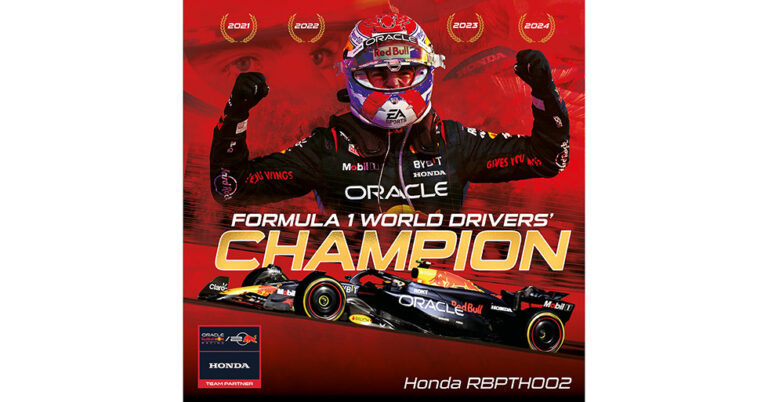
Max Verstappen’s Formula 1 future remains unsettled after his Montreal podium, as he intensifies pressure for changes to the power-unit rules that will shape the championship beyond 2026.
The Red Bull driver wants a 60/40 internal-combustion to hybrid split from 2027, replacing the current 50/50 balance, arguing it better serves drivability, spectacle, and the category’s traditional identity.

Early paddock briefings suggested broad support, but resistance emerged in Canada, with Audi, Cadillac, and Ferrari unconvinced about reopening the power-unit framework so soon after agreeing 2026 regulations.

Verstappen’s stance reflects competitive frustration as much as philosophy. He has not consistently fought for wins this year, despite banking his first 2026 podium at the Canadian Grand Prix.
Verstappen wants a 60/40 split favouring the internal combustion engine from 2027.
He warned he could walk away if the ruleset remains unchanged, a high-risk warning he repeated during recent media appearances.
Jamie Chadwick, speaking on Sky F1, characterised Verstappen as realistic about Red Bull’s current ceiling yet dissatisfied with the championship’s direction, pointing to difficult recent weekends, including the Nürburgring.
Audi, Cadillac, and Ferrari are resisting a shift away from the current power unit balance.
The dispute exposes competing priorities among manufacturers and F1 stakeholders: road-relevance and efficiency versus noise, throttle response, and raceability. Any compromise must also manage costs and avoid destabilising investment plans.
A 60/40 shift would still retain significant hybrid deployment, but rebalancing energy flow, fuel allocation, and MGU performance could change packaging trade-offs, thermal management, and drivability across circuits.
Red Bull’s calculus blends pure performance with political leverage. Verstappen’s influence ensures the discussion remains prominent, but regulatory resets rarely deliver uniform benefits across the grid.
Verstappen has not ruled out leaving F1 after 2026 if no compromise emerges.
Teams that oppose change argue stability is vital while the 2026 formula beds in. Others believe modest rebalancing could enhance driver confidence and spectacle without discarding hybrid advancement.
The next phase of talks will test governance and compromise. Verstappen sees an opportunity to shape direction, but consensus must align manufacturers, promoters, and regulators before 2027.
Until then, form swings remain decisive. Red Bull’s gains or losses through 2026 may recalibrate the rhetoric, as ongoing analysis of Verstappen’s weaknesses and strengths intersects with evolving car characteristics.
Visual Summary
⬅️
?
?
Max Verstappen at the Crossroads —
Stay in F1 or shift gears?
Stay in F1 or shift gears?
⛽
60% ICE
60% ICE
(Verstappen’s demand)
?
40% Hybrid
40% Hybrid
(Current teams oppose)
“Change, or I’ll walk.” – Verstappen’s warning rocks F1 as engine rules divide the paddock
4x World Champion
Podium at Canada GP
Contract up: end of 2026
The next move is in F1’s hands.
Will they keep their reigning superstar or lose him to history’s “what ifs”?
Will they keep their reigning superstar or lose him to history’s “what ifs”?

Daniel Miller reports on Formula 1 Grand Prix weekends with race-day analysis, team-radio highlights, and point-standings updates. He explains power-unit upgrades, aerodynamic developments, and driver rivalries in straightforward, SEO-friendly language for a global F1 audience.