https://shop.fervogear.com/cart

Max Verstappen’s Biggest Weakness Sparks Urgent F1 Demand

Highlights
- Max Verstappen criticizes current F1 power-unit regulations.
- Engine formula 60/40 combustion split proposals have stalled.
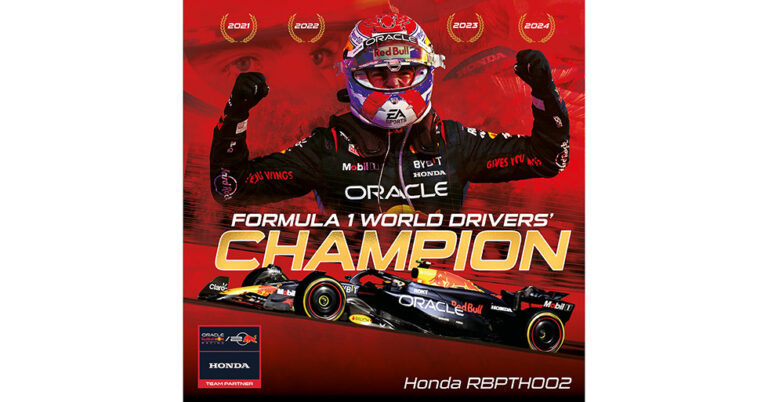
- Verstappen confirmed plans to race in F1 through 2027.
- Former strategist Bernie Collins praises Verstappen’s influence.
- Verstappen pushes for racing on historic tracks like Nordschleife.
Max Verstappen renews criticism of Formula 1’s power‑unit rules after stalled 60/40 combustion proposals, while Bernie Collins says his 2027 commitment weakens leverage during the Canadian Grand Prix weekend.
An initial Miami agreement to rebalance the engine split has stalled in follow‑up talks. Drivers report drivability concerns with this season’s power units under the current deployment limits.
Verstappen remains the most prominent critic, but Collins frames it as stewardship rather than self‑interest. She highlights his unusual influence and the weight his technical feedback carries.
Verstappen confirmed he will continue in Formula 1 through 2027 during the Canadian Grand Prix weekend.
He leverages status within Red Bull Racing to push adjustments he believes improve racing and enjoyment. That includes advocating occasional runs on historic venues such as the Nordschleife.
The 60/40 combustion‑to‑electric proposal, initially aligned at Miami, has stalled in subsequent negotiations.
Stalled proposals target a 60/40 combustion‑to‑electric ratio, easing harvesting demands and top‑speed trade‑offs. Teams seek clarity on energy deployment, weight, and thermal efficiency targets before committing design freezes.
Collins argues Verstappen’s confirmation for 2027 removes uncertainty that might pressure stakeholders. It softens the implied threat of an early exit over dissatisfaction with regulations.
Collins sees a “weakness” in Verstappen’s stance because confirming 2027 reduces his leverage.
Even so, she credits him for consistency and clarity. The message aligns with broader debate over regulations, where competitive balance and show are weighed against manufacturer road‑relevance.
Red Bull’s situation adds context, with recent milestones and bouts of internal confusion shaping its priorities around performance and governance.
Verstappen’s standing also intersects with the competitive narrative, including renewed Hamilton‑Verstappen battles. His stance influences how rivals assess risk, strategy windows, and development compromises.
Calendar preferences, like sampling the Nordschleife, underline his wish to keep F1’s identity vivid. Practical constraints remain, but the sentiment resonates with a tradition‑minded fanbase.
As the FIA and F1 assess mid‑cycle tweaks for 2026 and beyond, teams await clarity. Decisions on energy balance and deployment will shape racing dynamics for seasons to come.
Visual Summary
Verstappen
Driving Change
Verstappen leads critics of new F1 engine rules—fueling debate for the sport’s next era.
Commitment Revealed
By confirming he’ll race in 2027, Verstappen eases speculation—but keeps pushing for evolution.
Verstappen’s voice is steering F1’s future—balancing personal drive with the fate of the sport.

James William covers the IMSA WeatherTech SportsCar Championship, from the Rolex 24 at Daytona to sprint-race formats. His reports include prototype performance reviews, GT class battles, and pit-stop strategy insights for endurance-racing fans.