https://shop.fervogear.com/cart

Charles Leclerc Highlights Key Challenge in F1 Rule Change Talks

Highlights
- Proposed 2027 F1 power units shift to 60/40 electrification split
- Ferrari, Audi, and Cadillac reportedly block the regulation proposal
- Leclerc highlights fairness challenges amid diverse engine designs
- Rule change debated after major recent regulatory overhaul
- Teams emphasize cautious negotiation to protect existing investments
- Shift aligns with sustainability trends in motorsport technology
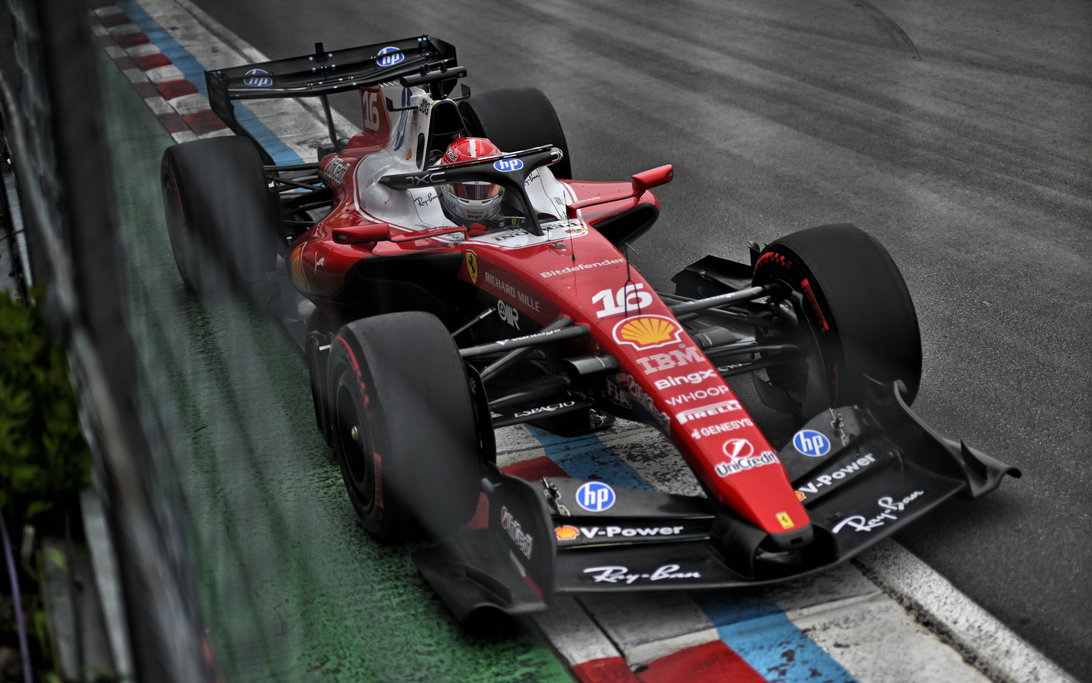
Charles Leclerc voices concern over reaching a fair agreement on Formula 1’s 2027 power unit rules, warning that aligning diverse engine concepts presents the biggest challenge.
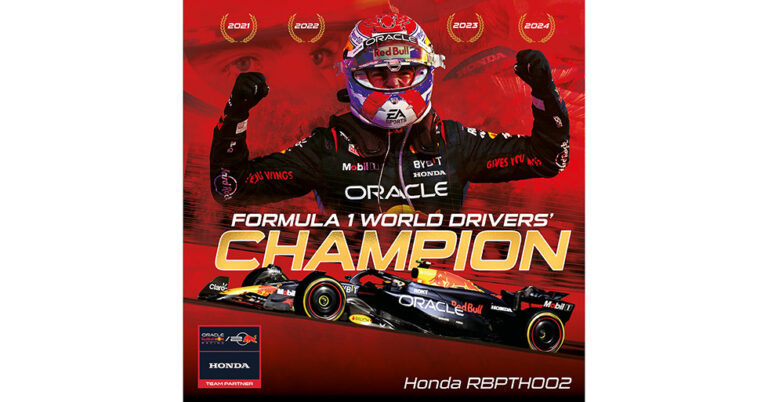
The proposal moves the 50/50 combustion‑electric split to 60/40 favoring electrification from 2027, a change Verstappen calls the minimum required to remain competitive.

The proposed 60/40 electrification split from 2027 is framed by Verstappen as the minimum to stay competitive.
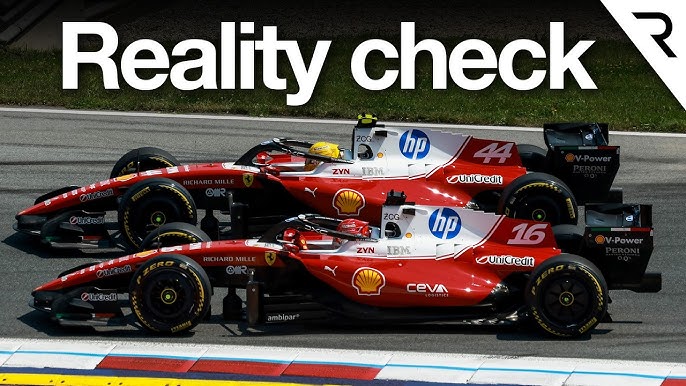
Initial post-Miami briefings suggested broad support, but positions hardened by Canada. Reports indicate Ferrari, Audi, and Cadillac object, effectively stalling the proposal during discussions in Montreal.
Leclerc stresses that the trickiest point is fairness. Manufacturers have pursued divergent architectures under the existing framework, raising the risk that tweaks could advantage one pathway over another.
The debate follows the sport’s biggest recent regulatory overhaul. Teams have invested years of resource into current concepts, tempering appetite for change and sharpening scrutiny of any mid‑cycle adjustment.
Leclerc: “Altering the regulations without disrupting years of groundwork is the trickiest point.”
Technically, recalibrating electrical deployment, energy recovery limits, and fuel flow must preserve performance parity. Small shifts in energy windows or mapping can distort competitive balance across differing designs.
Negotiations between the FIA, Formula 1, and manufacturers continue, with caution over timing and scope. The paddock’s F1 rule change uncertainty underscores the need for a clear, durable settlement.
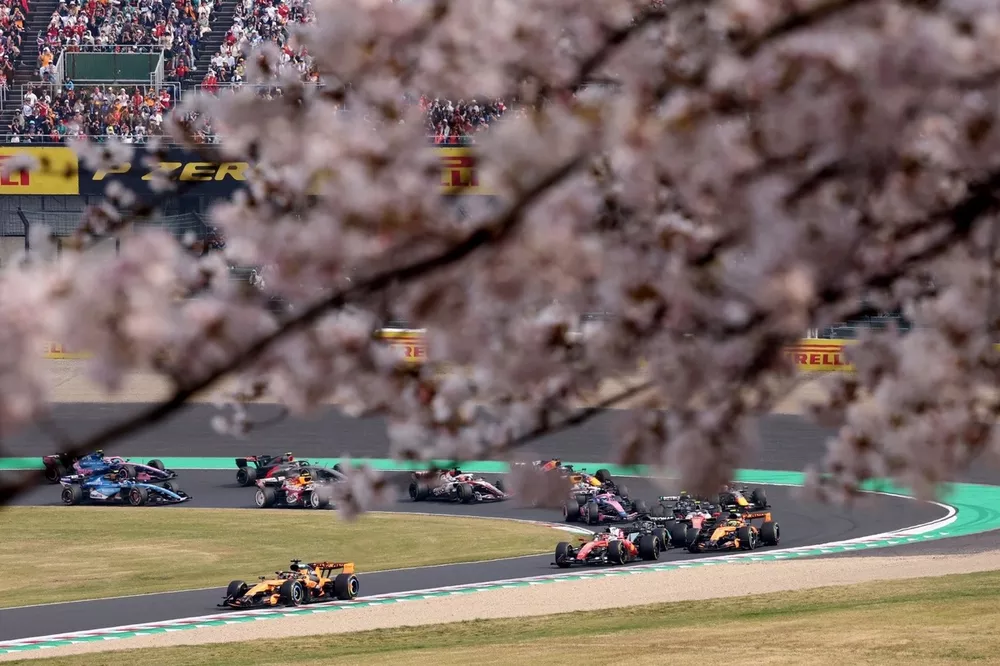
Leclerc welcomes steps already taken yet maintains further refinements are needed. He believes broad agreement is achievable, but contrasts in philosophy mean consensus will take time.
Ferrari, Audi, and Cadillac objections currently stall the 2027 proposal during ongoing talks.
His stance also echoes remarks made in Montreal, including Leclerc’s Canadian GP claim about balancing progress with stability.
The outcome shapes development priorities and the sport’s sustainability path. It also intersects with Ferrari’s performance drive and upgrade push as manufacturers balance efficiency and deployment.
The eventual decision will define F1’s technological direction and competitive order into 2027 and beyond. For Leclerc, progress matters only if fairness across concepts remains intact.
Visual Summary
Electrification
Combustion
Electrification vs. Engine:
Fairness is the Trickiest Point
Fairness is the Trickiest Point
Disagreement!
Ferrari, Audi & Cadillac
?
Block Power Split Shift
Ferrari, Audi & Cadillac
?
Block Power Split Shift
50/50
60% E
60:40 proposed split (Electrification:Engine)
(Current: 50:50)
(Current: 50:50)
?
F1 Teams
F1 Teams
?
Agreement?
Agreement?
?
Sustainability
Sustainability
“The trickiest point is to change the regulations without disrupting the groundwork laid over several years. Every team’s approach is different, so broad agreement will be complex.”
– Charles Leclerc

Daniel Miller reports on Formula 1 Grand Prix weekends with race-day analysis, team-radio highlights, and point-standings updates. He explains power-unit upgrades, aerodynamic developments, and driver rivalries in straightforward, SEO-friendly language for a global F1 audience.