https://shop.fervogear.com/cart

Liam Lawson Reacts Strongly to Upcoming F1 Rule Changes


Highlights
- Liam Lawson concerned about 2027 Formula 1 regulation changes.
- Power unit ratio proposed to shift to 60/40 combustion to electric.
- Ferrari and Audi oppose 60/40 split before 2028.
- Reduced downforce hurting racing dynamics and overtaking opportunities.
- Max Verstappen may quit F1 if formula remains unchanged post-2027.
- Broader regulation overhaul needed beyond power unit ratio adjustments.
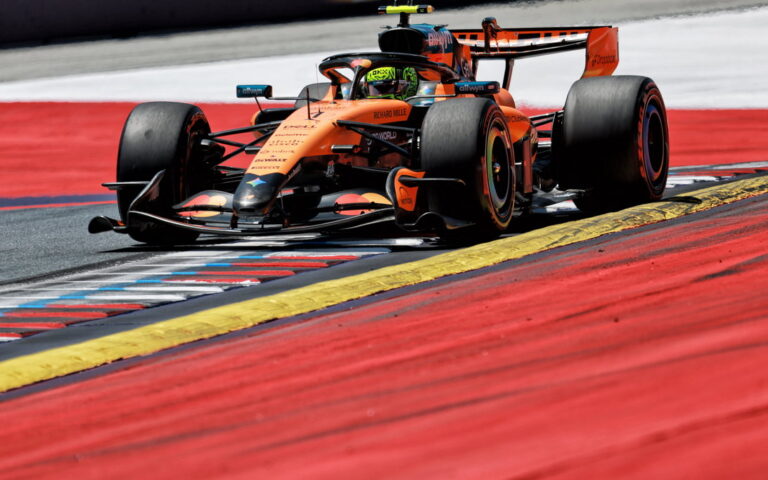
Liam Lawson warns that Formula 1’s planned 2027 package needs more than a power unit tweak. He argues the proposed 60/40 combustion‑electric split will not fix core racing problems.
The current 50/50 balance draws widespread criticism. Max Verstappen, frustrated by the formula’s limitations, has suggested walking away after 2027 if nothing meaningful changes.

Timing remains contentious. Ferrari and Audi oppose adopting 60/40 before 2028, preferring stability while development cycles mature, complicating efforts to align chassis and power-unit directions.

Lawson’s greater concern is aerodynamic load. He says reduced downforce, influenced by energy limits and efficiency targets, hurts stability and following more than the power split itself, as he outlined recently.
Lower downforce, not the power split alone, is undermining racing.
That reduction shrinks the overtaking window. Drivers struggle to sustain tyre temperature while following, so moves need bigger deltas and longer preparation, blunting race craft and spontaneity. See Lawson’s hopes for a broader reset.
A 60/40 shift should improve deployment headroom and drivability on straights. But without more downforce, corner entry confidence and tyre management remain the limiting factors across stints.
Energy management dominates the current formula. Lift‑and‑coast and battery conservation shape stint rhythm, leading to slower qualifying peaks and conservative race pacing versus earlier eras.

Max Verstappen may quit F1 if the formula stays unchanged after 2027.
The constraints also influence competitive order. Teams prioritise ERS efficiency, drag levels, and cooling. A combustion‑heavier map could reweight packaging demands and create new winners and losers.
Process now drives outcome. The FIA and Formula 1 seek consensus, yet divergent manufacturer interests could delay meaningful change to 2028 unless a supermajority backs an earlier shift.
Ferrari and Audi resist a 60/40 shift before 2028, complicating consensus.
Lawson welcomes progress but stays cautious. He expects testing to expose limits and urges a broader package, a view shared across rival teams balancing showpiece racing with technology relevance.
Visual Summary
?
Lawson:
Engine change alone won’t fix F1’s biggest racing issues.
Engine change alone won’t fix F1’s biggest racing issues.
“Less downforce ? means less grip, tougher overtakes, and less excitement—no matter the engine split.”
Power ratio changes (60/40) are coming –but the real debate is aero & energy rules!
Lift
Coast
Can F1 fix the spectacle with engine tweaks, or
is it time for a full rethink?

Daniel Miller reports on Formula 1 Grand Prix weekends with race-day analysis, team-radio highlights, and point-standings updates. He explains power-unit upgrades, aerodynamic developments, and driver rivalries in straightforward, SEO-friendly language for a global F1 audience.