https://shop.fervogear.com/cart
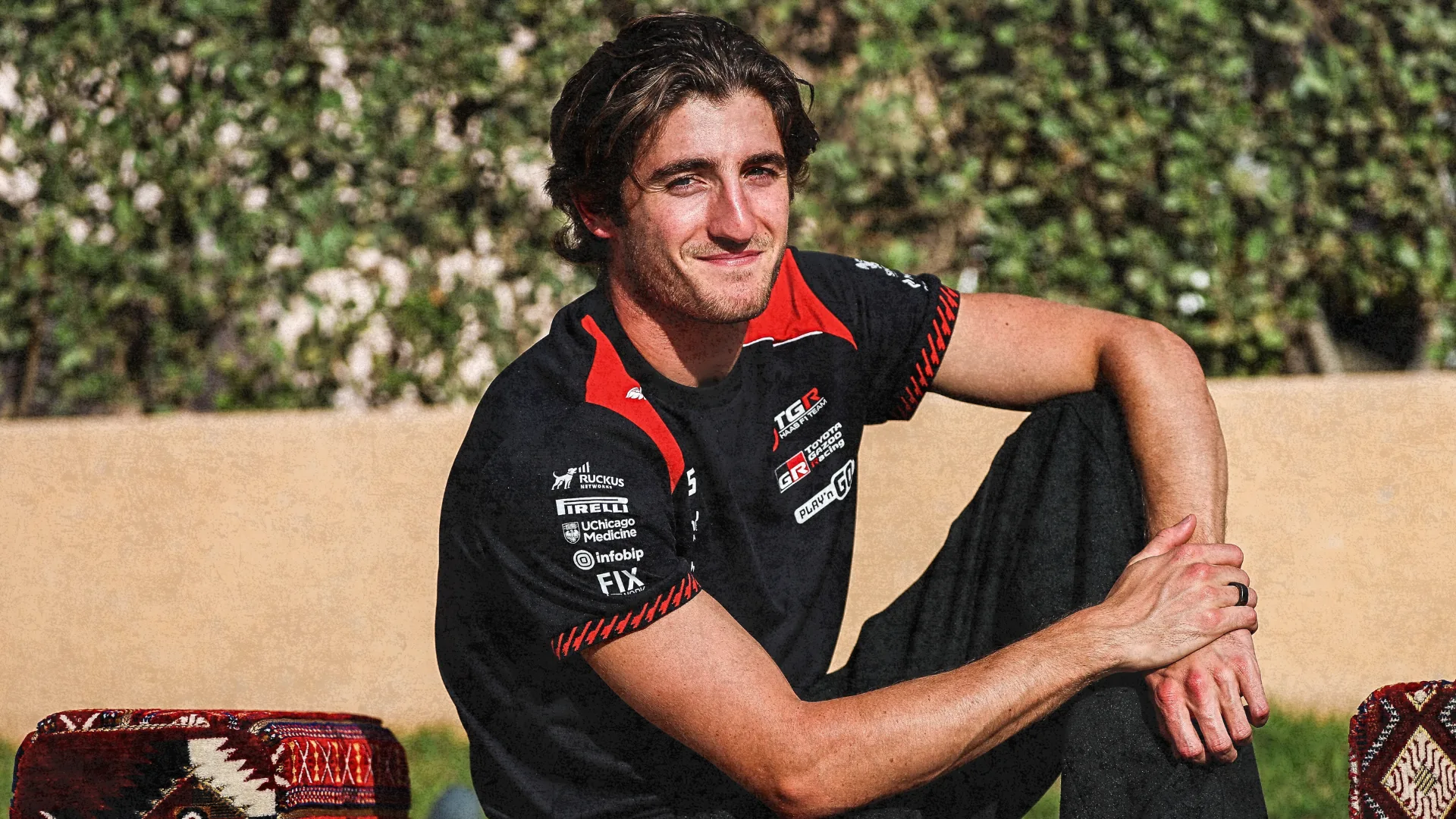
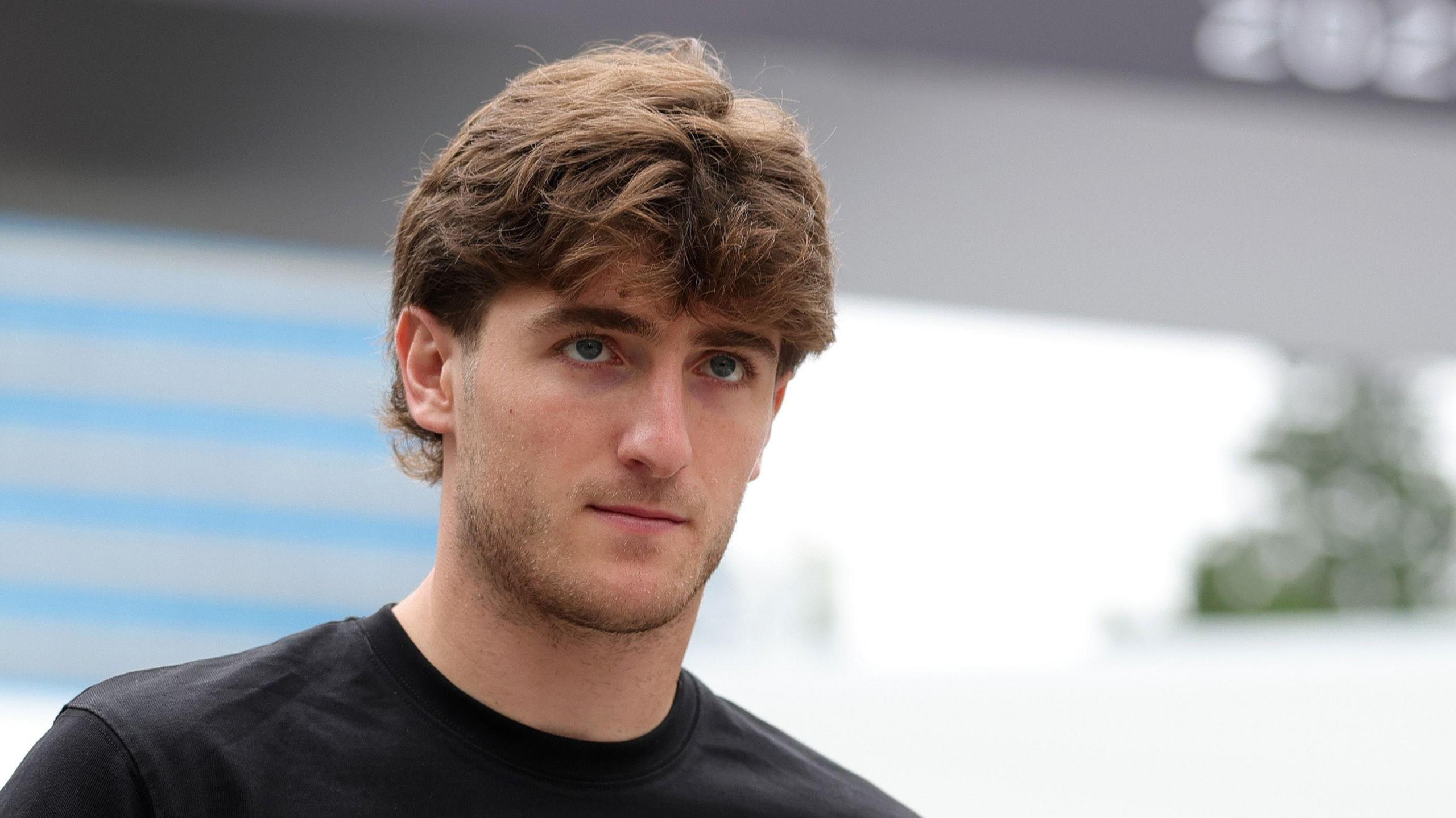
Doohan Boosts Haas Impact as Their Dynamic Reserve Driver

Highlights
- Jack Doohan became Haas reserve driver in February 2026.
- Doohan supports Haas drivers Ollie Bearman and Esteban Ocon.
- Reserve drivers must stay ready to race anytime during weekends.
- Doohan contributes feedback aiding car setup and race strategy.
- He also competes in European Le Mans Series endurance races.
- Reserve role helps Doohan deepen technical and team understanding.
After seven Formula 1 starts with Alpine, Jack Doohan takes Haas’s reserve role from February 2026, supporting Ollie Bearman and Esteban Ocon while sharing duties with fellow stand‑in Ryo Hirakawa.
The remit extends beyond availability. Reserves must be race‑ready, as Bearman replacing Carlos Sainz in Saudi Arabia 2024 and Liam Lawson covering Daniel Ricciardo at Zandvoort 2023 underline.

Doohan became Haas reserve driver in February 2026.
Doohan integrates into briefings, simulator work, and garage runs, often acting as the closest sounding board to the race drivers, offering fresh perspective that complements live data and engineering analysis.
That feedback becomes decisive on Sprint weekends, where one practice limits setup iteration. His observations on lines, braking references, and car positioning guide balance choices under time pressure.
Sprint weekends magnify the value of precise feedback and car positioning.
At Montreal, incremental gains through Turns 1–2 and the final chicane mirror Haas’s methodical approach, contributing to their P10 finish in Canada despite limited calibration time.
Reserve drivers must be ready to race at a moment’s notice.
Street circuits like Monaco and stop‑start layouts like Canada demand different ride and traction compromises. Pre‑event expectations often shift once grip evolution and bumps reveal the true operating window.
The information load is relentless. Doohan triangulates inputs from multiple engineers, filtering noise to highlight actionable items, whereas race drivers manage narrower channels focused on extracting their lap‑time potential.
That breadth accelerates his systems understanding, from tyre preparation priorities to parc fermé constraints, tightening the loop between simulator correlation and trackside decisions during condensed weekends.
Doohan balances the role with European Le Mans Series outings, while Hirakawa races in the World Endurance Championship. Their calendars stagger to cover around ten or eleven F1 events.
Schedules are coordinated to attend around ten or eleven Grands Prix each year.
Effectiveness is judged quietly. Reserves rarely have simple metrics, so credibility comes from timely insight, error‑free preparedness, and the ability to step in without disrupting processes.
This season’s driver market adds further intrigue. Any shift around Esteban Ocon, amid rumours linking his future elsewhere, could elevate Doohan’s relevance internally.
Equally, wider moves, including Mercedes’ Kimi Antonelli trajectory, shape opportunities across the grid, reinforcing why Haas benefits from a reserve fully embedded in its decision‑making.
For now, Doohan’s priority is unchanged: maximise Haas’s weekend execution and remain ready for the call, whether it arrives on Thursday morning or 30 minutes before qualifying.
Visual Summary
Ocon
?
?
Bearman
?
?
RESERVE
Doohan
?
“Ready If Called”
Doohan
?
“Ready If Called”
Hirakawa
?
?
⚡️
The Reserve Driver Switch:
?
Ready at a moment’s notice—Jack Doohan’s job is one heartbeat away from racing.
Duties: observe, advise, be the human backup drive.
Duties: observe, advise, be the human backup drive.
7
F1 Races (Alpine)
10–11
GPs Present/Year
“Observe. Support. Step in ? if needed.”
High-Pressure role. Never certain. Always prepared.
Alpine
⬇️
Haas
2026
⬇️
Haas
2026

Daniel Miller reports on Formula 1 Grand Prix weekends with race-day analysis, team-radio highlights, and point-standings updates. He explains power-unit upgrades, aerodynamic developments, and driver rivalries in straightforward, SEO-friendly language for a global F1 audience.
Related FervoGear guide: custom race suits built for driver protection, custom fit, and sponsor-ready design.