https://shop.fervogear.com/cart

Controversial ADUO Ruling Sparks Major Impact Nationwide

Highlights
- FIA shared ADUO system findings with all Formula 1 teams.
- ADUO allows extra engine upgrades within cost cap limits.
- Red Bull-Ford set benchmark; Mercedes lagged by over 2%.
- Ferrari, Audi, Honda earned two extra upgrades for 2026 and 2027.
- FIA may revise power formula or scrap ADUO system.
- ADUO’s impact on reducing performance gaps remains uncertain.
The FIA circulates initial ADUO findings to all teams after six races, defining development allowances that could reshape the power-unit order under the cost cap.
Designed to curb costs and promote convergence, the ADUO system gives slower manufacturers extra in-season and next-season upgrades, plus additional testing, while remaining within financial restrictions.
Performance differences are measured using torque sensors fitted to every car. The strongest customer or works example sets each manufacturer’s benchmark, limiting chassis noise in the dataset.
The FIA weights power at the start of straights more heavily, then applies a formula to produce an engine performance score versus a reference power unit.
Nikolas Tombazis previously proposed a deeper model covering turbo size, operating temperatures, and backpressure. Manufacturers opted for a simpler, horsepower-led approach.
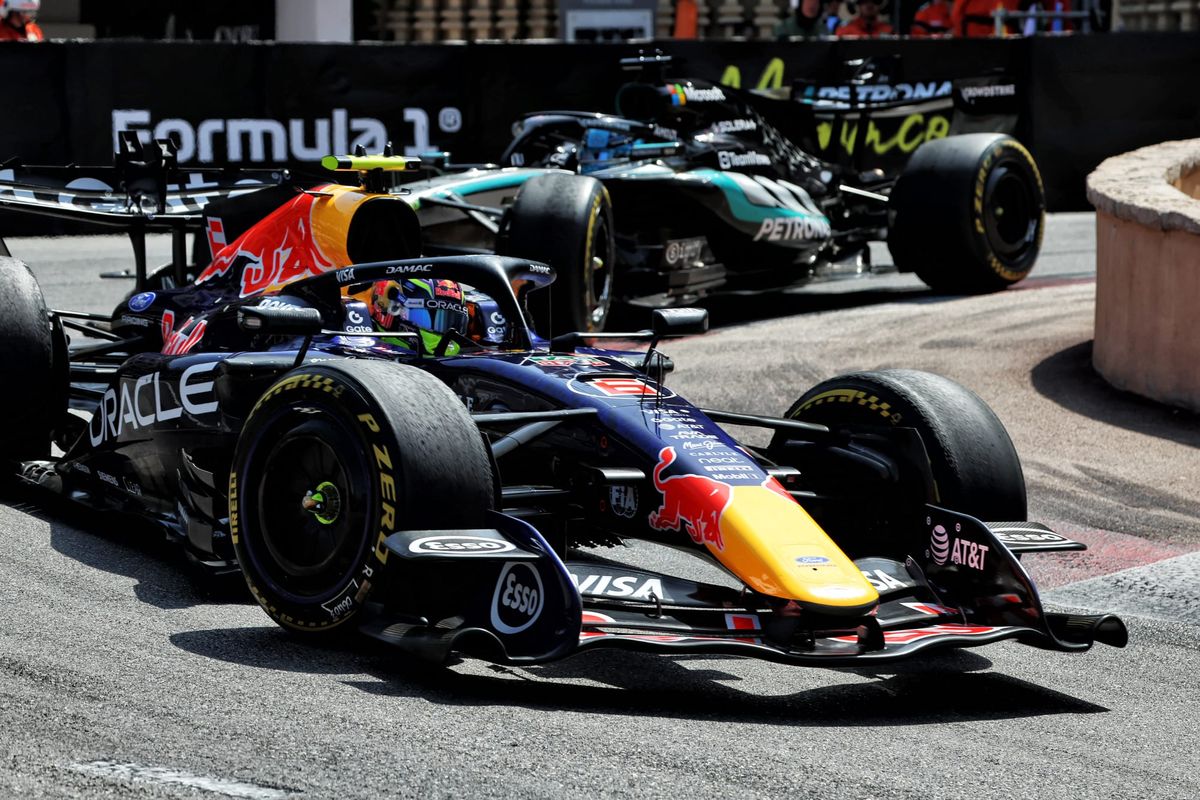
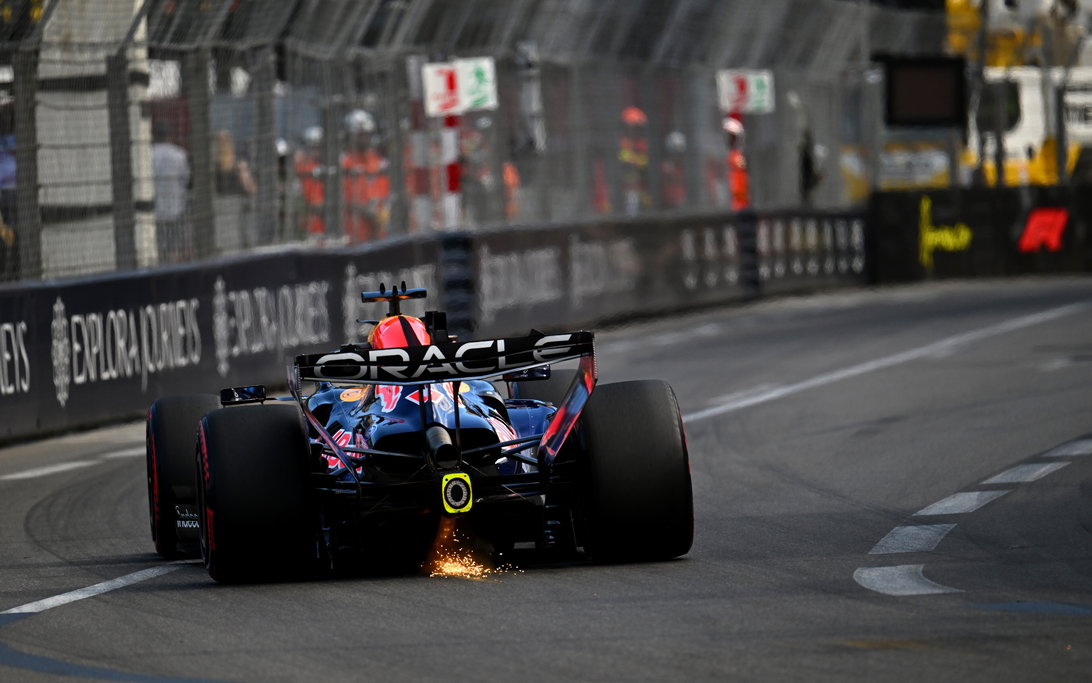
Red Bull-Ford sets the reference; Mercedes is over 2% adrift, with Ferrari, Audi, and Honda beyond 4%.
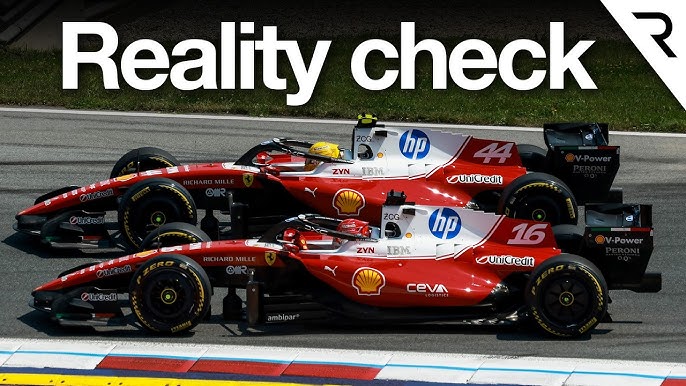
Post-Monaco letters confirmed the picture. Mercedes receives one permitted upgrade this year and one next. Ferrari, Audi, and Honda gain two this season and two in 2027.
The outcome surprises many who expected Mercedes to lead on peak power. Debate now focuses on fairness, methodology, and whether the metric captures true performance.
The FIA may revise the power formula or scrap ADUO entirely. Any change would intersect with looming 2026 power-unit regulatory adjustments.
ADUO primarily addresses internal combustion gains. It does not fully capture hybrid deployment, risking a scenario where ERS-strong packages extend advantages despite ICE upgrades.
ADUO targets combustion gains, but hybrid deployment advantages could persist unchecked.
Ferrari resists hardware rule changes that might dilute ADUO’s intended benefit. With Mercedes cleared to evolve its ICE, questions grow over the mechanism’s longevity.
Including data from works and customer teams improves robustness, yet cooling capacity, drivability, and energy deployment strategies still influence how power translates into lap time.
The FIA’s next step—refine the metric or abandon ADUO—will set the competitive tone into 2027.
If the objective is convergence, early signs are mixed. Many await the FIA’s response to this controversial outcome and what it signals for competitive balance across 2026 and beyond.
Visual Summary
?️
Ferrari/
Audi/Honda
Audi/Honda
BOOST
BOOST
?
Mercedes
BOOST
FIA “engine equality” scale tips unexpectedly—debate erupts in F1 paddock!
Reference
Red Bull-Ford
Red Bull-Ford
Engine deficit vs. reference:
Ferrari/Audi/Honda
↓ >4%
2 extra upgrades
↓ >4%
2 extra upgrades
Mercedes
↓ 2%
1 extra upgrade
↓ 2%
1 extra upgrade
?
Mercedes—expected to lead—finds itself behind on power.
FIA’s method & rules now under fire.
2026?
All eyes on FIA’s next move — will balance finally be restored?

Zane Muniz writes across NASCAR, IndyCar, F1, IMSA, NHRA, and dirt-racing news. His breaking-news alerts and event previews ensure motorsport fans never miss a lap, drift, or drag-strip showdown.
Related FervoGear guide: custom drag racing suit built for driver protection, custom fit, and sponsor-ready design.