https://shop.fervogear.com/cart

Hamilton’s True Barcelona Speed Edge Uncovered

Highlights
- Hamilton won 2026 Barcelona GP aided by virtual safety car (VSC).
- VSC triggered on lap 40 during Alonso’s Aston Martin stop.
- Hamilton’s final 19.561-second lead reflected tyre, pace advantages.
- Russell struggled in final stint due to front wing handling issues.
- Mercedes and Ferrari agree Hamilton was strongest driver late race.
- VSC eased victory but Hamilton likely would’ve won without it.
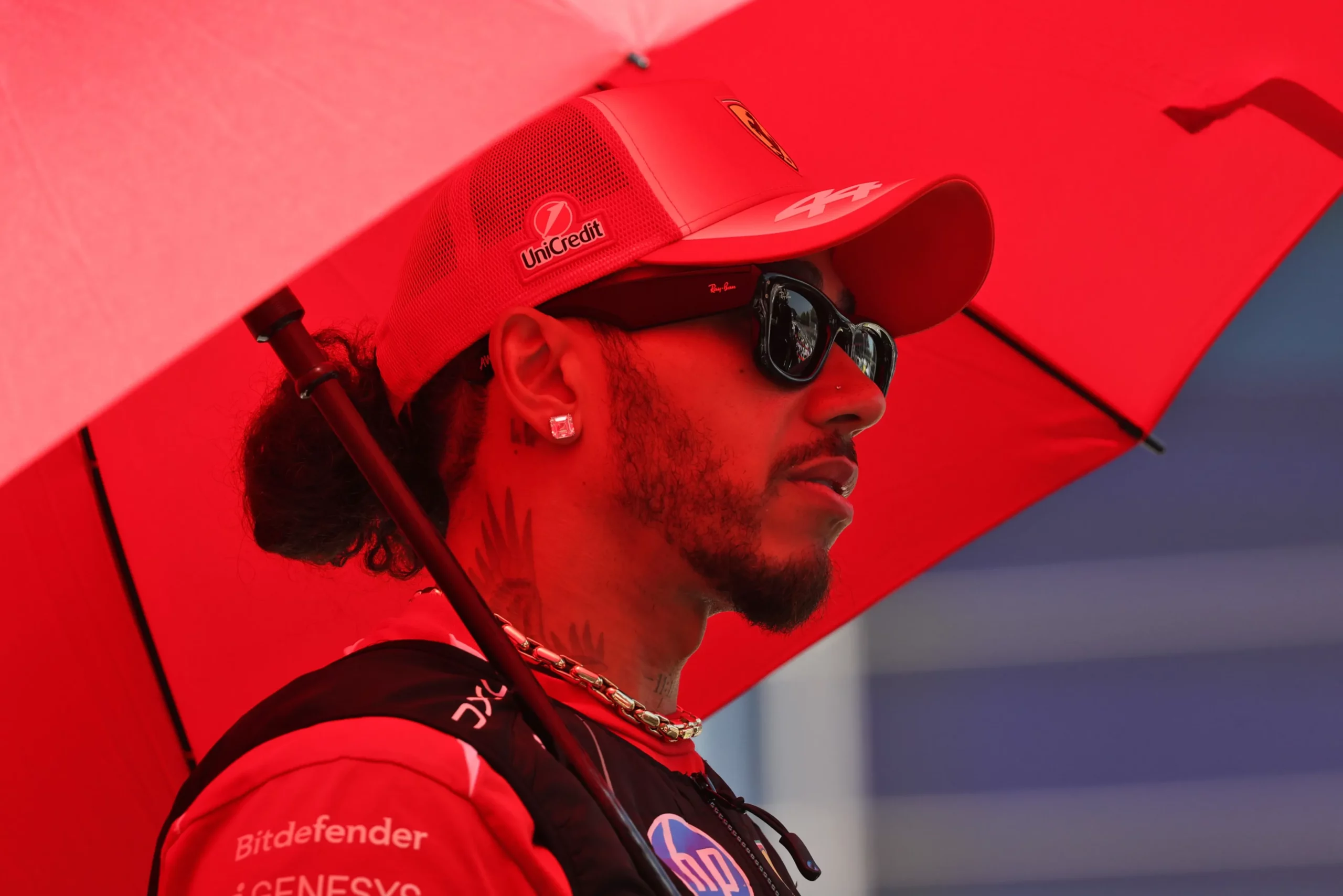
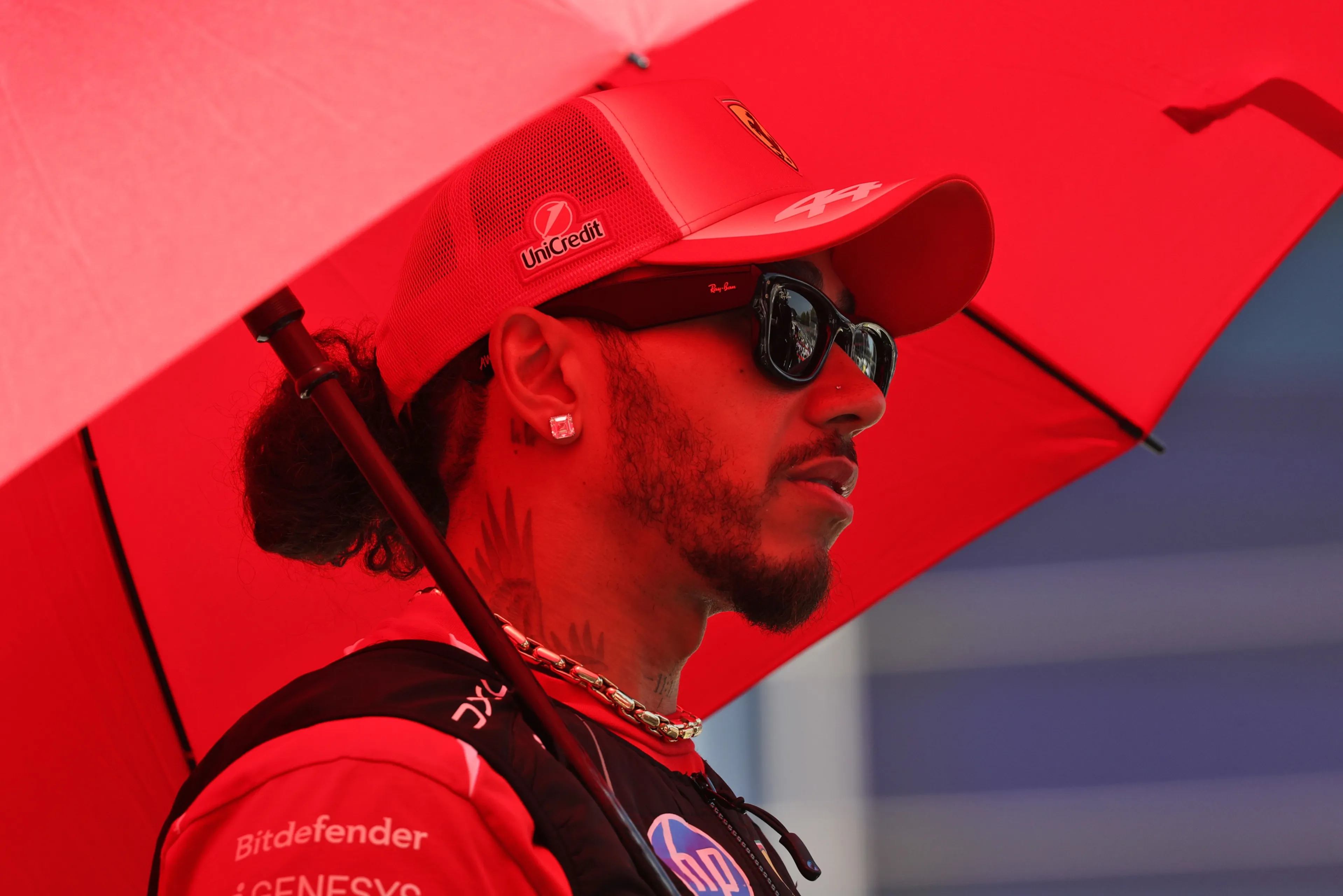
Lewis Hamilton wins the 2026 Barcelona Grand Prix after a timely virtual safety car, which shapes strategy and removes traffic risk. The evidence suggests it eases, rather than decides, the victory.
The VSC arrives on lap 40 when Fernando Alonso stops his Aston Martin. Hamilton pits immediately, retains track position, and controls the run-in to beat George Russell by 19.561 seconds.

The margin flatters raw pace. Track temperatures spike and tyre degradation is severe, distorting stint profiles and amplifying offset timing through traffic windows.
Tyre wear costs around 0.15s per lap, turning pit timing into a decisive pace multiplier.
Both Mercedes drivers shadow each other through the first stops, indicating no early runaway pace. Ferrari commits to a three-stop, adding strategic jeopardy for the two-stoppers.
Hamilton pits on lap 27; Russell goes to lap 36. That nine-lap offset equates to roughly 1.35s per lap in theoretical delta, swinging advantage across phases as tyre life flips.
Hamilton times his VSC stop on lap 41 and emerges with tyres five laps fresher than Russell’s.
The VSC stop yields a cleaner endgame. Hamilton’s tyres are five laps fresher than Russell’s and four fresher than Kimi Antonelli’s, worth about 0.75s per lap on degradation alone.
Actual lap time gain fluctuates. Some laps show only 0.3s advantage; others stretch to 1.2s, reflecting traffic, management, and stint profiles rather than pure car pace.
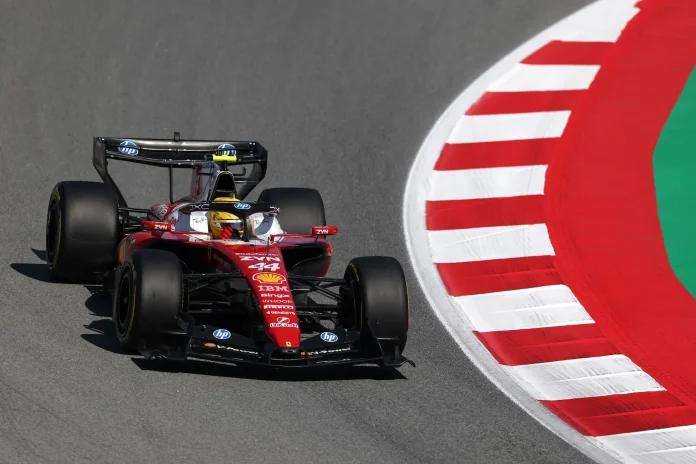
Russell’s final stint is compromised by a front wing adjustment error, hurting balance and tyre usage. Hamilton, in clear air, avoids traffic-induced thermal stress and keeps pace metronomic.
Pirelli’s Simone Berra explains the three-stop is faster on paper. The risk lies in rejoining behind Lando Norris, Antonelli, or Russell, where tyre delta can evaporate in traffic.
“Fastest after the stops” is Mercedes’ read on Hamilton, with Wolff confident he would have been hard to contain even without the VSC.
Team bosses broadly align. Toto Wolff argues Hamilton is the post-stop benchmark. Fred Vasseur believes Ferrari is well placed, yet concedes the outcome would be tight without the VSC.
Mercedes’ analysis indicates Hamilton likely takes the lead a few laps from the end, but by a far smaller margin than 19.561 seconds. The VSC mainly removes friction and risk.
The final gap exaggerates the true performance spread; strategy and offsets define Barcelona more than outright pace.
The race underlines how tyre life, pit windows, and traffic management dictate outcomes at Barcelona. Execution and clarity of plan prove decisive for Hamilton and Mercedes.
The victory slots into a broader narrative of Spanish success, building on his Barcelona Grand Prix win analysis and the strategic layers of Hamilton and Ferrari’s late-race duel.
It also extends a body of records in Spain, explored in his record-setting Barcelona performance, and aligns with the season’s evolving competitive picture since pre-race Barcelona expectations.
Visual Summary
19.561s
?
⏱️
Lap 40: VSC
Hamilton’s Stunning Timing Triumph
VSC Pit Stop turns a tight battle into
the widest winning margin of the 2026 F1 season.
the widest winning margin of the 2026 F1 season.
19.561s
Gap to Russell
Gap to Russell
5 laps
Fresher Tyres
Fresher Tyres
0.75s/lap
Tyre Advantage
Tyre Advantage
?️Russell/Ferrari
⬅️
➡️
➡️
?Hamilton
Strategy vs Skill — VSC tips the scale
Hamilton’s
timing & tyre mastery turned a tough fight into record-breaking Barcelona supremacy.
timing & tyre mastery turned a tough fight into record-breaking Barcelona supremacy.

Daniel Miller reports on Formula 1 Grand Prix weekends with race-day analysis, team-radio highlights, and point-standings updates. He explains power-unit upgrades, aerodynamic developments, and driver rivalries in straightforward, SEO-friendly language for a global F1 audience.
Related FervoGear guide: custom race suits built for driver protection, custom fit, and sponsor-ready design.