https://shop.fervogear.com/cart

Which Tyres Are Top Teams and Drivers Choosing for Austria?

Highlights
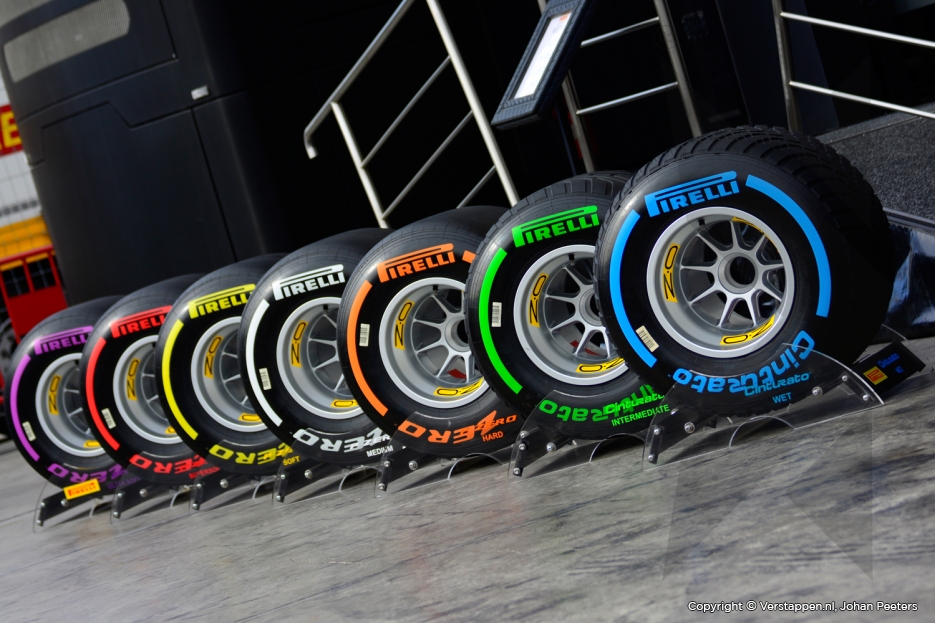
- Pirelli selects C3, C4, C5 compounds for 2026 Austrian Grand Prix
- Drivers receive two hard, three medium, and eight soft tyre sets
- Top ten qualifiers get an extra soft tyre set for Q3
- Race mandates use of two different slick compounds if dry
- Red Bull Ring features high elevation and thermal tyre degradation
- Weather variability expected, impacting race strategies and tyre choices
Pirelli confirms the C3, C4 and C5 compounds for the 2026 Austrian Grand Prix at the Red Bull Ring, round eight, anticipating high track temperatures and a grip-sensitive weekend.
The allocation is two hards, three mediums and eight softs per driver, with intermediates and full wets available. Q3 qualifiers earn an extra soft set under the tyre allocation rules.

Drivers reaching Q3 receive an additional soft set, sharpening the qualifying trade-off between grip and tyre retention.
Dry races mandate at least two different slick compounds, shaping pit windows and stint lengths. That regulation keeps strategy central even with the softest range in use.
The Red Bull Ring’s compact, stop‑go layout couples heavy braking with hard traction zones. Rear tyres carry the brunt, especially exiting Turns 1, 3 and 4 after steep decelerations.
Aging, abrasive asphalt accelerates thermal degradation and amplifies rear slip. That trend is a key focus for teams such as Ferrari as they chase consistent race pace.
Thermal degradation from the Red Bull Ring’s rough surface is expected to make the race rear‑limited.
Track evolution should be pronounced, with rubber build-up improving grip through practice and qualifying. Drivers must still manage downhill braking points to avoid overheating fronts and compounding wear.
At 660 metres altitude, reduced air density trims downforce and cooling. That raises slip and locking risk, a concern Honda has flagged while adapting to the circuit’s downhill braking.
Last year tended toward two stops with all three compounds used. Improved 2026 tyre consistency could nudge teams toward one stop, provided degradation and track position cooperate.
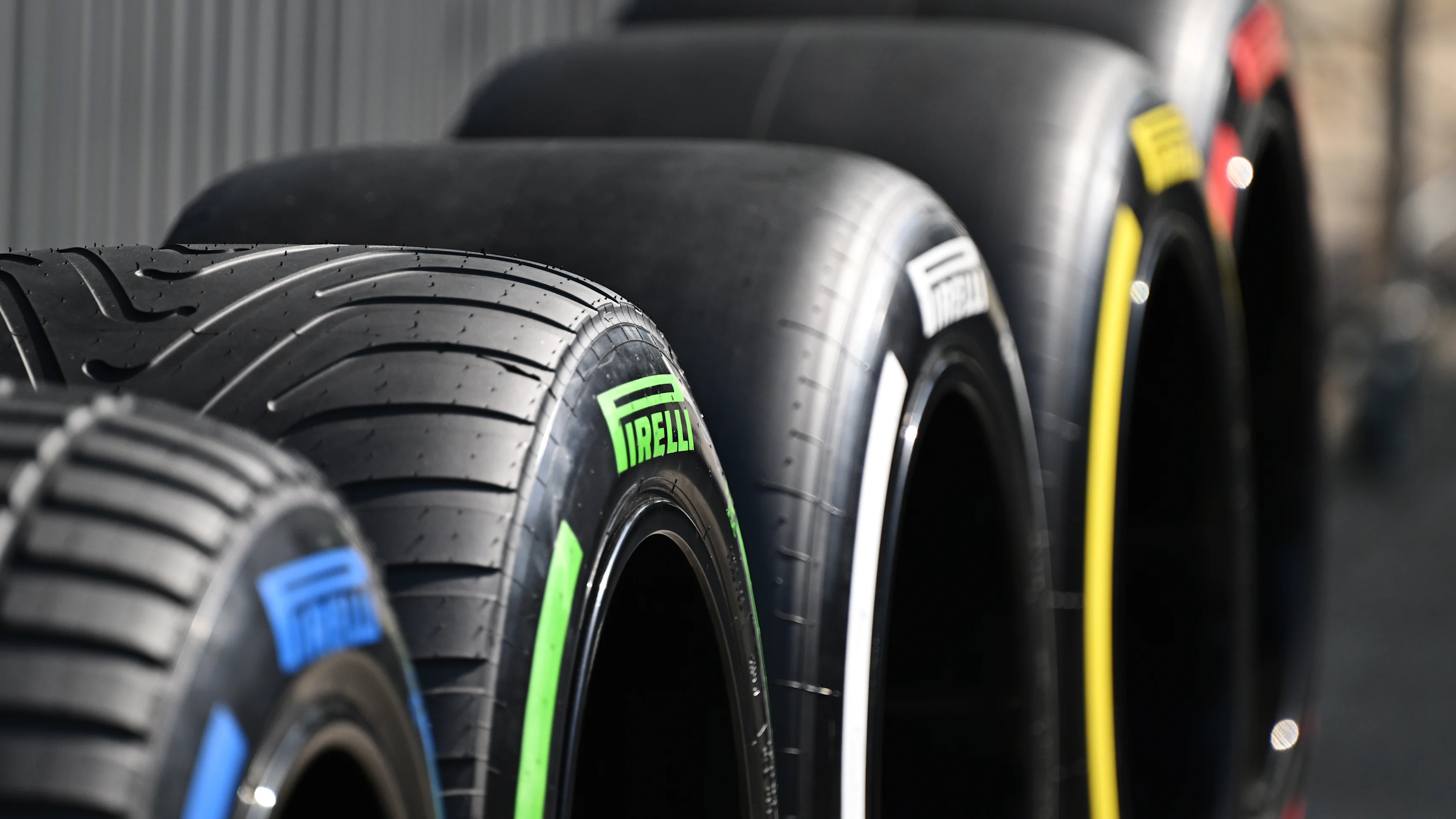
Weather remains a wild card in Styria. Temperatures may echo Barcelona, yet showers can arrive suddenly, reshaping stint targets and crossover points between slicks and intermediates.
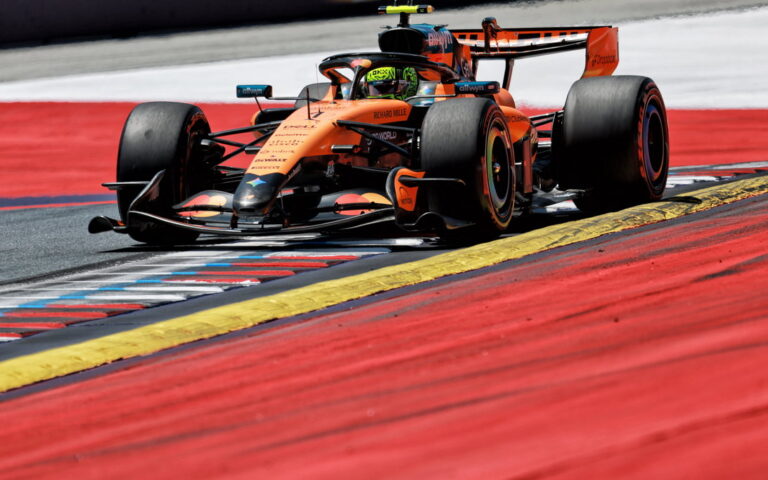
That variability already features in McLaren’s Austrian GP forecast this week.
A one‑stop is feasible, but safety cars and thermal fade could reopen two‑stop windows.
With C3–C5 selected, stint pacing will hinge on rear traction management and brake stability. Undercut potency should be high early, then fade as rubber builds.
Expect divergent approaches between track position and tyre life. That strategic spread, alongside the new power‑unit characteristics, leaves meaningful unknowns heading into Spielberg.
Visual Summary
C3
C4
C5
660m
Above sea
?
Downhill braking
Downhill braking
2026 Austrian GP Tyre Challenge
Softest compounds (C3/C4/C5) for blistering pace
8 sets Soft • 3 sets Medium • 2 sets Hard
High temps. Elevation. Unpredictable rain. Tyre strategy decides glory!
Softest compounds (C3/C4/C5) for blistering pace
8 sets Soft • 3 sets Medium • 2 sets Hard
High temps. Elevation. Unpredictable rain. Tyre strategy decides glory!
⛰️
660m elevation
660m elevation
?
High temp & wear
High temp & wear
?️
Unpredictable rain
Unpredictable rain
⚡
Fast, “stop–go” layout
Fast, “stop–go” layout
“Fast. Hot. Unpredictable. Every tyre call could change the outcome at the Red Bull Ring.”

Daniel Miller reports on Formula 1 Grand Prix weekends with race-day analysis, team-radio highlights, and point-standings updates. He explains power-unit upgrades, aerodynamic developments, and driver rivalries in straightforward, SEO-friendly language for a global F1 audience.
Related FervoGear guide: custom race suits built for driver protection, custom fit, and sponsor-ready design.