

https://shop.fervogear.com/cart

Live Updates: Get Ready for the Excitement Ahead of Belgium


Highlights
- 2026 Belgian Grand Prix at Spa-Francorchamps scheduled mid-July
- Spa circuit known for fast corners and unpredictable weather
- Max Verstappen leads championship; rivals include Norris, Leclerc, Russell
- Practice sessions crucial for testing technical upgrades and setups
- Supporting Formula 2 and 3 races included in race weekend
- Live coverage will feature analysis of weather and strategy changes
The 2026 Belgian Grand Prix takes place mid-July at the Spa-Francorchamps circuit, where teams chase crucial points on one of Formula 1’s toughest venues.
At over seven kilometers, Spa demands aerodynamic efficiency, mechanical compliance, and robust power-unit deployment across fast corners like Eau Rouge and Blanchimont, plus heavy compressions and extended flat-out sections.

Rapidly changing weather often dictates tyre choice and safety-car risk, with forecasts indicating sun, cloud, and showers across the weekend, as outlined in the 2026 Belgian Grand Prix weather updates.
Spa’s weather can swing strategy within a lap, reshuffling tyre calls and track position.
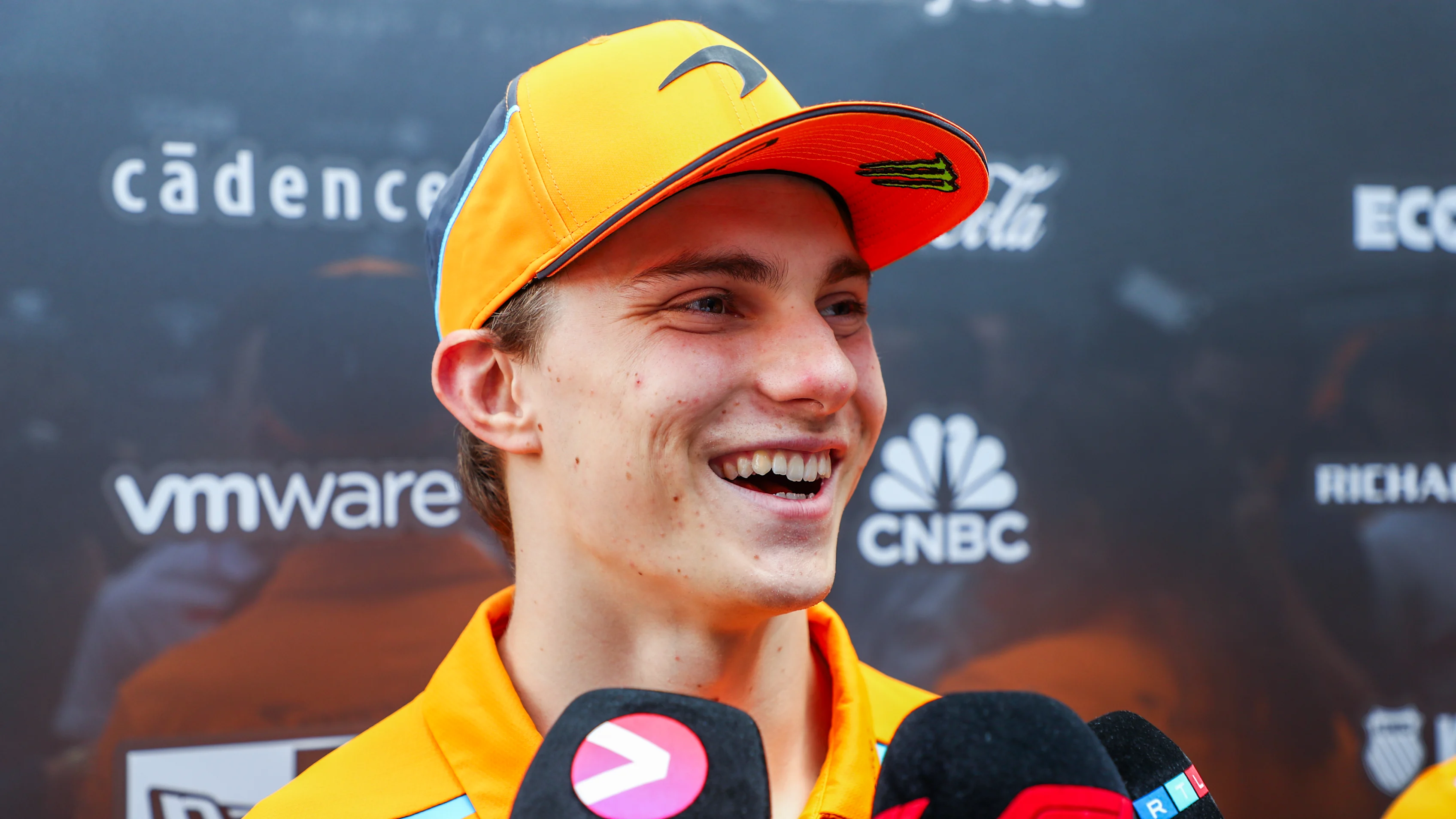
Max Verstappen leads the championship, but Lando Norris, Charles Leclerc, and George Russell view Spa as a reset opportunity, where variable conditions can compress performance and expose setup compromises.
Practice carries elevated value. Teams validate recent upgrades, correlate wind-tunnel and CFD expectations, and balance downforce versus drag for Kemmel straight efficiency without sacrificing stability through the middle sector.
Practice at Spa is vital for validating upgrades and balancing downforce versus drag.
Tyre selection remains pivotal, with warm-up sensitivity and graining risk in mixed conditions. Teams study degradation profiles using insights from tyres impact analysis to time stints and protect position.
Power-unit deployment is critical over the long lap. Energy recovery and deployment mapping affect overtaking probability on Kemmel, while drag sensitivity and DRS effectiveness shape strategic use of the tow.
Qualifying often hinges on timing. Securing a tow brings gains, but compromises cornering margins. Rapidly shifting weather can punish misjudged out-lap sequences and increase red-flag likelihood during marginal sessions.
Safety-car probability is meaningful, and Spa’s long pit delta elevates track-position value. Undercut strength varies with temperature and rain intensity, forcing flexible plans and responsive pit-wall communication.
Formula 2 and Formula 3 bolster the programme, offering representative rubber evolution and additional data points on grip changes that can recalibrate expectations for Formula 1 running across the weekend.
Support from Formula 2 and Formula 3 enhances rubber evolution data for race strategy.
Live coverage tracks setup trends, evolving weather windows, and strategic pivots throughout practice, qualifying, and the race, complementing broader context in the F1 Belgian Grand Prix hub.
With margins compressed and execution decisive, Spa again promises jeopardy and opportunity. The outcome likely influences championship momentum as teams chase reliability, efficiency, and adaptability under pressure.
Visual Summary
2026 Belgian Grand Prix: The Ultimate Test at Spa
Rain or shine, the world’s toughest 7km challenge returns. Elevation, speed, surprises, and championship drama await. Who will conquer the legend?
🏆
Verstappen leads the chase
🔥
Rivals: Norris, Leclerc, Russell
☔
Weather: Sun, cloud, surprise rain
7.004 km
Track Length
100m+
Elevation Change
Overtakes
🚀
🚀
Iconic Corners
Every lap: a new story. Will rain shake up the grid? Spa always delivers the unexpected!

Daniel Miller reports on Formula 1 Grand Prix weekends with race-day analysis, team-radio highlights, and point-standings updates. He explains power-unit upgrades, aerodynamic developments, and driver rivalries in straightforward, SEO-friendly language for a global F1 audience.