

https://shop.fervogear.com/cart

Revealing Ferrari’s Hungarian GP Rear Wing Secrets Explained

Highlights
- Ferrari modified front and rear wings for Hungarian Grand Prix.
- Rear wing changes add small winglets, not a new tilting design.
- Modifications aim to increase downforce for better low-speed cornering.
- Macarena 2.0, a new rear wing, targets high-speed circuits and Monza.
- Hungarian wing tweaks are tactical, not a major technical upgrade.
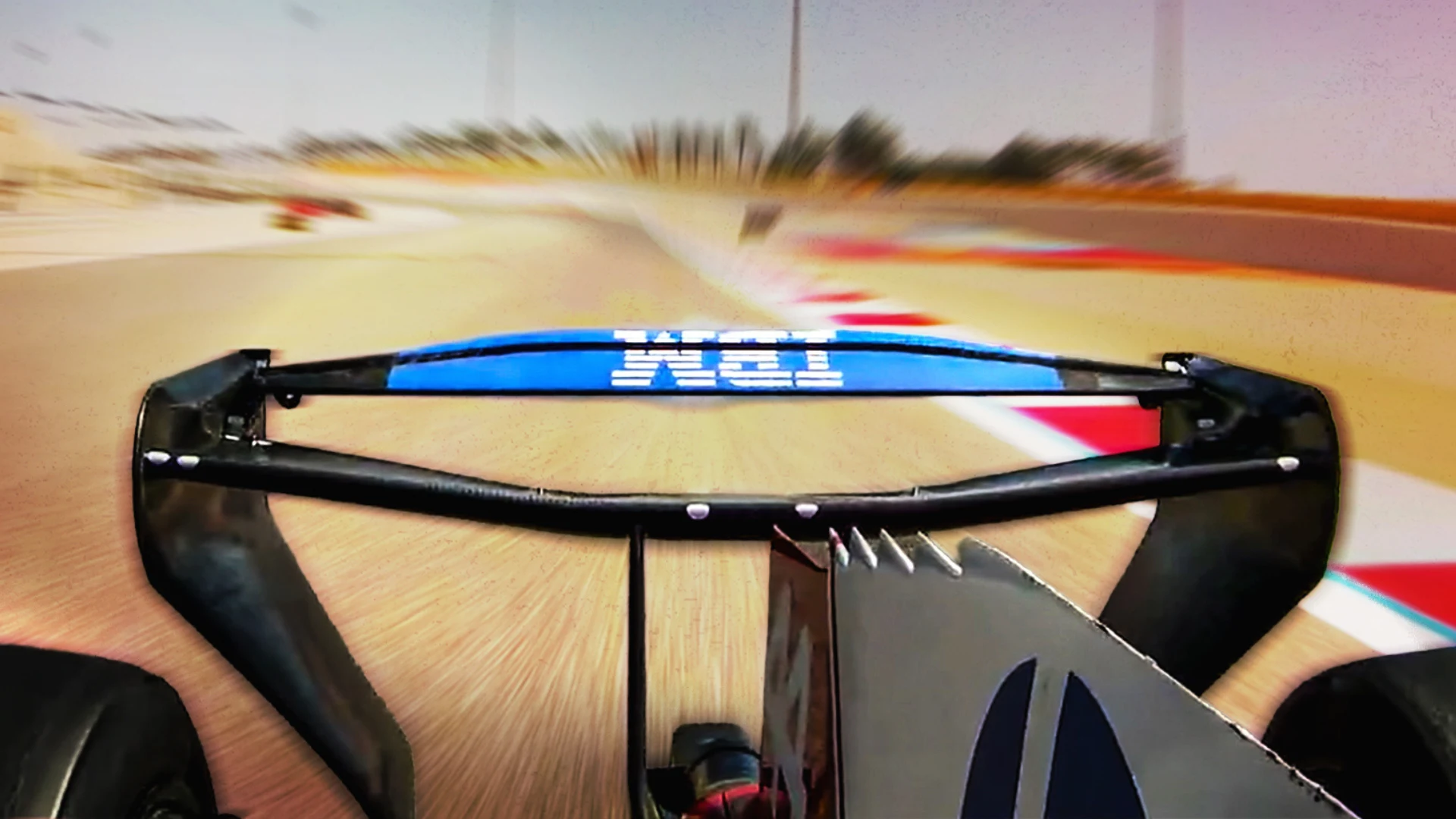
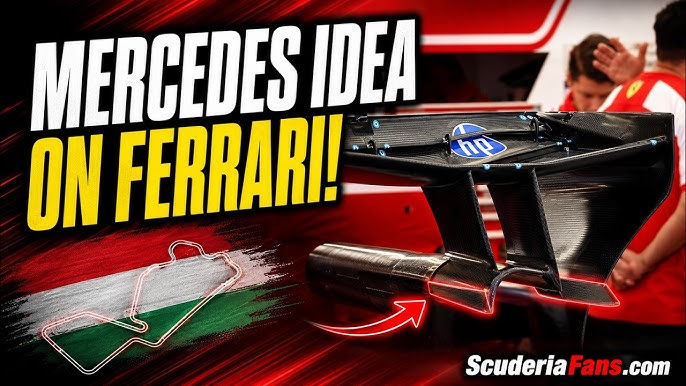
Ferrari’s rear wing design for the Hungarian Grand Prix draws scrutiny, as the SF-26 carries small trailing-edge winglets rather than a new tilting assembly, targeting extra downforce at the Hungaroring.
Hopes rise after Spa performance, yet Budapest’s tight layout demands maximum load. Teams, including Ferrari, adopt high-downforce packages, as outlined in our Hungarian Grand Prix guide.

Ferrari also refines the front wing to balance the package. The changes attract attention amid recent debate, following heightened scrutiny over Ferrari and Hamilton’s comments.
Reports of a Macarena 2.0 are inaccurate. The core tilting rear wing, with its movable central section, remains unchanged in architecture and operating principle.
The update adds two small winglets on the mainplane’s trailing edge, echoing the central profile. They increase local load and tidy flow, especially when the tilt mechanism works hardest.
Ferrari’s Hungary rear wing is not Macarena 2.0; it adds two trailing-edge winglets for extra load and flow control.
This is a circuit-led adjustment, not a platform evolution. Ferrari prioritises cornering grip and stability over drag, aligning setup with the Hungaroring’s emphasis on low-speed performance.
In parallel, Ferrari develops a true Macarena 2.0 for faster venues. That package targets drag reduction and stronger straight-line speed, with an expected Monza debut if validation stays on plan.
Macarena 2.0 is aimed at Monza, prioritising drag reduction and top speed.
Setup direction mirrors driver preferences. Both Lewis Hamilton and Charles Leclerc run high-downforce configurations for Budapest, seeking confidence on turn-in and traction. Leclerc’s outlook reflects that emphasis.
Rivals follow similar logic. McLaren introduces circuit-specific tweaks to sustain development pressure, underscoring how small, targeted changes can shift balance at a track with limited straights.
Hungaroring rewards downforce and stability; Ferrari trades drag for grip to suit the layout.
The outcome depends on correlation and tyre management across practice and qualifying. Ferrari targets incremental, confidence-building gains, with attention on SF-26 behaviour in traffic.
Visual Summary
Hungaroring Spec
Ferrari’s rear wing isn’t “Macarena 2.0″—it’s a circuit-specific tweak for peak grip in Budapest
⏫
High-Downforce Mode:
Custom winglets boost corner grip—not for straight-line speed!
Custom winglets boost corner grip—not for straight-line speed!
💡
Not the next Macarena:
Real rear wing upgrade is coming for Monza, not here.
Real rear wing upgrade is coming for Monza, not here.
🎯
Smart adaptation:
Ferrari fine-tunes for Hungary’s twisty corners—not a radical leap.
Ferrari fine-tunes for Hungary’s twisty corners—not a radical leap.
Current: Extra Downforce
→
Future: Less Drag (Monza)
Why does it matter?
Ferrari has not unleashed a radical rear-wing update at Hungary—just quick-thinking engineering to handle the circuit’s extreme demand for downforce. Watch to see if this smart tweak pays off for Leclerc, Hamilton, and the SF-26!
Ferrari has not unleashed a radical rear-wing update at Hungary—just quick-thinking engineering to handle the circuit’s extreme demand for downforce. Watch to see if this smart tweak pays off for Leclerc, Hamilton, and the SF-26!

Daniel Miller reports on Formula 1 Grand Prix weekends with race-day analysis, team-radio highlights, and point-standings updates. He explains power-unit upgrades, aerodynamic developments, and driver rivalries in straightforward, SEO-friendly language for a global F1 audience.