
https://shop.fervogear.com/cart

FIA President Reveals Exciting Update on V8 Engine Comeback

Highlights
- FIA president hints at V8 engine return by 2031.
- Formula 1 last used V8 engines in 2013 season.
- New power units launching in Formula 1 by 2026.
- Concerns raised over reliance on electrical systems in current engines.
- FIA emphasizes sustainability and use of sustainable fuels.
- Collaboration with teams, drivers, and manufacturers ongoing on engine plans.
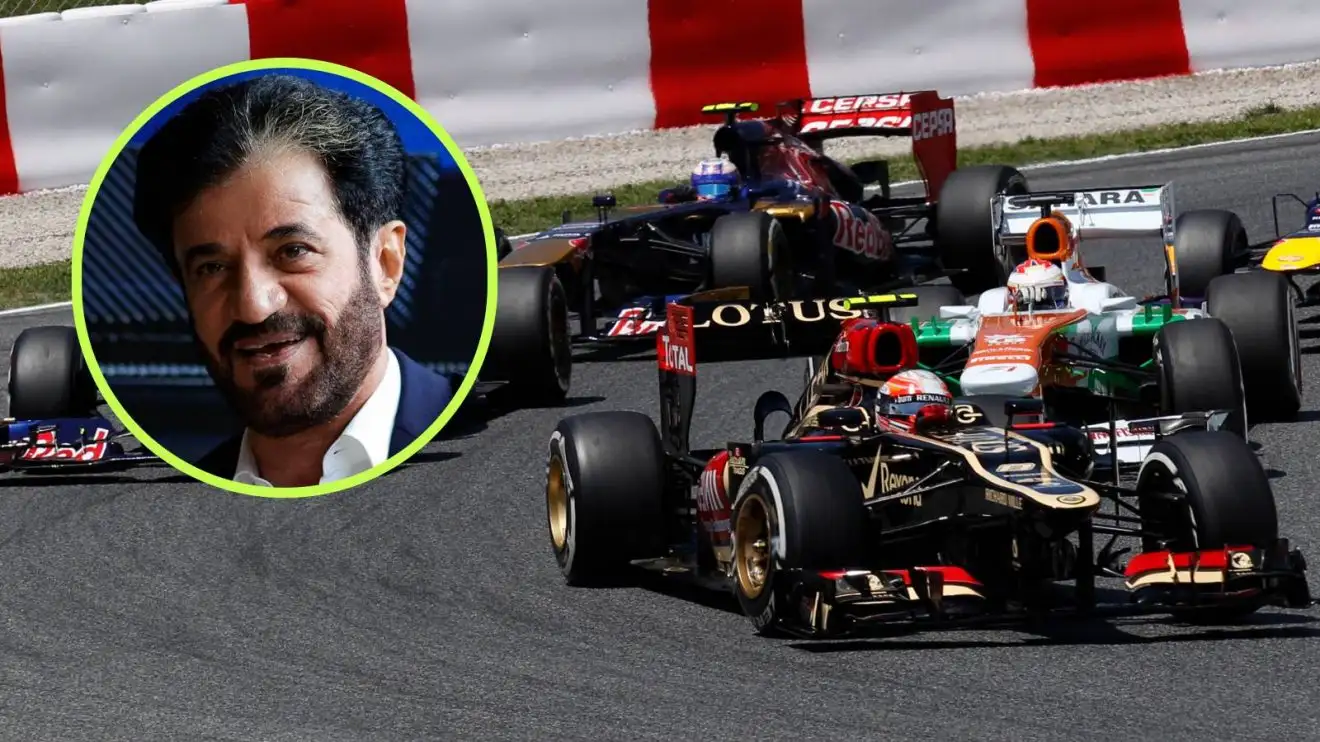
FIA president Mohammed Ben Sulayem signals that a V8 engine return remains under active consideration, with the early 2030s, and potentially 2031, framed as a realistic decision window.
Formula 1 last ran naturally aspirated V8s in 2013 before adopting turbo-hybrid V6s. The next step arrives with new power units in 2026, reshaping performance and cost dynamics across the grid.

Concerns persist about heavy electrical reliance and complex energy deployment. Ben Sulayem acknowledges earlier missteps yet points to recent competitive gains driven by feedback and iterative oversight.
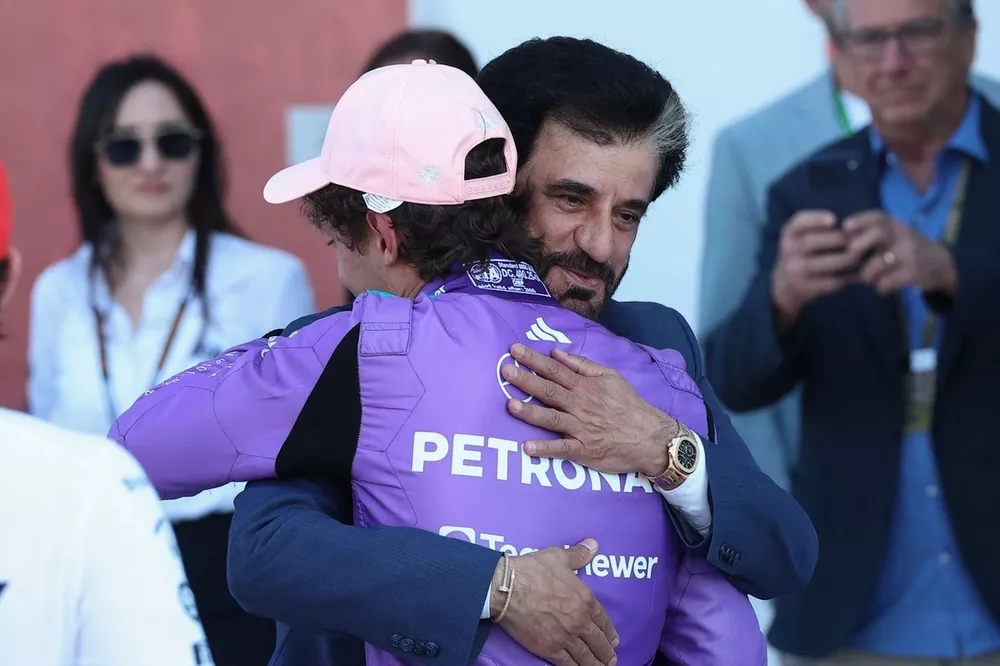
The FIA’s approach is explicitly collaborative. Teams, power unit manufacturers, and drivers are engaged to define targets through what Ben Sulayem describes as a fresh “white paper” engine concept.
Priorities are clear: improved sound, greater simplicity, and tighter cost control. Sustainability remains core, with continued commitment to advanced, sustainable fuels alongside robust environmental targets.
“We have to see what are the objectives… a fresh white paper engine that hits all the points,” says Ben Sulayem.
A V8 revival would require consensus and manufacturer alignment. Any shift would likely follow the bedding-in of the 2026 regulations, pointing to the next regulatory horizon in the early 2030s.
Manufacturers must weigh resource allocation and programme stability. Teams also consider packaging, cooling, and chassis implications, alongside the existing power unit penalties framework and cost cap pressures.
Any V8 reintroduction would not be a simple reset to 2013. Expect sustainable fuels, modern controls, and strict efficiency targets to underpin any nostalgia-driven change in engine architecture.
Sustainable fuels remain non-negotiable in any future Formula 1 power unit framework.
Crucially, this is not an FIA-only decision. FOM, teams, manufacturers, and drivers carry significant influence, with drivability and racing quality central to the final direction.
Ben Sulayem stresses that drivers’ track-level feedback is pivotal to shaping the next regulations.
With 2026 powertrains nearing introduction, the debate continues. Expect clarity to build through data and dialogue, alongside recent FIA engine rulings that frame technical and sporting consistency.
Visual Summary
8
V8 Engines Could Roar Again in Formula 1
2013
Last V8 Race
2026
New PU Era
2031?
Possible Return
?
🔊
Legendary
V8 Sound
V8 Sound
🤝
Stakeholder
Collaboration
Collaboration
🌱
Sustainable
Fuels
Fuels
Formula 1 may soon blend heritage and innovation—will the iconic V8 thunder return for a new generation?

Daniel Miller reports on Formula 1 Grand Prix weekends with race-day analysis, team-radio highlights, and point-standings updates. He explains power-unit upgrades, aerodynamic developments, and driver rivalries in straightforward, SEO-friendly language for a global F1 audience.