

https://shop.fervogear.com/cart

Sainz Reflects on Future Amidst Williams’ Struggles

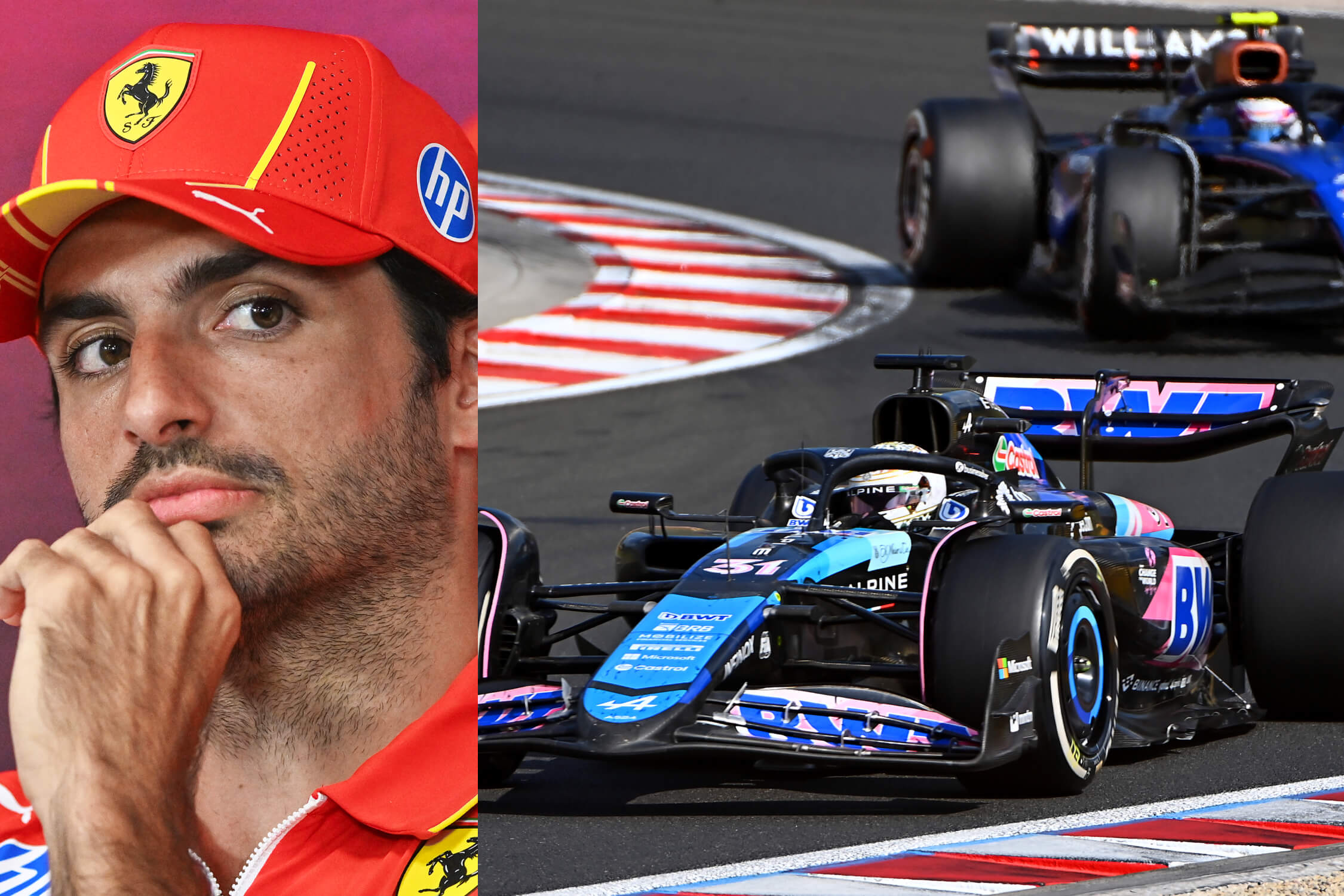
Highlights
- Carlos Sainz’s Williams future depends on team’s recovery speed.
- Sainz joined Williams attracted by James Vowles’ clear vision.
- Williams struggles with overweight car and production delays this season.
- Sainz plans contract talks with Williams leadership over the summer.
- Williams scored 11 points in first 10 races; Sainz contributed six.
- Sainz aims to reassess Williams commitment within next three to four years.
Carlos Sainz says his Williams future hinges on the team’s recovery speed, with decisions likely after the summer break and discussions beginning around the Hungarian Grand Prix.
He joined after Ferrari created space for Lewis Hamilton, attracted by team principal James Vowles’ clear plan. That vision persuaded him, but his patience has limits.

Sainz delivered immediate highs with two third places in Azerbaijan and Qatar, Williams’ first podiums in four years, yet the underlying competitiveness failed to follow.
Weight and production delays have defined Williams’ season, stalling development cadence and leaving the team marooned at the back of the midfield.
The numbers are stark: 11 points across the opening 10 races, with Sainz contributing six. That output underlines a car still heavy and late on upgrades.
Sainz will only wait a limited time for Williams’ recovery before deciding his long‑term future.
Contract talks with leadership are scheduled through the summer. His deal runs this season, and he intends to reassess once the team’s direction becomes clearer post-break.
Sainz accepts his win‑contending timeline has slipped by one to two years. He plans to evaluate commitment across the next three to four seasons.
He cites strengthened structures, investment, and Vowles’ direction as positives, while acknowledging on‑track pace lags behind the off‑track rebuild’s intent.
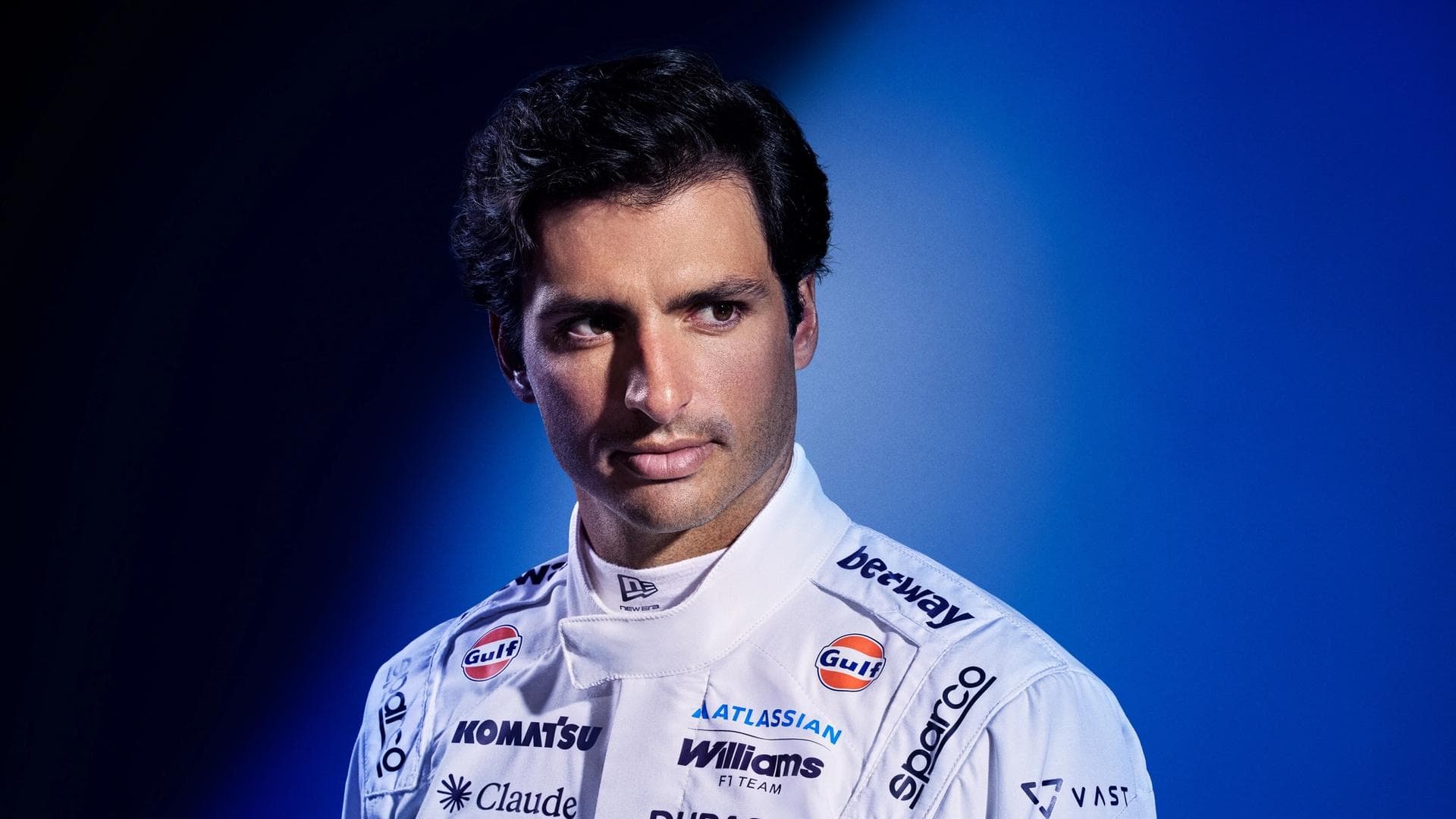
Within the cost cap era, weight reduction and parts throughput are resource tests. Williams must convert process gains into lighter, upgradeable hardware that lands on schedule.
Williams’ overweight car and production delays set the tone for the opening 10 races.
Aerodynamic testing allowances aid lower‑ranked teams, but benefits only appear if design and manufacturing pipelines are unblocked. That’s Williams’ immediate competitive task.
On results, Sainz’s ceiling has been ninth in China, Miami, and Canada, illustrating a car that races reliably but rarely threatens the front of the midfield.
Operational sharpness remains under scrutiny, as seen in recent efforts around Silverstone and evolving upgrade plans linked to Williams at the British Grand Prix.
Decision window sits after the summer break, once form and development trajectory are clearer.
Team‑mate dynamics also matter. Communication and direction with Alex Albon feed into feedback loops that shape set‑up paths and development priorities.
The wider driver market adds pressure. Speculation around Max Verstappen’s future and uncertainty for others, plus a recent Williams warning about standards, frame Sainz’s leverage and timing.
Two early podiums showed potential but not a sustainable baseline for Williams’ race pace.
For now, Sainz stays focused on the rebuild. His commitment depends on Williams translating structures and investment into lighter, faster machinery that can score consistently.
If that progress arrives quickly, the project retains credibility. If not, Sainz’s next move becomes inevitable, dictated by performance rather than sentiment.
Visual Summary
🧑🔧
CARLOS
SAINZ
SAINZ
Now
JOINED
Williams
JOINED
Williams
Decision
UPCOMING
UPCOMING
“I can only wait so long.
How fast can we bounce back?”
How fast can we bounce back?”
🏆🏆
Podium
Spark
Spark
2 third-place finishes
(Azerbaijan & Qatar)
(Azerbaijan & Qatar)
⚠️
Struggles
Overweight car,
delays, just 11 pts
6 from Sainz
delays, just 11 pts
6 from Sainz
⏳
Clock Ticking
Decision after summer—
Will patience last?
Will patience last?
Carlos Sainz walks a fine line between hope and impatience.
The summer break will decide if his Williams gamble pays off — or if he leaps.
The summer break will decide if his Williams gamble pays off — or if he leaps.

Daniel Miller reports on Formula 1 Grand Prix weekends with race-day analysis, team-radio highlights, and point-standings updates. He explains power-unit upgrades, aerodynamic developments, and driver rivalries in straightforward, SEO-friendly language for a global F1 audience.