

https://shop.fervogear.com/cart

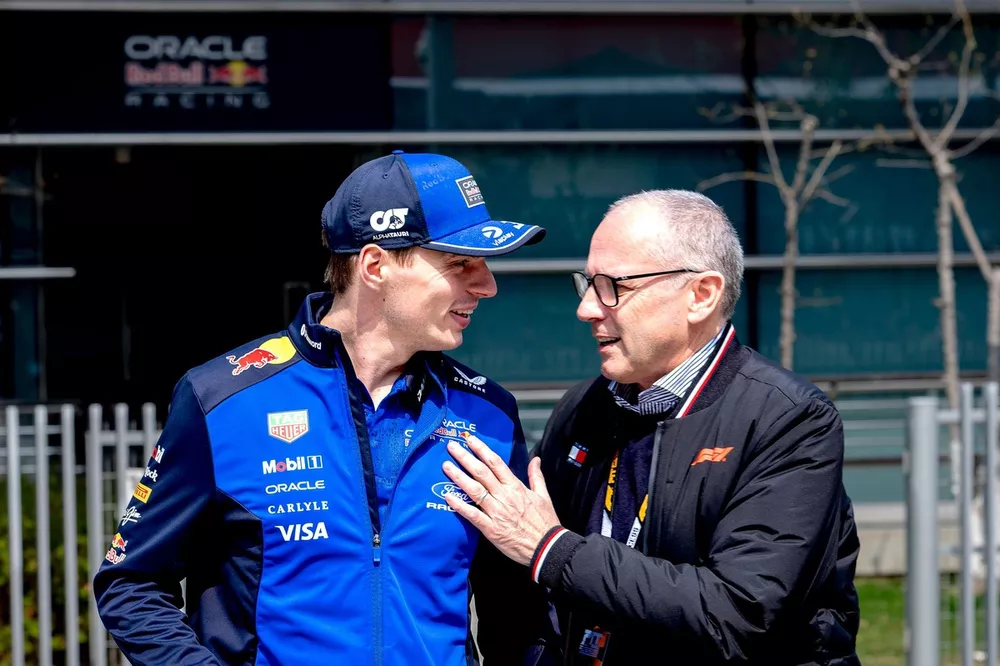
Max Verstappen Fed Up with F1 Criticism as Rivals Face Sour Realities

Highlights
- Max Verstappen criticized 2026 F1 engine rules nearly three years ago.
- Current 50:50 ICE and electric power split deemed “anti-racing.”
- Planned 60:40 split by 2028 aims to reduce electric power reliance.
- Drivers use lift-and-coast techniques, affecting race excitement at Silverstone and Spa.
- FIA and teams consider adjusting power unit regulations this season.
Max Verstappen renews criticism of Formula 1’s 2026 power-unit rules, saying the concept he opposed years ago now undermines racing as rivals publicly echo the same concerns.
He targeted the 50:50 split between the ICE and electric deployment, branding it “anti‑racing” and likening it to “Formula E on steroids” during early testing and again this season.

Verstappen labelled the 50:50 split “anti‑racing” and “Formula E on steroids.”
Verstappen flagged operational distortions, including early downshifts before straights, as seen at Monza, to manage energy states and remain competitive under strict deployment windows.
He also warned that chasing marginal ICE gains risks an expensive development war, clashing with cost-control goals and the manufacturers’ efficiency narrative underpinning the hybrid era.
Early 2026 races have exposed shortcomings. Drivers increasingly lift‑and‑coast and manage super‑clipping on energy‑demanding circuits, diluting race intensity at Silverstone and Spa despite tight competitive margins.
Drivers increasingly rely on lift‑and‑coast and super‑clipping at Silverstone and Spa, blunting the spectacle.
The FIA’s roadmap includes a 60:40 ICE‑bias by 2028, intended to reduce battery reliance and restore sustained acceleration without extreme energy saving on long straights.
Shorter‑term adjustments are under evaluation this season, with teams and the FIA exploring calibration changes around harvesting, deployment windows, and drivability to improve raceability without rewriting the framework.
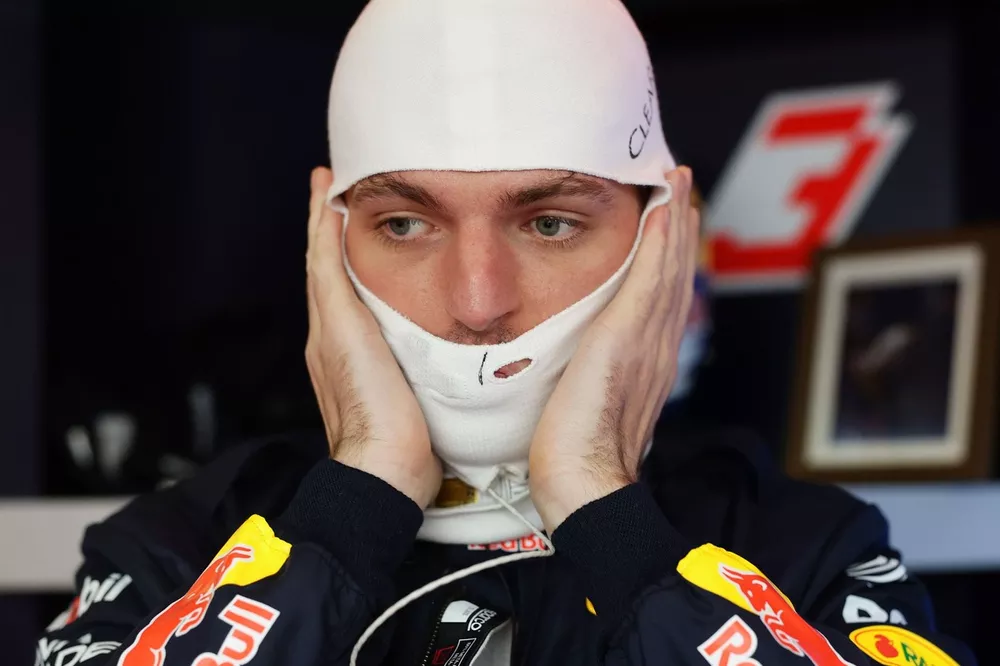
Critics initially dismissed his stance during Red Bull’s early‑season wobble, yet Verstappen insists it reflects care for the product, as his commitment to Red Bull remains clear.
His frustrations have been audible, including a pointed exchange during early rounds, highlighted by a radio outburst that underscored discomfort with energy‑management priorities over flat‑out driving.
Verstappen said the current setup is “not mentally doable” and needs change.
Alongside regulatory debate, Red Bull pursues car‑side solutions, including a rear‑wing fix, to stabilise performance while the power‑unit discussion evolves.
The current architecture rewards efficient harvesting, robust ICE torque, and sophisticated deployment mapping. Teams with superior integration gain straightline resilience without compromising battery state late in laps.
Any adjustment must avoid igniting an ICE arms race while delivering credible show gains and preserving manufacturer relevance, the central tension Verstappen has highlighted since 2023.
The message remains consistent, even if repetition is wearying: refine the rules so drivers can push, and the spectacle improves without abandoning F1’s hybrid objectives.
Visual Summary
⚡ The Engine Split Dilemma ⚡
Verstappen’s warnings spark new urgency
as F1’s hybrid rules short-circuit ‘real racing’
ICE
2026
Battery
ICE
2028
Battery
“I’ve warned about this for years.
Now, everyone’s starting to see it.”
Engine split, costly battles, lift-and-coast — Verstappen saw the storm coming. F1 listens… finally.
🚦
Drag Races
Downshifted Early
Drag Races
Downshifted Early
🔋
Electric
Dependency
“Not Real Racing”
Electric
Dependency
“Not Real Racing”
💰
Spiraling
Costs
“Development War”
Spiraling
Costs
“Development War”
F1 faces a crossroad ⚡
Will they steer back toward pure racing — or chase hybrid perfection at the cost of spectacle?

Daniel Miller reports on Formula 1 Grand Prix weekends with race-day analysis, team-radio highlights, and point-standings updates. He explains power-unit upgrades, aerodynamic developments, and driver rivalries in straightforward, SEO-friendly language for a global F1 audience.