


https://shop.fervogear.com/cart

Hamilton Celebrated Among Legends as Hungaroring Honors Corners

Highlights
- Hungaroring names all 14 corners after F1 legends for 40th anniversary.
- Lewis Hamilton honoured; most wins and poles at the circuit.
- Fans voted; experts approved names including Mansell and Jean Alesi.
- Turn 1 named ‘Piquet’, Turn 12 ‘Schumacher’, Turn 14 ‘Szisz’.
- Hamilton, Mansell, Alesi left handprints in circuit run-off area.
- New names celebrate track history and Budapest’s local heritage.
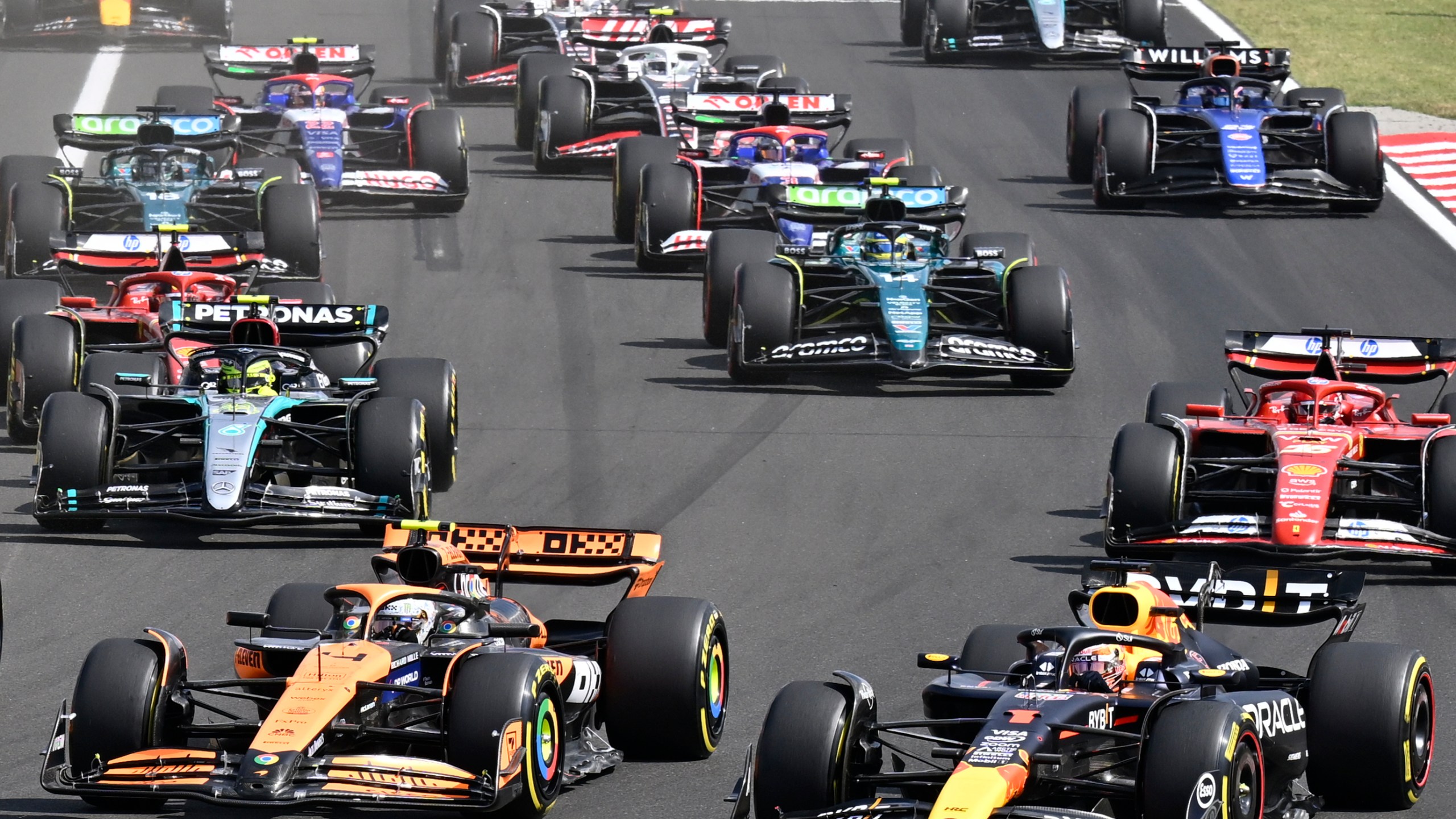
Hungaroring has officially named all 14 corners for the Hungarian Grand Prix’s 40th anniversary, enshrining Formula 1 luminaries and local heritage at one of the championship’s most exacting venues.
The scheme recognises competitive achievement and cultural ties, while standardising corner references used by teams, drivers, and broadcasters across sessions.

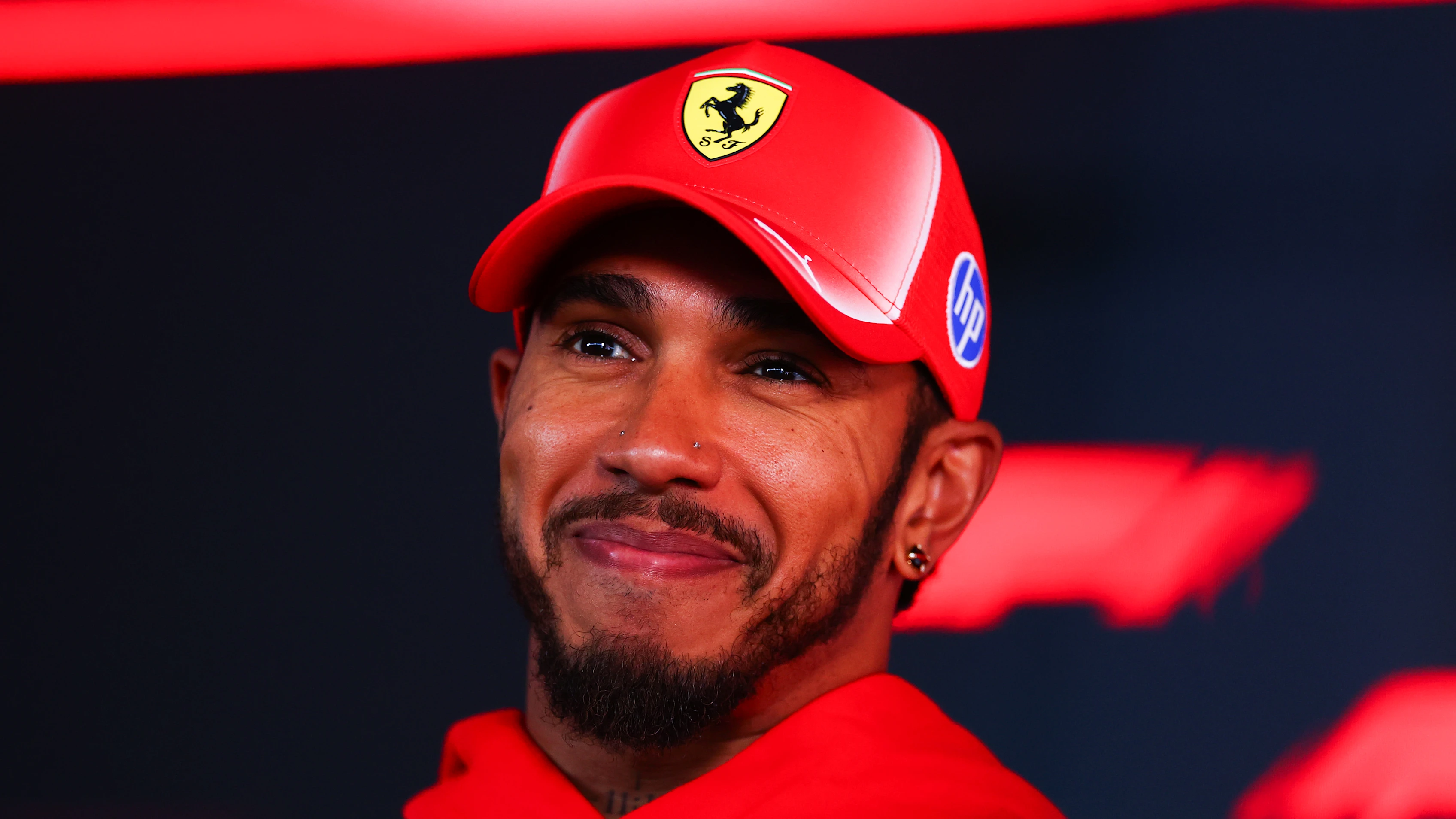
Hamilton holds eight wins and nine poles at the Hungaroring, both records.
Lewis Hamilton headlines the list, his eight wins and nine poles establishing the benchmark here. Nigel Mansell and Jean Alesi join a roster spanning multiple eras and disciplines.
Turn 1 becomes Piquet, recalling Nelson Piquet’s decisive outside move on Ayrton Senna in 1986 and victories in the first two Hungarian Grands Prix.
Turn 2 is Hamilton, underscoring repeatability at a venue that rewards rhythm, tyre management, and traction on a compact, low-speed layout.
Turn 3 is Spring, referencing the Valley of the Three Springs. Turn 4 honours Mansell, bridging his 1989 charge from 12th and his 1992 title confirmation.
Fans proposed names; a panel of experienced motorsport figures approved the final list.
Turn 5 adopts Mogyorod, the host municipality. Turns 6 and 7 become Driving Center, acknowledging Hungary’s first driver training facility, in service since 1998.
Turns 8 and 9 are Buda and Pest, linking the race to Budapest’s twin districts and the event’s long-standing urban partnership.
Turn 10 is Danube, a geographic anchor for the venue narrative. Turn 11 formally recognises Alesi, long associated with that section since his 1995 practice accident.
Turn 12 is Schumacher, reflecting four Hungarian wins and his 2001 title sealed here. Turn 13 becomes Senna, commemorating pole at the inaugural Hungarian Grand Prix.
Turn 12 ‘Schumacher’ references four wins and the 2001 title sealed in Hungary.
Turn 14 is Szisz, honouring Ferenc Szisz, the Hungarian-born pioneer who won the first Grand Prix in 1906.
Hamilton, Mansell, and Alesi left concrete handprints in a run-off area, adding an on-site focal point for spectators and television features.
The naming aids wayfinding, enriches commentary, and strengthens Hungaroring’s brand identity without changing sporting parameters or car setup priorities.
The initiative dovetails with event resources, including the Hungaroring guide and the build-up to the Hungarian Grand Prix for fans attending or following from home.
Context on format, tyre behaviour, and strategy expectations sits within the 2026 Hungarian Grand Prix preview, framing how teams approach the weekend.
Visual Summary
Hungaroring’s Corners Named: Heroes Immortalized
Honoured Legends
Nelson Piquet (T1)
Lewis Hamilton 8 Wins (T2)
Nigel Mansell 1992 🏆 (T4)
Jean Alesi (T11)
Michael Schumacher (T12)
Ayrton Senna (T13)
All 14 corners of the Hungaroring now bear legendary names—voted by fans, chosen by experts, and forever part of F1 history.
Hamilton‘s record 8 wins shine brightest, but every turn is a tribute:
Piquet’s bold pass, Mansell’s magic, Alesi’s emotion, Schumacher’s dominance, Senna’s inspiration—and Szisz, Hungary’s first GP winner.
Hamilton‘s record 8 wins shine brightest, but every turn is a tribute:
Piquet’s bold pass, Mansell’s magic, Alesi’s emotion, Schumacher’s dominance, Senna’s inspiration—and Szisz, Hungary’s first GP winner.
Handprints left by Hamilton, Mansell & Alesi now “race” with every lap—etched in concrete for the next 40 years.
Explore All the Iconic Corners →
Dive deeper into the race build-up & stories: Hungarian GP Preview >
Daniel Miller reports on Formula 1 Grand Prix weekends with race-day analysis, team-radio highlights, and point-standings updates. He explains power-unit upgrades, aerodynamic developments, and driver rivalries in straightforward, SEO-friendly language for a global F1 audience.




