
https://shop.fervogear.com/cart

Red Bull Faces Fresh Challenge as Rising Young Stars Impress

Highlights
- Red Bull faces talent surplus with five drivers for four seats
- Racing Bulls’ Lawson and Lindblad lead competitive midfield battles
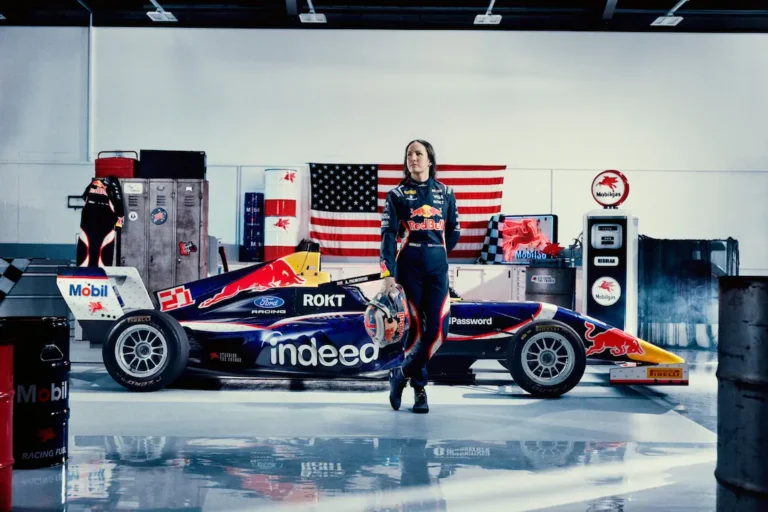
- Nikola Tsolov leads Formula 2, pushing for F1 opportunity
- David Coulthard praises Red Bull’s driver development success
- Max Verstappen remains Red Bull’s top Formula 1 driver
Red Bull faces a selection squeeze in 2026 as its junior pipeline over-delivers. David Coulthard warns the team must manage a surplus of talent against limited Formula 1 seats.
Racing Bulls provide the focal point. Liam Lawson and rookie Arvid Lindblad run closely all season, consistently scoring and exposing the midfield as their battlefield rather than their ceiling.

Their rivalry peaks at Spa, where Lawson is forced wide. The incident underscores Red Bull’s management challenge: encourage hard racing without jeopardising points or development trajectories.
Isack Hadjar’s emergence intensifies the picture, offering another credible option with speed and racecraft. He compounds pressure on Racing Bulls incumbents to convert pace into results weekly.
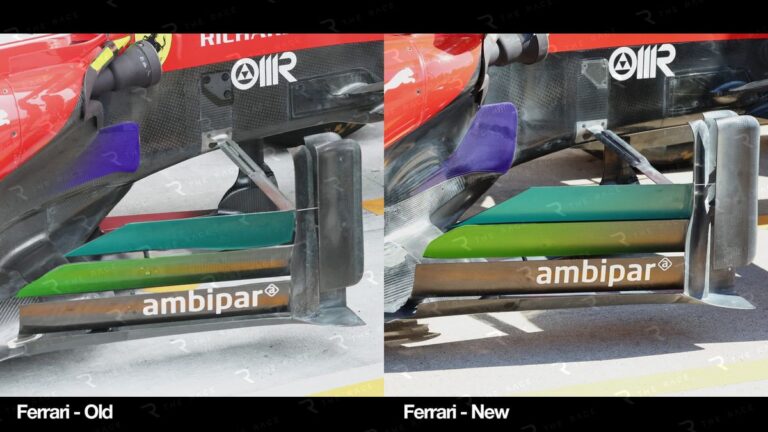
At the works team, Max Verstappen remains the reference. Any promotion must complement his programme and car characteristics, including evolving aero choices such as Verstappen’s wing direction.
The bottleneck grows with Nikola Tsolov leading the Formula 2 championship. His pace and aggression look F1-ready, demanding either a debut seat or a delayed graduation plan.
Red Bull has five credible candidates for four seats in 2026.
Red Bull effectively weighs five candidates for four available seats across its two teams. Someone waits, or moves, unless performance or reliability reshapes the depth chart.
Coulthard praises the wheel-to-wheel quality and credits Red Bull’s pathway. The strength is desirable, but decision timelines and contract cycles tighten as the season advances.
Racing Bulls’ Lawson vs Lindblad is the standout midfield pairing of 2026.
Technical context matters. The ongoing Red Bull upgrade fault affects competitive rhythm and evaluation windows, potentially masking form or exaggerating weaknesses during crucial selection periods.
Recent dominance shapes expectations. The team’s F1 record raises the promotion threshold, prioritising adaptability, tyre understanding, and low-error profiles over raw speed alone.
Nikola Tsolov’s F2 form makes him a near-term F1 candidate.
For Racing Bulls, the operational task is clear: bank points while minimising intra-team friction. For Red Bull, 2027 regulations and power-unit integration will ultimately define seat allocation.
The academy pipeline is working. The immediate test is governance: align development with results, and decide who steps first without devaluing those asked to wait.
Visual Summary
Verstappen
👑
RB #2
Racing Bulls #1
Racing Bulls #2
5 rising stars → 4 race seats
🏎️
Lawson
🏎️
Lindblad
💥
Hadjar
⚡
🥇
🥇
Tsolov
🚀
Verstappen
When you have too much talent,
who do you leave out?
Red Bull’s driver pool is overflowing: Only 4 Formula 1 seats, but 5 hungry stars.
Lawson and Lindblad fight fiercely in the midfield. Hadjar impresses. Tsolov leads F2 and demands promotion.
The real race: Who makes the jump—and who’s left waiting?
Red Bull seat
Racing Bulls seat
Contender
Racing Bulls seat
Contender
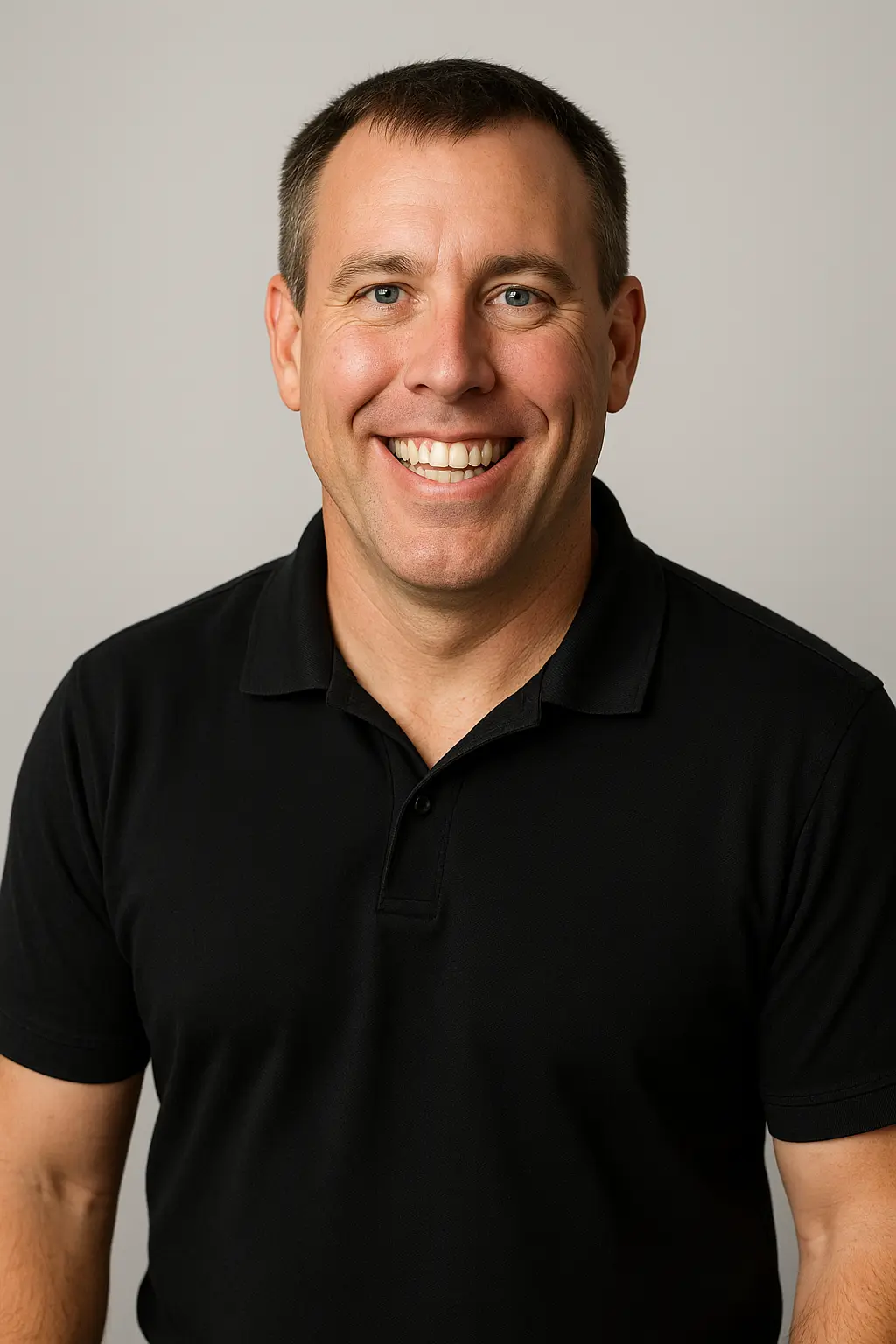
Daniel Miller reports on Formula 1 Grand Prix weekends with race-day analysis, team-radio highlights, and point-standings updates. He explains power-unit upgrades, aerodynamic developments, and driver rivalries in straightforward, SEO-friendly language for a global F1 audience.