
https://shop.fervogear.com/cart

Honda’s Powerful New F1 Engine Set for Exciting Debut Next Week


Highlights
- Honda’s new F1 engine debuts in Hungary filming day next week
- Aston Martin’s chassis upgrade helped Alonso reach Q2 at Hungarian GP
- Alonso and Stroll finished 14th and 13th outperforming rivals
- Engine vibrations were fixed by fitting a new unit post-qualifying
- New engine aims for Zandvoort race debut to add lap time gains
- Aston Martin and Honda closely collaborate to improve 2026 performance
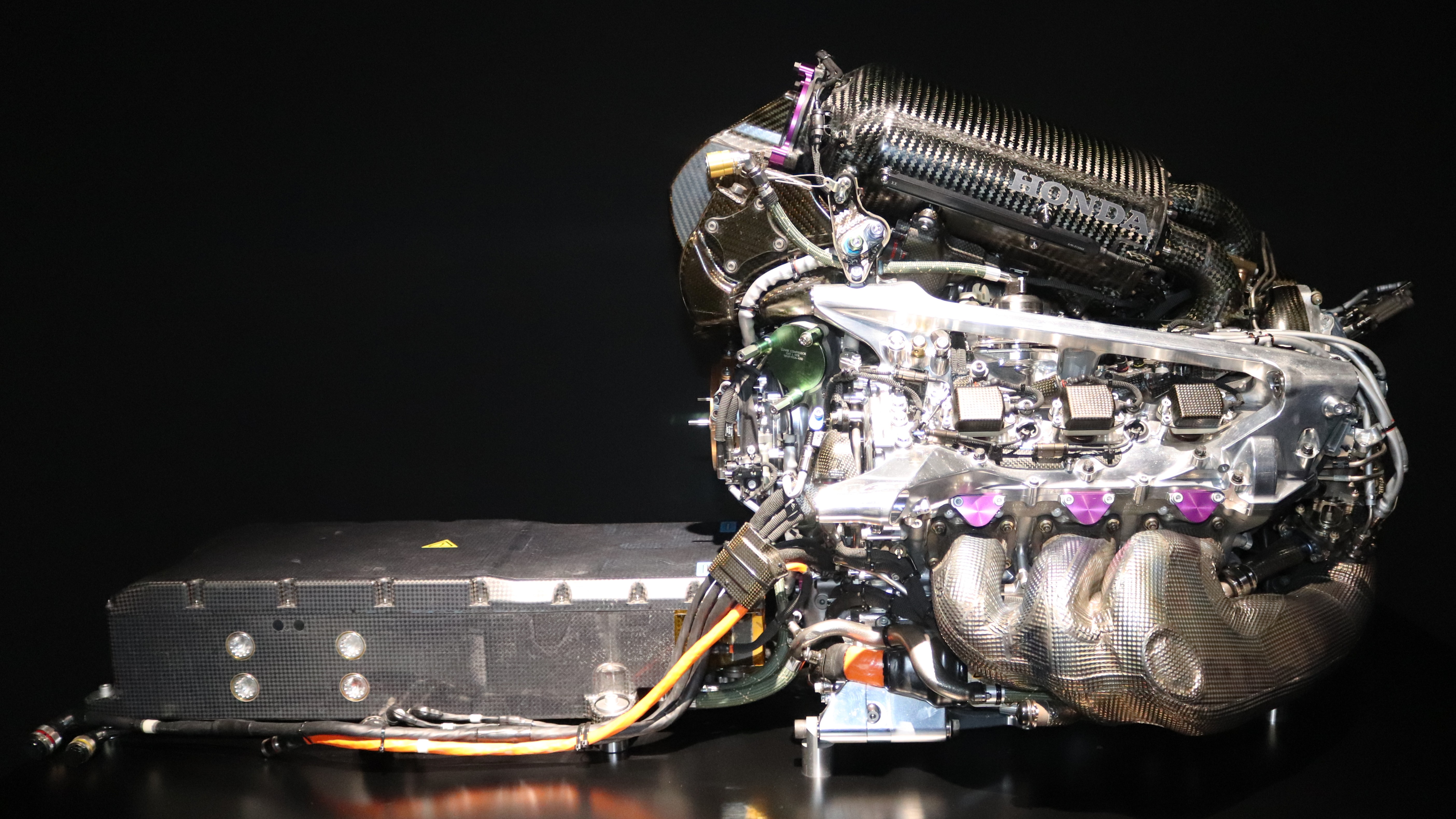
Honda’s new Formula 1 power unit will run next week in Hungary during a filming day, underpinning Aston Martin’s push to recover form after a difficult 2026 campaign.
The target is a race debut at Zandvoort, with the day used to validate installation, drivability, and correlation on the latest AMR chassis.

Honda’s new power unit will turn its first laps during a Hungary filming day next week.
Filming days are capped at 200 kilometres on demonstration tyres, but they offer valuable systems checks. Honda’s Shintaro Orihara says timing suits the summer-break window.
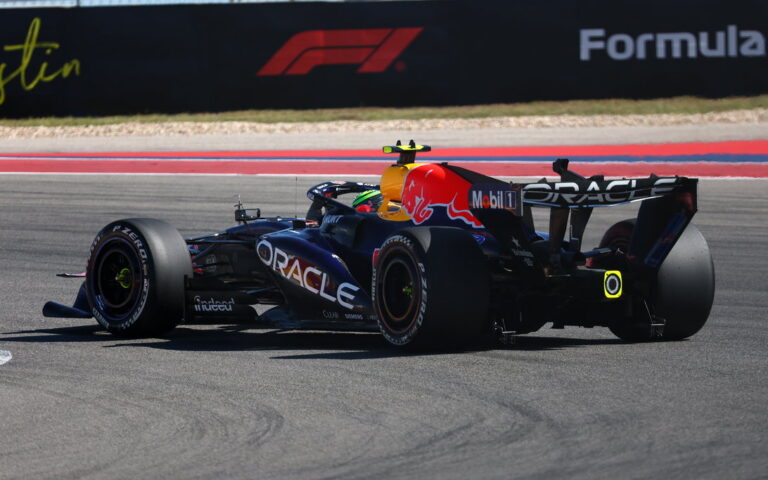
Aston Martin arrived in Budapest with a sizeable chassis package. Fernando Alonso reached Q2 and qualified 16th, while Lance Stroll joined him in moving the car’s baseline forward.
Race execution matched that uplift. Stroll finished 13th and Alonso 14th, ahead of Alpine, Haas, and Williams, which Krack said met expectations after weeks stuck near the back.
Alonso says a fresh engine eliminated Hungary vibrations from Saturday onward.
Vibration concerns that blighted early-season running resurfaced briefly in Budapest, though the team stressed the behaviour differed. Fitting a fresh engine from Saturday resolved the issue for Alonso.
That points to wear on the outgoing unit rather than a systemic flaw. It still prompted renewed checks on reliability margins ahead of the planned upgrade introduction.
Aston Martin targets a Zandvoort race debut for the upgraded Honda unit.
It forms part of a broader recovery programme aligned with chassis gains. It builds on Aston Martin and Honda’s efforts to recover from a difficult 2026 season, with tight focus on installation and cooling to release lap time.
Within that context, Aston Martin sees the power unit as a complementary gain now the floor and aero platform are more stable. Zandvoort’s demands make efficiency and deployment key metrics.
Rivals pursue different routes. McLaren, for example, recently ran the latest Mercedes engine, while others refine aero concepts amid iterative upgrade cycles across the summer.
Power unit usage and component limits remain a strategic constraint, especially around test mileage. Teams must balance allocations with shakedown running; see power unit parts usage rules for context.
Recent upgrade misfires elsewhere underline the risk of development dead-ends, as highlighted in analysis of Newey’s failed update path. Correlation remains the decisive differentiator.
If the Hungary run delivers clean data, Honda and Aston Martin will push for the Zandvoort introduction. The aim is a modest but meaningful lap-time gain to sustain momentum.
Visual Summary
H
Honda’s new Engine
🚀
meets
Aston Martin’s Upgraded Chassis
🚀
meets
Aston Martin’s Upgraded Chassis
Filming Day in Hungary: Honda unleashes its 2026 power unit on Aston Martin’s improved car, aiming to spark a mid-season comeback.
⬇️
13
14
16
Alonso’s Quali Best up to 16th • Race: Outpaced Alpine, Haas, Williams
200km
Filming Day Limit
NO ⚡
Vibrations!
+⏱️
Lap Time Aim
Alonso: “We’re gaining confidence — this engine+chassis combo can take us up the grid.”
Focus: keep climbing, rebuild trust 🤝 and ignite Aston Martin’s long-awaited comeback.
All eyes on Hungary’s filming day.
Will Honda’s new engine be Aston Martin’s rocket ride out of midfield?
Will Honda’s new engine be Aston Martin’s rocket ride out of midfield?

Daniel Miller reports on Formula 1 Grand Prix weekends with race-day analysis, team-radio highlights, and point-standings updates. He explains power-unit upgrades, aerodynamic developments, and driver rivalries in straightforward, SEO-friendly language for a global F1 audience.