
https://shop.fervogear.com/cart

George Russell Faces New Heartbreak After Latest F1 Title Setback

Highlights
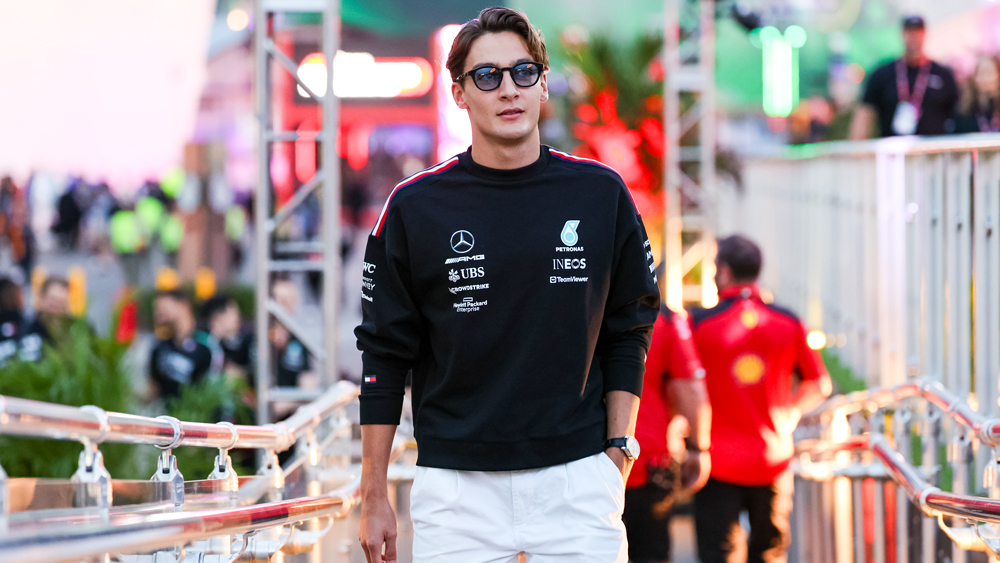
- George Russell finished seventh at the Hungarian Grand Prix.
- Car slipped into anti-stall mode, causing early position loss.
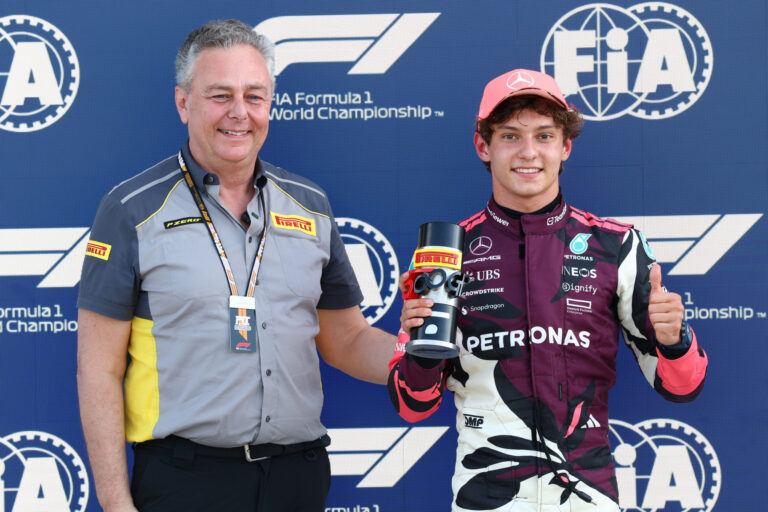
- Teammate Kimi Antonelli extended championship lead to 59 points.
- New engine showed RPM issues seen in pre-season testing.
- Russell praised car pace despite ongoing technical challenges.
- F1 summer break offers Russell time to regroup mentally.
George Russell finishes seventh at the Hungarian Grand Prix after an anti-stall at the start, a result that dents his title prospects heading into Formula 1’s summer break.
Starting sixth, Russell loses ground immediately when engine RPM oscillations trigger anti-stall. He drops back, then executes a measured recovery to salvage points by the flag.

The Mercedes slipped into anti-stall as the lights went out, costing Russell crucial positions within seconds.
The outcome allows teammate Kimi Antonelli to stretch his championship lead to 59 points, underlining the growing margin Russell must overturn after the break.
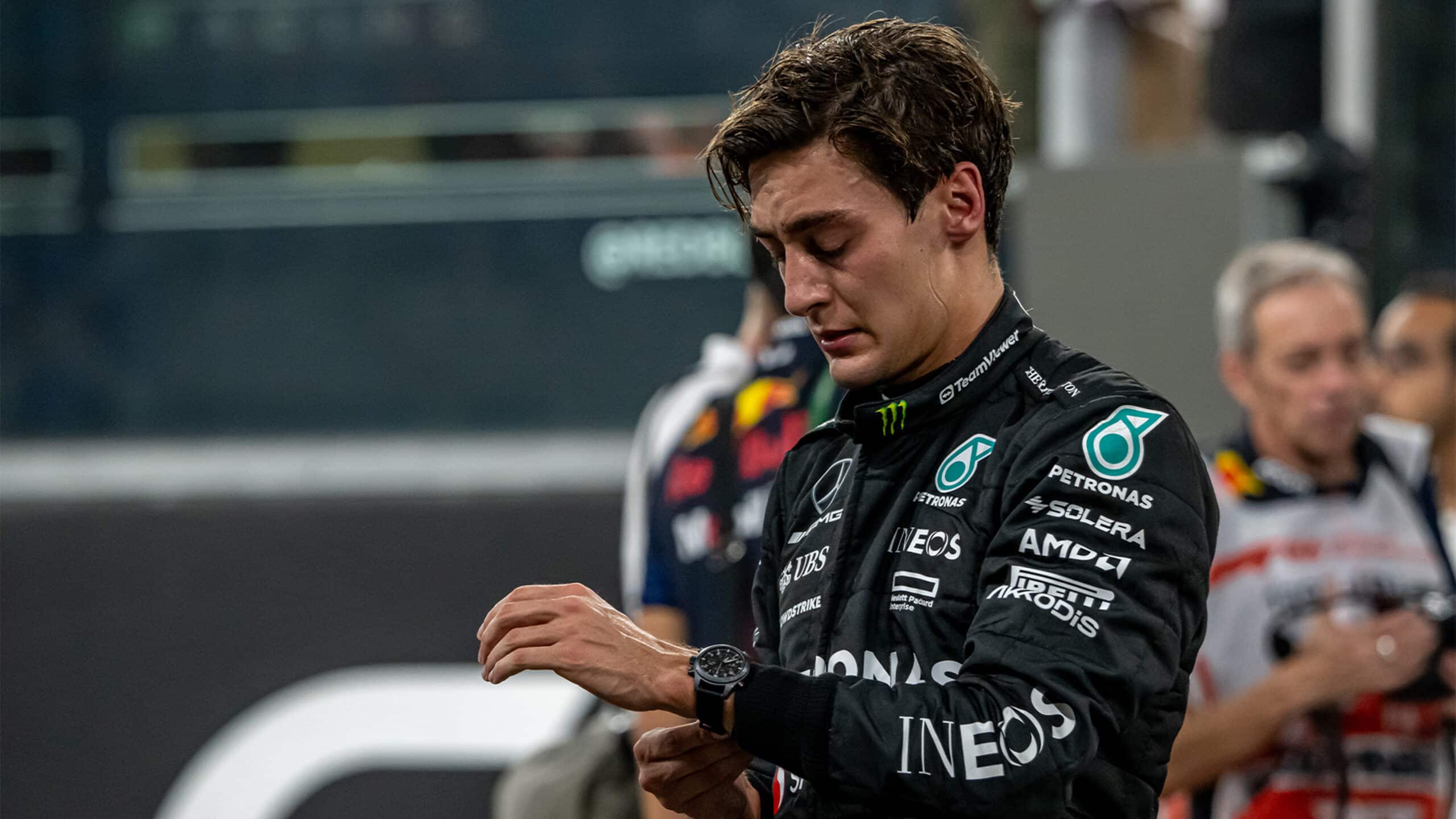
Russell reports that the throttle held steady, yet RPM fluctuated regardless. That points to a control-system or clutch protection trigger rather than driver error.
Mercedes has seen similar behaviour from this new engine package during pre-season running. That history, and this year’s recurring glitches, increases the urgency for root-cause clarity.
Encouragingly, Russell’s race pace is competitive. Long-run speed aligns with the front, suggesting recent updates are finally biting and hinting at a genuine Mercedes step.
Russell: “The car’s pace matched the best we’ve seen in weeks.”
That performance context matters. If starts and system stability improve, the underlying pace can convert into podiums and damage limitation on difficult Sundays.
With 16 races remaining, the title picture is still fluid, but the deficit narrows Russell’s margin for error. He needs clean weekends and consistent execution to revive his Hungary-hit title fight.
Mentally, Russell says he is beyond disappointment and focused on controllables. He welcomes the break to reset, an approach he has emphasized in recent weeks about switching off effectively.
Antonelli’s lead stands at 59 points as F1 pauses for summer.
From an operational standpoint, the team must reproduce the start anomaly and trace it through software, clutch bite targets, and power-unit protection maps to prevent a repeat.
Parc fermé constraints limit mid-event reconfiguration, so reliability at the start line becomes decisive. That makes correlation between dyno, rig, and track behaviour a priority.
Seventh is short of expectations, but Russell extracts what he can once the race stabilizes. If Mercedes nails start procedures and system robustness, the pace can yield podium runs post-break.
Visual Summary
Russell Slips Further Down the Title Mountain
P6
P7
P7
Championship Gap Grows: +59 points to Antonelli
⛔
Anti-Stall Strikes Again!
Anti-Stall Strikes Again!
Russell stays resilient, refocusing for a comeback after the break. 🧠✨
Tough start, strong pace,
but the mountain just got steeper.
but the mountain just got steeper.

Daniel Miller reports on Formula 1 Grand Prix weekends with race-day analysis, team-radio highlights, and point-standings updates. He explains power-unit upgrades, aerodynamic developments, and driver rivalries in straightforward, SEO-friendly language for a global F1 audience.