

https://shop.fervogear.com/cart

Lewis Hamilton Breaks Through to Ignite Historic Mercedes F1 Partnership

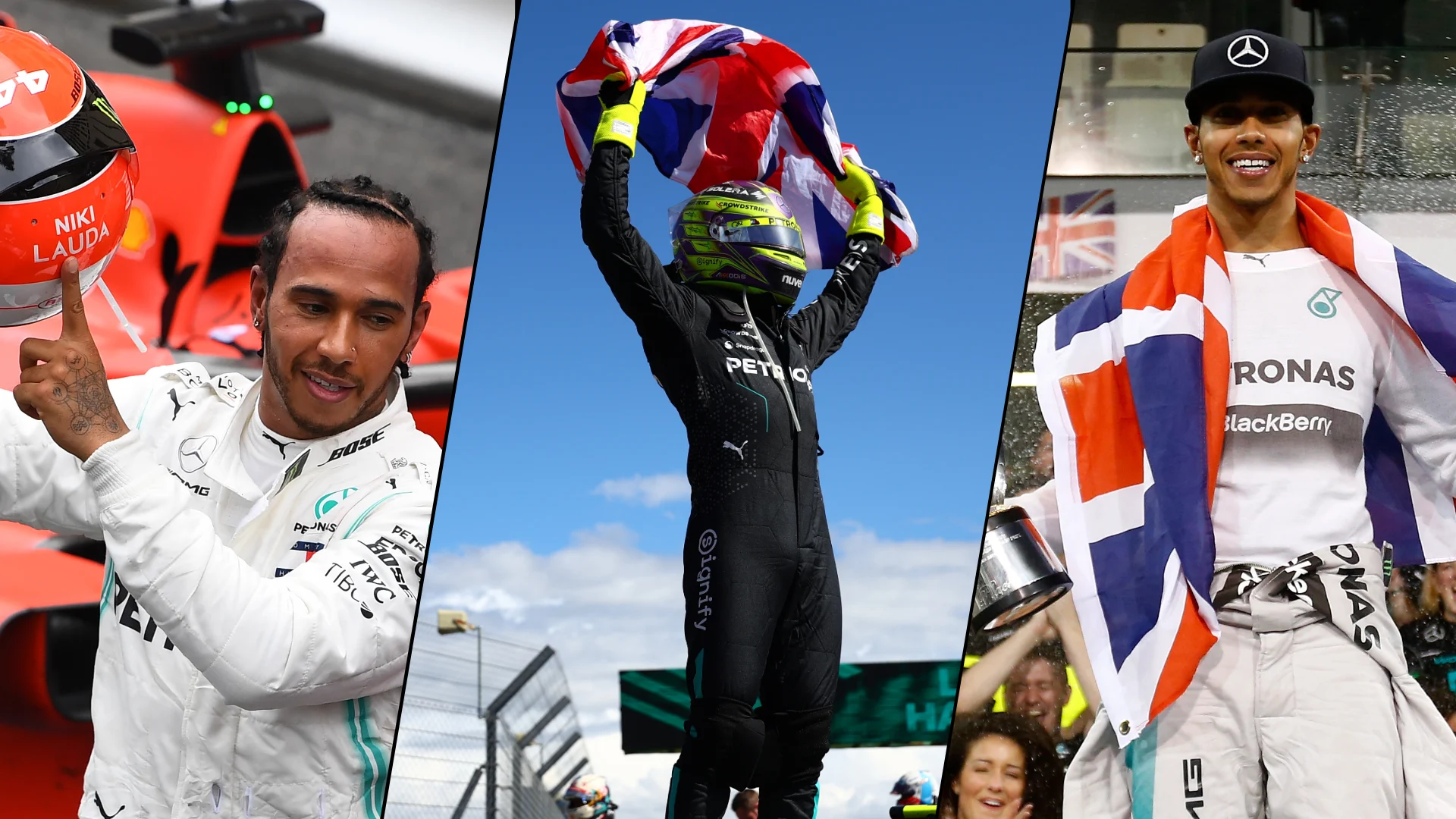
Highlights
- Lewis Hamilton won 2013 Hungarian Grand Prix, his first with Mercedes
- He led start to finish, overcoming Räikkönen and Vettel
- Hamilton’s three-stop strategy succeeded despite high tire wear conditions
- He amassed 84 wins and six titles with Mercedes by 2024
- Mercedes dominated F1, winning eight constructors’ championships (2014-2021)
- Hamilton surpassed Schumacher’s records in wins and pole positions
On 28 July 2013 at the Hungaroring, Lewis Hamilton wins the 2013 Hungarian Grand Prix, his first Mercedes victory, establishing a partnership that reshapes Formula 1’s competitive balance.
Starting from pole, Hamilton controls 70 laps in 35°C heat, repelling Kimi Räikkönen and Sebastian Vettel through disciplined tyre management, decisive out-laps, and uncompromising traffic navigation.

The W04’s high tyre degradation makes Hungary a stress test. Mercedes executes a three-stop plan, protecting track position where passing is difficult and undercuts can decide stint outcomes.
The victory arrives during a Vettel-dominated campaign. Red Bull’s late-season surge features nine consecutive wins, yet Budapest interrupts momentum and showcases Mercedes’ growing operational assurance.
Budapest 2013 delivers Hamilton’s first Mercedes win and validates his bold switch from McLaren.
It also anchors an extraordinary arc. Hamilton adds 83 more wins with Mercedes, reaching 84 for one constructor, plus 78 poles and 153 podiums in silver machinery.
Those returns underpin titles in 2014, 2015, 2017, 2018, 2019, and 2020, equalling Michael Schumacher’s seven championships while redefining statistical benchmarks across modern Formula 1.
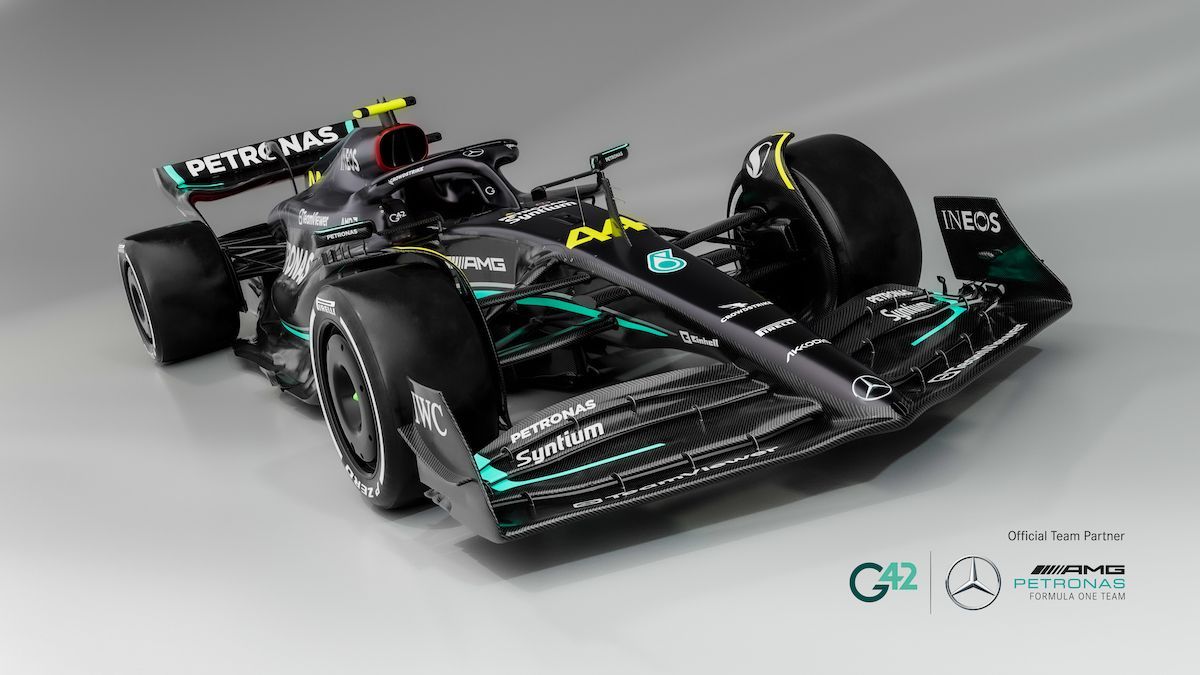
Hamilton owns 84 victories with a single constructor, an all-time F1 benchmark.
From 2014, the V6 turbo‑hybrid regulations reward Mercedes’ integrated power unit and chassis philosophy. The team converts deployment efficiency into race-control tools that neutralise threats across circuits and conditions.
Hamilton surpasses Schumacher’s career records for wins and pole positions, becoming the first driver to reach 100 in both, with every Mercedes victory powered by the Mercedes engine lineage.
He surpasses Schumacher for wins and poles, first to 100 in both categories.
The Budapest template endures: manage tyres to protect the pit window, execute undercuts decisively, and avoid unnecessary risk. Those margins compound into eight straight constructors’ titles from 2014 to 2021.
That foundation also frames present dynamics, from strategic planning to leadership turnover, themes echoed by recent senior member exits as the team navigates the next ruleset.
With regulations policed tightly, marginal gains face constant scrutiny, and occasional penalties underline the fine line between innovation and overreach in today’s competitive environment.
Visual Summary
The Spark That Ignited an Era
Hungarian GP, 28 July 2013
Hamilton’s first Mercedes win
Hamilton left McLaren to join unproven Mercedes — and won immediately.
From “bold risk” to legendary dynasty.
84
Wins
Wins
153
Podiums
Podiums
78
Poles
Poles
6
Titles*
Titles*
(*) with Mercedes only
This single win didn’t just defy expectations — it launched the most successful driver-team partnership F1 has ever seen.
Hamilton + Mercedes
One pivotal summer day →
Eleven years of dominance, record after record, an unbreakable bond.
Enduring. Electrifying. Era-defining.
One pivotal summer day →
Eleven years of dominance, record after record, an unbreakable bond.
Enduring. Electrifying. Era-defining.

Daniel Miller reports on Formula 1 Grand Prix weekends with race-day analysis, team-radio highlights, and point-standings updates. He explains power-unit upgrades, aerodynamic developments, and driver rivalries in straightforward, SEO-friendly language for a global F1 audience.