

https://shop.fervogear.com/cart

Mercedes Faces New Risks as F1 Reveals Major Calendar Overhaul


Highlights
- Malaysian Grand Prix returns to F1 calendar in October.
- Mercedes struggles raise questions about team’s competitiveness.
- George Russell expresses frustration amid Mercedes’ performance issues.
- Lando Norris impresses; McLaren’s strategy under scrutiny.
- Ferrari faces setbacks; Carlos Sainz surprises fans during race.
- Upcoming races include Hungary, Netherlands, and Italy Grand Prix dates.
Formula 1 confirms a calendar update, reinstating the Malaysian Grand Prix in October. The shift arrives as Mercedes confronts mounting scrutiny following a subdued Hungary showing and fluctuating competitiveness.
Rivals beat both Mercedes cars comfortably in Budapest. Medium-speed pace and tyre-window sensitivity persist, exposing setup fragility. George Russell voices frustration, while Lewis Hamilton works to steady development.

Calendar changes amplify adaptation demands. Sepang’s heat, long corners, and energy sensitivity test cooling, tyre degradation, and hybrid deployment. Those traits could penalise Mercedes if correlation and windows stay inconsistent.
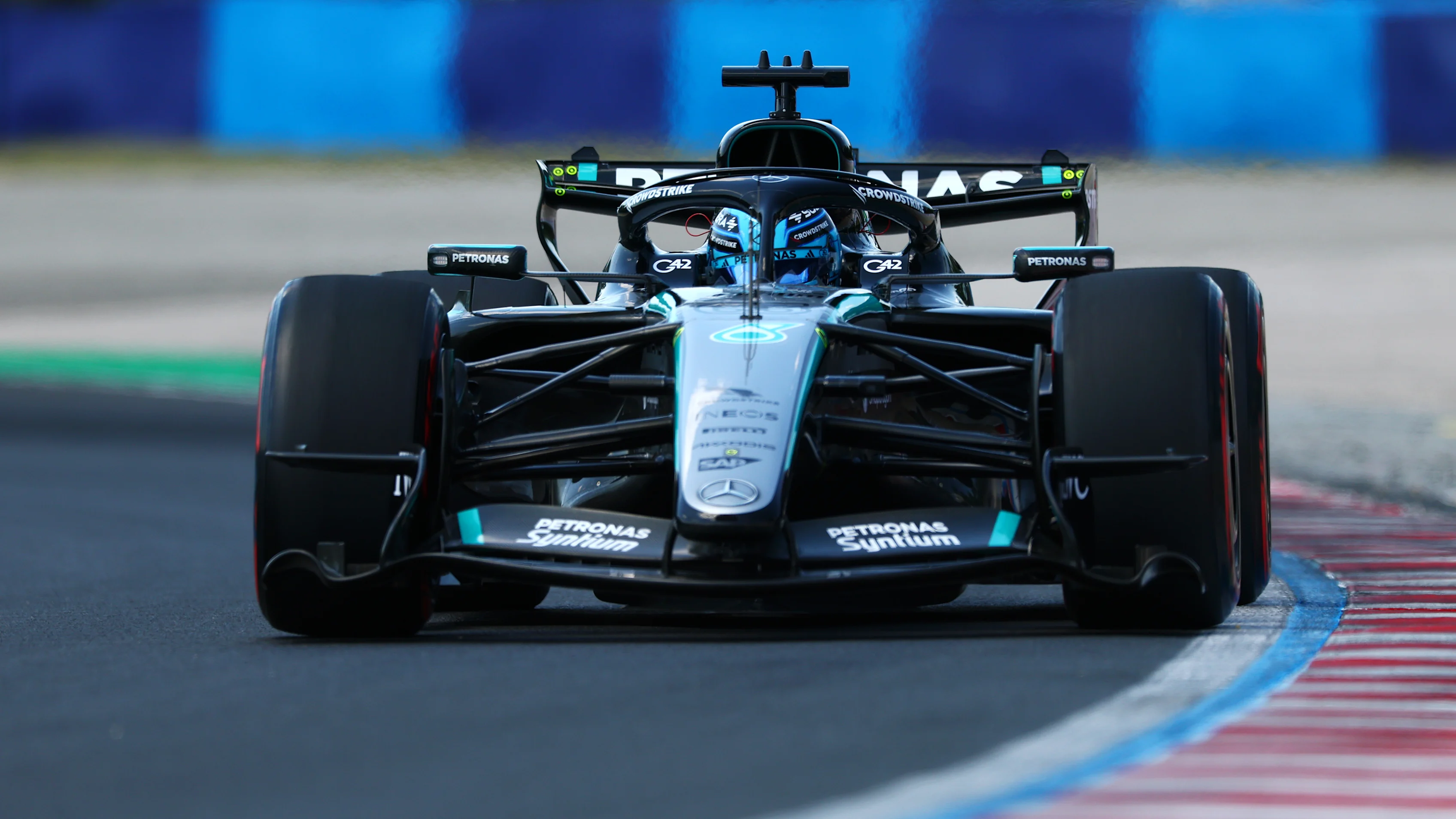
Key dates compress preparation. Hungary runs July 26, with Wolff’s assessment underscoring weaknesses. The Dutch GP follows August 23, Italy lands September 6, then Malaysia. Consistency and reliability will decide outcomes.
Malaysian Grand Prix returns in October, adding heat and high-energy demands to a crucial run-in.
McLaren’s momentum continues, with Lando Norris again setting a high bar. Strategy sharpness remains under scrutiny, including whether team orders would apply had Oscar Piastri controlled the Hungarian lead.
Ferrari endures another uneven weekend. Execution wavers, yet Carlos Sainz supplies surprise moments under pressure, with Hamilton challenging a key Ferrari decision and sharpening debate around race management.
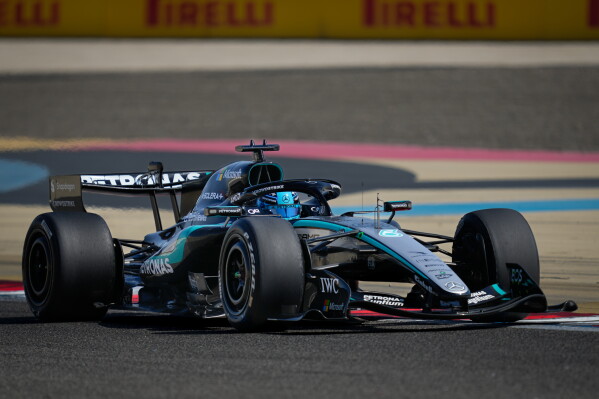
Mercedes’ response hinges on cohesion. Russell’s radio ire reflects tension, while Hamilton’s experience steadies operations. Leadership flux matters, notably the exit of a senior figure shaping structures and decision pace.
Leadership changes compound Mercedes’ need for rapid correlation and setup clarity.
Operational discipline also sits under the microscope. Avoiding errors and sanctions is critical, as recent penalty flashpoints underline how slim margins can derail strategy and tyre-life targets.
Technically, Mercedes must widen the operating window. That means predictable tyre behaviour, better aero efficiency through yaw, and sharper setup agility across venue types, while maintaining cooling headroom for Sepang.
Sepang’s demands on cooling and energy recovery could expose any remaining Mercedes inefficiencies.
The title picture stays fluid. Red Bull holds a baseline advantage, McLaren closes, and Ferrari oscillates. With Malaysia back, adaptability and execution, not headline upgrades, are likely to decide momentum.
Visual Summary
!
F1 2026: The Schedule Shifts. Mercedes Feels the Pressure.
Malaysian Grand Prix returns after years away — making the season’s landscape more unpredictable.
Mercedes
faces its most vulnerable moment yet:
fresh calendar, rivals closing in, and internal frustrations rising.
Will adaptability decide who climbs or falls?
Red Bull. McLaren. Ferrari. Mercedes.
The title fight reshapes with every new circuit.

Daniel Miller reports on Formula 1 Grand Prix weekends with race-day analysis, team-radio highlights, and point-standings updates. He explains power-unit upgrades, aerodynamic developments, and driver rivalries in straightforward, SEO-friendly language for a global F1 audience.