
https://shop.fervogear.com/cart

Isack Hadjar Reveals Why Verstappen’s Red Bull Struggles Are Actually Positive

Highlights
- Hadjar finds reassurance in similar RB22 challenges with Verstappen
- Both drivers struggled with oversteer and mechanical grip issues
- Verstappen reported car performance degrading lap after lap
- Hadjar aims to improve race pace after sixth place in Hungary
- Technical director highlights mid-corner understeer needs fixing
- Shared feedback helps Red Bull focus development on key handling
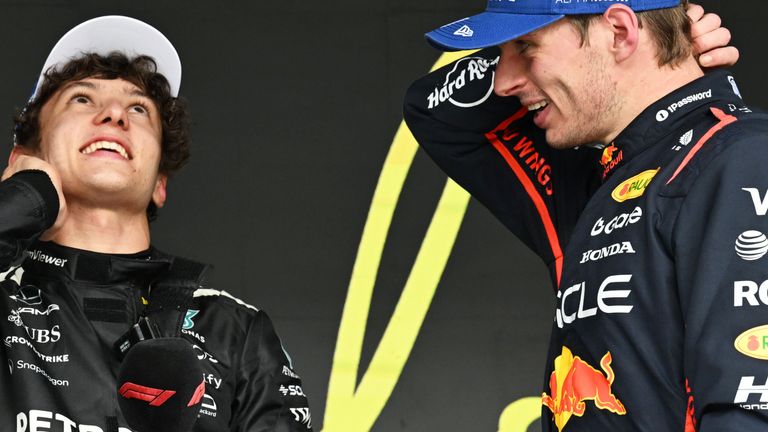
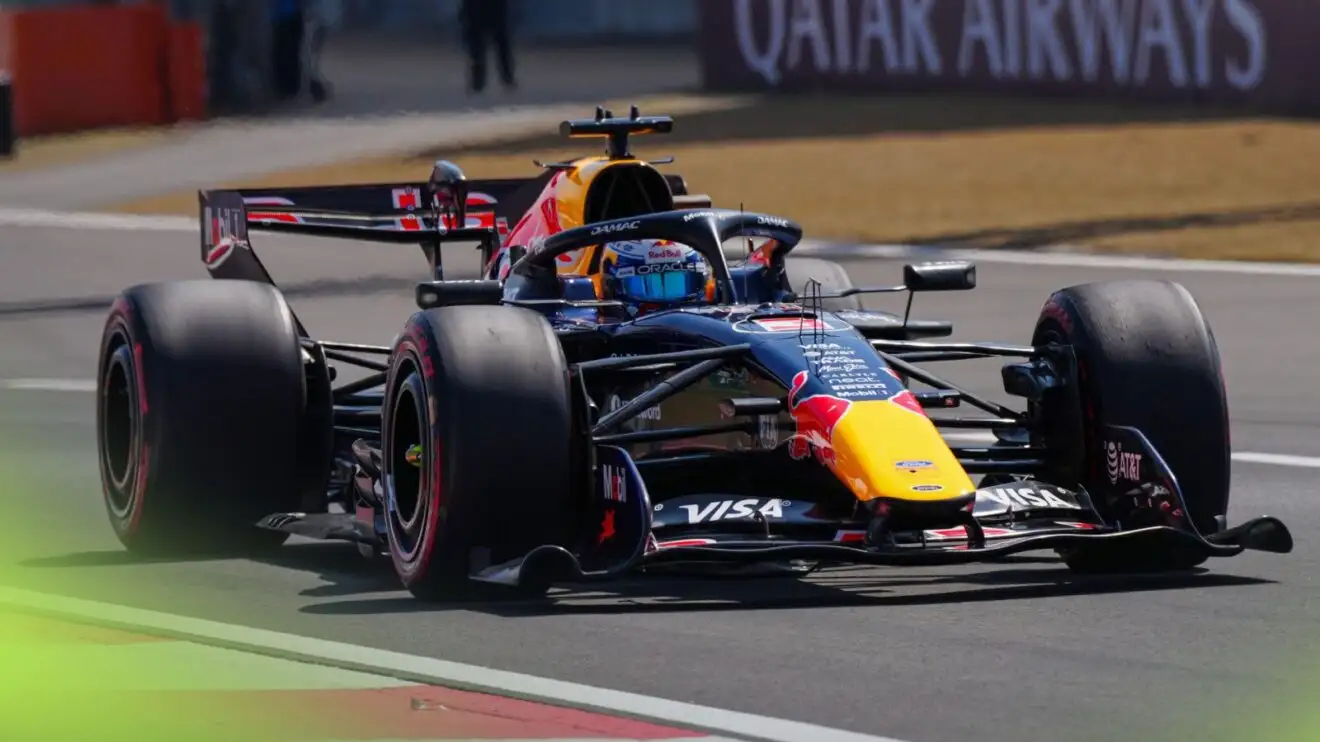
Isack Hadjar says shared RB22 weaknesses with Max Verstappen are reassuring after Hungary, aligning both drivers on oversteer and limited mechanical grip that have shaped Red Bull’s 2026 campaign.
Hadjar argues aligned feedback matters; diverging impressions would risk misdirected development and poor correlation between tools and track.

Verstappen described escalating oversteer and grip loss through Budapest, noting lap-by-lap deterioration, most acute in qualifying.
Verstappen said the car kept getting worse lap after lap, particularly in qualifying.
Hadjar mirrored those symptoms and struggled to locate a workable balance around the Hungaroring’s sequence-dominated layout during the Hungarian GP weekend.
He finished sixth in Budapest and stressed his notes matched Verstappen’s, calling that alignment the weekend’s main positive.
Hadjar: “Yeah, which is reassuring, let’s say.”
The rookie’s qualifying pace again compared well, relative to Verstappen, and better than many recent team-mates occupying the second seat in Red Bull’s lineup.
First-stint weakness is Hadjar’s priority to unlock race pace.
Hadjar targeted the first stint as his biggest frustration, seeking answers on tyre preparation and balance drift that stalled progress, as outlined in his recent recovery message.
Technical director Pierre Wache highlighted entry stability and mid-corner understeer, and Hadjar agreed those must be solved before chasing secondary gains.
Priority fix: entry stability and mid-corner understeer.
That common diagnosis across both cars gives engineers a clearer path, tightening simulator and wind-tunnel correlation and focusing upgrades on predictable, drivable balance.
Short term, Red Bull must stabilise balance over longer runs to convert qualifying strengths into race pace without the pronounced drop-off.
If those weaknesses are trimmed, Verstappen and Hadjar should find more consistent performance and protect championship prospects in a compressed 2026 field.
Visual Summary
HADJAR
VERSTAPPEN
Two Red Bulls,
One Problem.
One Problem.
Both Hadjar and Verstappen struggle with the RB22’s unstable grip — but their feedback matches.
“Reassuring. Otherwise, I’d be asking myself questions.”
“Reassuring. Otherwise, I’d be asking myself questions.”
Both drivers report:
• Oversteer &
• Degrading performance
Hadjar
Verstappen
Qualifying pace nearly matched
🤝
Aligned drivers = focused upgrades

Daniel Miller reports on Formula 1 Grand Prix weekends with race-day analysis, team-radio highlights, and point-standings updates. He explains power-unit upgrades, aerodynamic developments, and driver rivalries in straightforward, SEO-friendly language for a global F1 audience.