
https://shop.fervogear.com/cart

Charles Leclerc Issues Bold Ferrari Directive in Intense Upgrade Battle

Highlights
- Leclerc urges Ferrari to adopt an aggressive upgrade strategy
- 2026 F1 regulations emphasize wings over ground effect downforce
- Ferrari trails Mercedes by 72 points in Constructors’ Championship
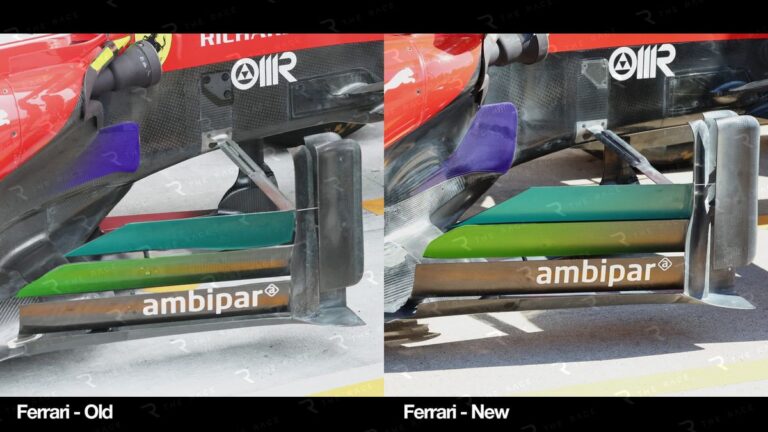
- Ferrari delivered major upgrades at Miami, Barcelona, and Austria
- Leclerc describes the SF-26 as inconsistent yet promising
- Mercedes leads with Hamilton second; Antonelli tops drivers’ standings
Charles Leclerc urges Ferrari to stay aggressive with upgrades as the 2026 rules reset reshapes the competitive order and Mercedes sets the benchmark heading into the summer break.
The new regulations return downforce emphasis to the wings, reducing reliance on floor-generated load. That change reopens development headroom and increases the potential magnitude of performance steps.

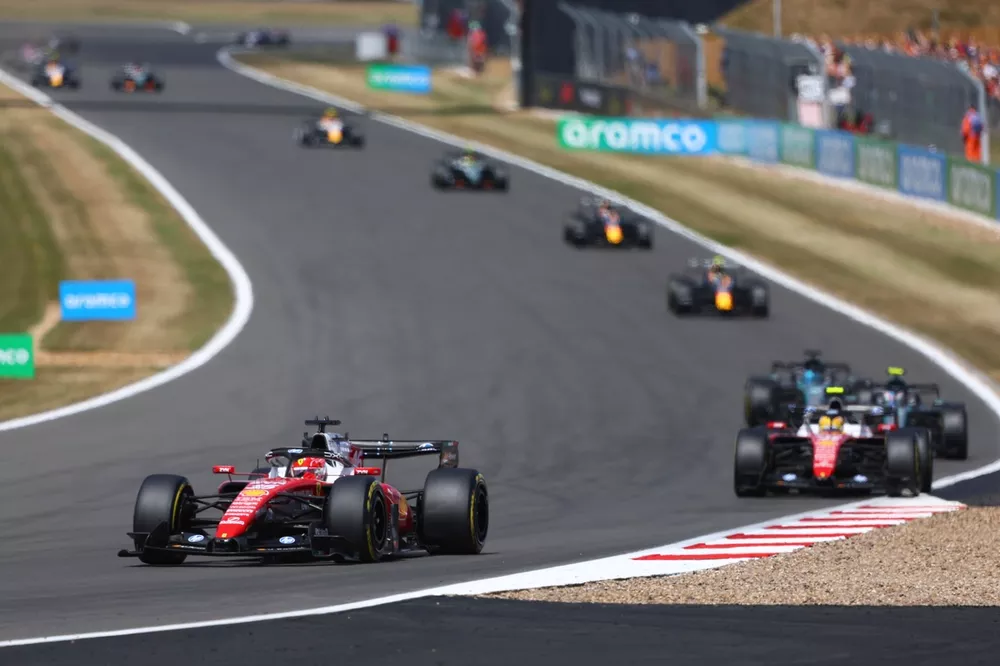
Ferrari has moved early, delivering sizeable packages in Miami and Barcelona, plus a new power unit for Austria. Yet inconsistency persists, with Hungary yielding fourth and fifth for Leclerc and Lewis Hamilton after a fluctuating race. Further context from the Hungarian Grand Prix analysis underlines the team’s variable form.
Leclerc characterises the SF-26 as “odd,” with pace oscillations across stints. The hard-tyre opening phase showed promise, and the soft-tyre finish was strong, but the middle ground proved elusive.
The numbers frame the task. Ferrari trails Mercedes by 72 points. In the drivers’ standings, Hamilton sits second, while Kimi Antonelli leads by 59, setting a formidable reference.
Leclerc wants Ferrari to keep pushing aggressive upgrades to exploit the 2026 rules reset.
That stance makes sense. Under the cost cap and ATR limits, marginal CFD and wind tunnel gains matter. With wings back in focus, aerodynamic efficiency and platform stability can deliver outsized returns.
Execution now becomes the differentiator. Clean run plans, robust correlation, and race-weekend adaptability decide whether updates land immediately or require iterative rework.
Qualifying is pivotal under the new aero profile, magnifying track position. Insights from Ferrari’s recent qualifying trial highlight the need to unlock one-lap balance without compromising race flexibility.
Operational tidiness matters too. Slip-ups have already cost Ferrari track position, contributing to a missed opportunity narrative in recent events.
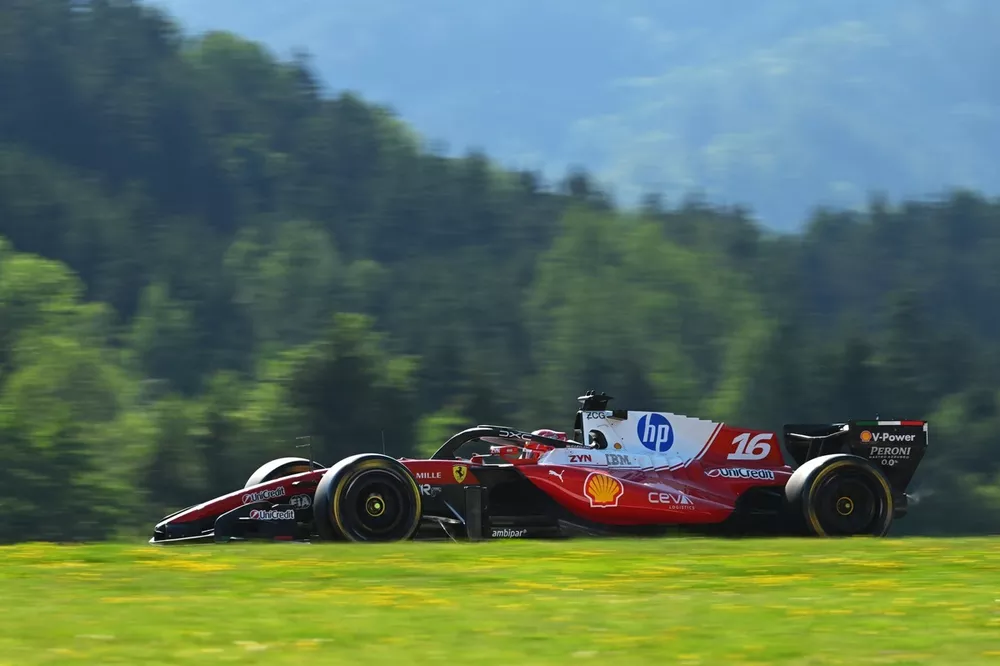
The 2026 rules shift load generation back to the wings, creating bigger development swings than recent seasons.
Mercedes still shows vulnerabilities, but its baseline is robust. For Ferrari, the challenge is delivering updates that work out of the box, then extracting consistent performance across changing conditions.
Team leadership has echoed that need for rapid translation of upgrades into points, reinforced by Vasseur’s assessment after Hungary. The direction is clear; the timeline is not forgiving.
The upcoming races will test Ferrari’s cadence and correlation. Reduce the swings, stabilise the operating window, and podiums become repeatable targets rather than conditional outcomes.
Antonelli leads Hamilton by 59 points, underscoring the benchmark Ferrari must chase under the new regulations.
Visual Summary
🏔️
MERC
+72
⬆️
FERRARI
Leclerc
🔺➔🔺➔🔺
⚡️
“We must stay aggressive.”
ANTONELLI
P1
🏁
P1
🏁
⬅️ HOT
⬆️ COLD
⬆️ COLD
Performance Swings
2026: THE UPGRADE WAR
Leclerc rallies Ferrari to attack, chasing Mercedes up a mountain of upgrades. Unpredictable, aggressive, electrifying – the 2026 title fight is on.

Daniel Miller reports on Formula 1 Grand Prix weekends with race-day analysis, team-radio highlights, and point-standings updates. He explains power-unit upgrades, aerodynamic developments, and driver rivalries in straightforward, SEO-friendly language for a global F1 audience.