
https://shop.fervogear.com/cart

Alex Albon Reveals Williams’ Biggest Weakness in F1 Battle

Highlights
- Williams’ FW48 struggles due to overweight design in 2026 season
- Albon calls current team effort the “biggest” to fix issues
- New front wing showed limited gains at Silverstone
- Major upgrade package expected at Azerbaijan Grand Prix in September
- Albon faced wind challenges impacting rhythm at Hungarian Grand Prix
- Team aims for stronger car and performance improvements next season
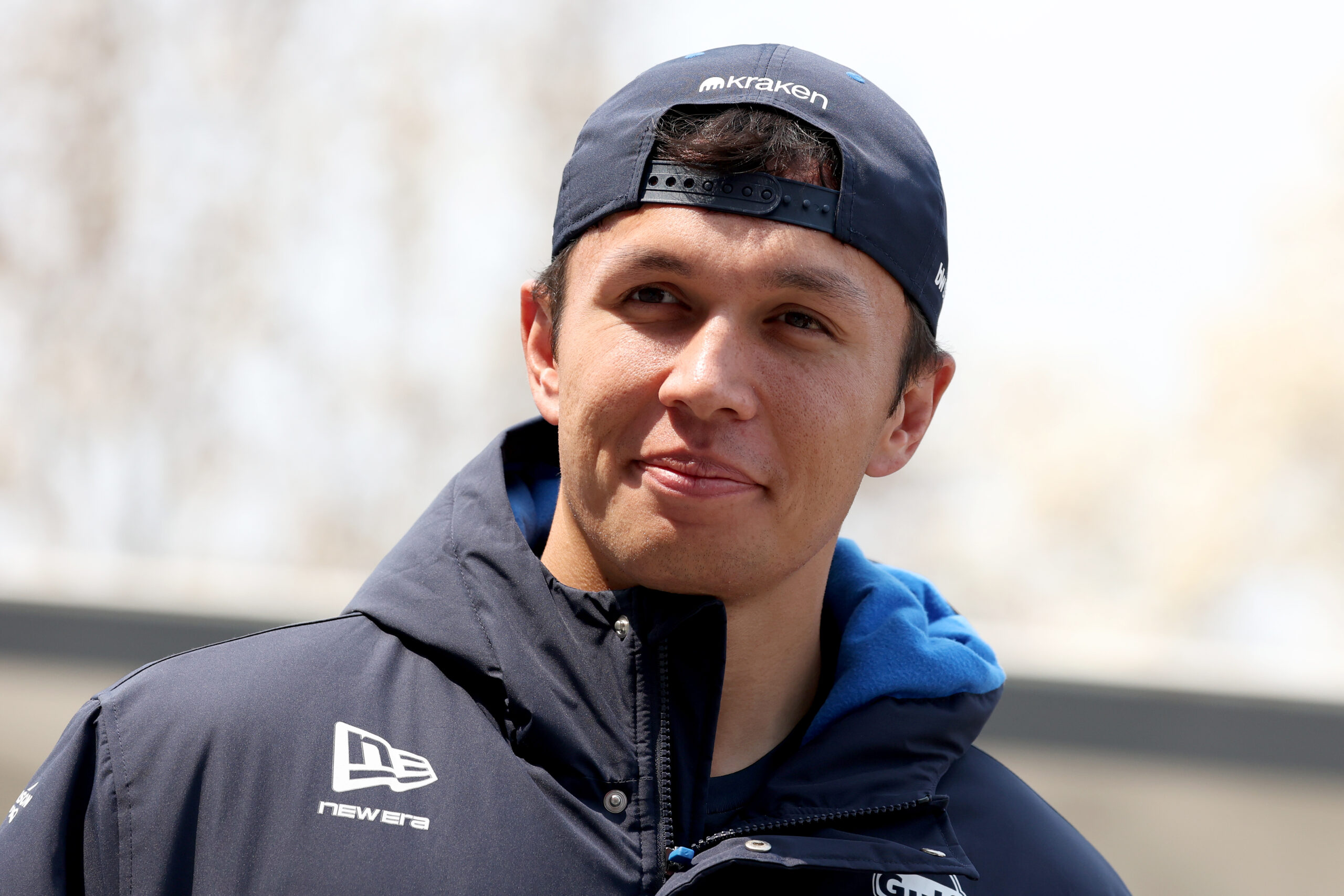
Alexander Albon says Williams is mounting its biggest push to correct the FW48’s weaknesses, after limited gains from a new front wing and with a bigger package due in Baku.
He attributes underperformance to an overweight 2026 car and traits that hurt on medium‑ to high‑speed, constant‑radius corners at Barcelona and the Hungaroring.

The pattern tracks back to 2014’s turbo‑hybrid era, with Williams traditionally stronger on low‑downforce layouts and increasingly exposed as cornering demands and sensitivity rise.
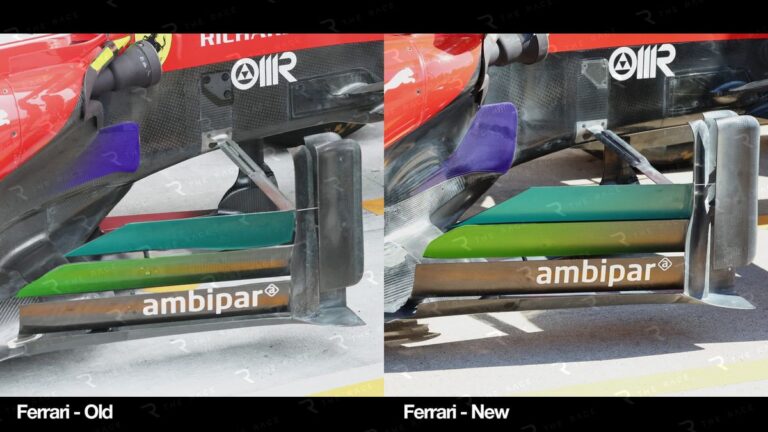
A revised front wing debuted at Silverstone. Correlation was acceptable, but uplift was modest, underlining that lap‑time is locked in wider architecture rather than a single aero surface.
The next milestone is a larger package for September’s Azerbaijan Grand Prix. Lead‑time realities mean many parts were frozen months ago, so a complete fix is unlikely before Baku.
“This is the biggest effort I’ve seen” — Albon on Williams’ factory push
Albon describes the push as the biggest he has seen at Grove, targeting what he calls the car’s genetic traits rather than symptoms.
He says the factory understands the weaknesses and is changing underlying behaviours, with emphasis on preventing those traits from carrying into next season’s car.
That stance echoes insights from F1 veteran Alex Albon on process and correlation.
Hungary underlined the sensitivity. Strong gusts forced Albon to underdrive, broke rhythm, and left only a handful of laps with stable conditions to build consistency.
“The wind forced me to underdrive,” Albon says of a rhythm‑breaking Hungaroring race
Such gust sensitivity typically signals an aero‑map that shifts with yaw, compounding balance swings and confidence loss.
Teammate Carlos Sainz experiences the same pattern on medium‑ and high‑speed venues, a context relevant to ongoing discussions about Sainz’s future at Williams.
Elsewhere, rivals continue to find gains, with aggressive upgrade cycles raising the bar. For Williams, Baku is primarily a data‑gathering step to refine setup and validate direction.
Recovery will be multi‑step, requiring weight reduction, aerodynamic efficiency, and stability improvements delivered across phases rather than one leap.
A complete fix by Baku is unlikely given long lead times on the September package
After a difficult 2026 campaign, the current work is designed to lay foundations for a more competitive package next season, with driver and team aligned on priorities.
Visual Summary
Williams Battles Its DNA Issues
Albon sees “biggest effort” yet as team takes on stubborn weaknesses
Albon sees “biggest effort” yet as team takes on stubborn weaknesses
🔧
“Biggest effort I’ve seen”
— Albon, on engineering push
“Biggest effort I’ve seen”
— Albon, on engineering push
🏎️💨 Medium–High-Speed Turns = Trouble
(Barcelona, Hungary)
(Barcelona, Hungary)
⏳
Baku GP: Next Big Step
Major upgrades Sept.
Baku GP: Next Big Step
Major upgrades Sept.
It’s not just a car problem —
Williams is re-coding its racing DNA 🧬
Can they finally shake old habits?
Williams is re-coding its racing DNA 🧬
Can they finally shake old habits?

Daniel Miller reports on Formula 1 Grand Prix weekends with race-day analysis, team-radio highlights, and point-standings updates. He explains power-unit upgrades, aerodynamic developments, and driver rivalries in straightforward, SEO-friendly language for a global F1 audience.