
https://shop.fervogear.com/cart

Isack Hadjar Receives Honest Praise as Verstappen’s New Teammate


Highlights
- Isack Hadjar secured Red Bull seat for 2026 F1 season.
- Hadjar’s qualifying gap to Verstappen averages just over 0.2 seconds.
- Red Bull accepts maximum 0.3 seconds gap to top driver.
- Hadjar scored 68 points in first half of 2026 season.
- Best race finish: fourth place at Monaco Grand Prix.
- Former driver Davidson praised Hadjar’s determination and consistency.
Isack Hadjar secures the second Red Bull seat for 2026, aged 21. His campaign impresses analysts and Anthony Davidson, given the relentless comparison point of Max Verstappen.
Across the first 11 rounds, Hadjar’s average qualifying deficit to Verstappen sits just over 0.2s, well inside Red Bull’s 0.3s tolerance for a second driver.

He secures the Red Bull seat for 2026 on merit, with trends that the team historically values when pairing a rising driver alongside an established reference like Verstappen.
Hadjar’s average qualifying deficit to Verstappen is just over 0.2s across 11 rounds.
That benchmark matters because the second Red Bull seat proves unforgiving since Daniel Ricciardo’s 2018 exit. Pierre Gasly lasts 11 races; Alex Albon follows, then Sergio Perez through dominant years.
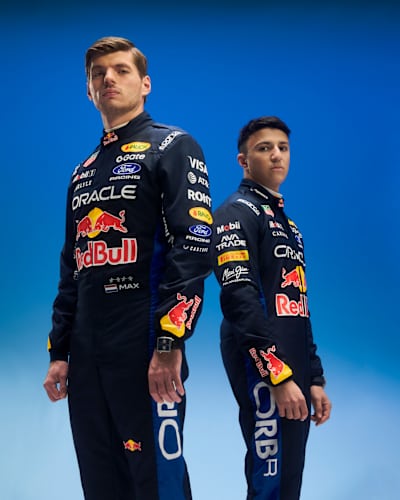
Perez wins five Grands Prix but fades after 2022–23 peaks. In 2025, Liam Lawson starts, lasts two rounds, and Yuki Tsunoda offers only marginally stronger form before losing momentum.
Against that churn, Hadjar’s opening half-season totals 68 points. He qualifies on the second row in Melbourne and records a best finish of fourth at Monaco, reinforcing upward trajectory.
Hadjar has 68 points in the first half of 2026, with a best finish of fourth at Monaco.
Anthony Davidson frames the step as brutally transparent. With Verstappen as reference, he says there is “nowhere to hide,” praising Hadjar’s straight‑ahead approach and consistency under scrutiny.
“There’s nowhere to hide,” says Anthony Davidson of racing alongside Verstappen.
Crucially, Hadjar sustains sub‑three‑tenths gaps more consistently than any Verstappen team‑mate since Ricciardo, strengthening Red Bull’s confidence in a stable pairing for car and tyre development.
Recent reports highlight how he handles the pressure at Red Bull and how early struggles against Verstappen give way to steadier execution, supported by concise feedback loops.
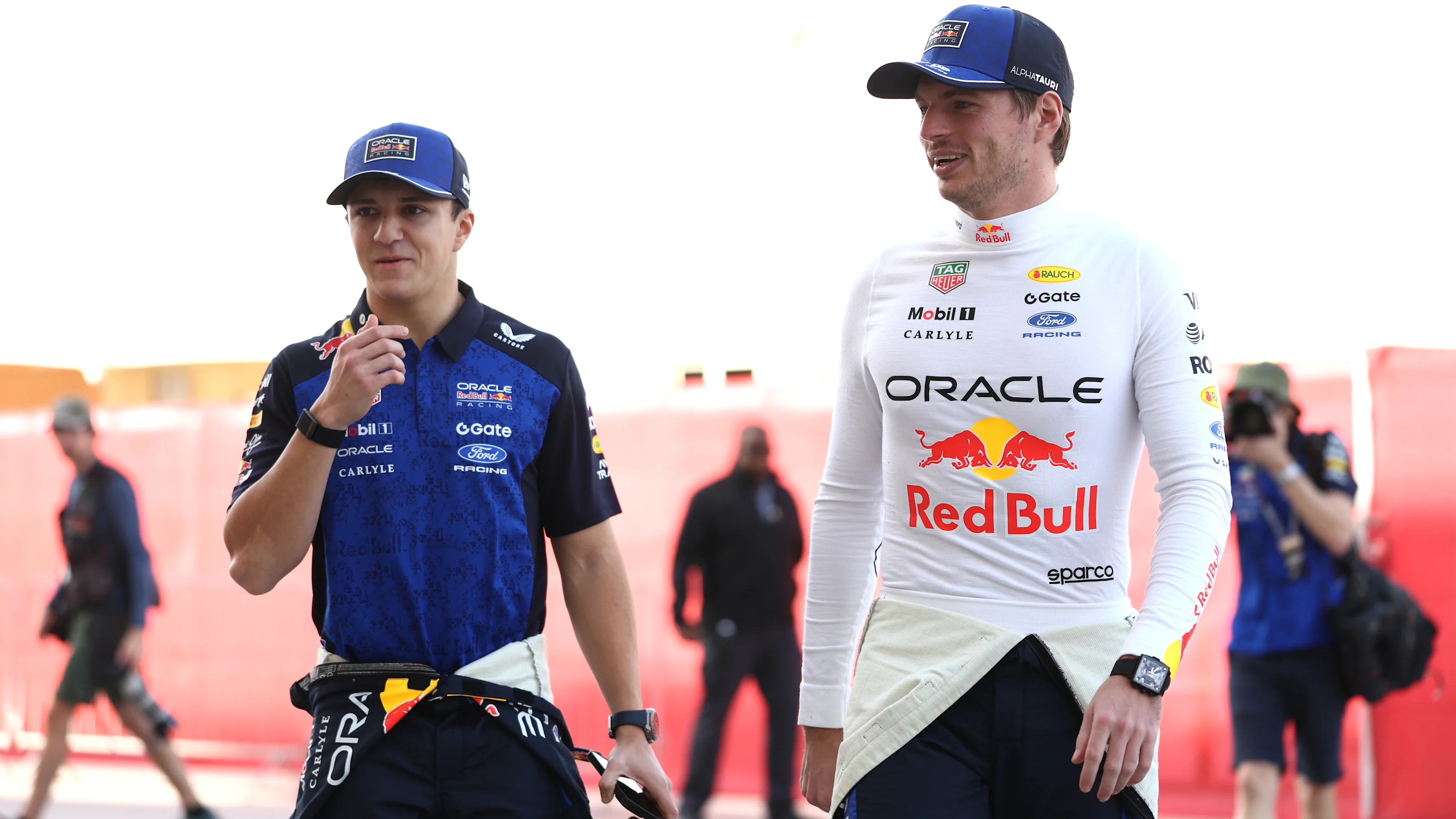
The competitive relevance is clear. Maintain this qualifying spread and the points should follow, as teams optimise early‑cycle 2026 regulations around evolving power‑unit deployment and efficiency trade‑offs.
Whether Hadjar sustains or trims the gap will decide if he becomes Verstappen’s strongest ally since Ricciardo. For now, the metrics justify Red Bull’s choice, and the seat feels calmer.
Visual Summary
VER
HAD
0.22s
Red Bull’s closest teammate gap since Ricciardo
68
Points (first 11 rounds)
2nd ROW
Melbourne Qualifying
4th
Monaco Grand Prix Finish
Hadjar stays well inside Red Bull’s “three-tenths rule” – a rarity since Ricciardo.
“There’s nowhere to hide. Racing Verstappen is a very honest test.”
— Anthony Davidson on Hadjar’s Red Bull challenge
Isack Hadjar is Red Bull’s brightest rookie hope in years.
The honest test is on. Will he become Verstappen’s best teammate yet?
The honest test is on. Will he become Verstappen’s best teammate yet?

Daniel Miller reports on Formula 1 Grand Prix weekends with race-day analysis, team-radio highlights, and point-standings updates. He explains power-unit upgrades, aerodynamic developments, and driver rivalries in straightforward, SEO-friendly language for a global F1 audience.