
https://shop.fervogear.com/cart

F1 Shutdown Explained: Why It Happens and How It Works

Highlights
- Formula 1 begins mandatory two-week summer shutdown after Hungarian GP.
- Shutdown bans all car development and performance work activities.
- Most teams shut down factories from August 3 to August 17.
- Repairs allowed during shutdown only with FIA approval.
- Shutdown aims to control costs and provide staff rest.
- Racing resumes with Dutch Grand Prix at Zandvoort in late August.
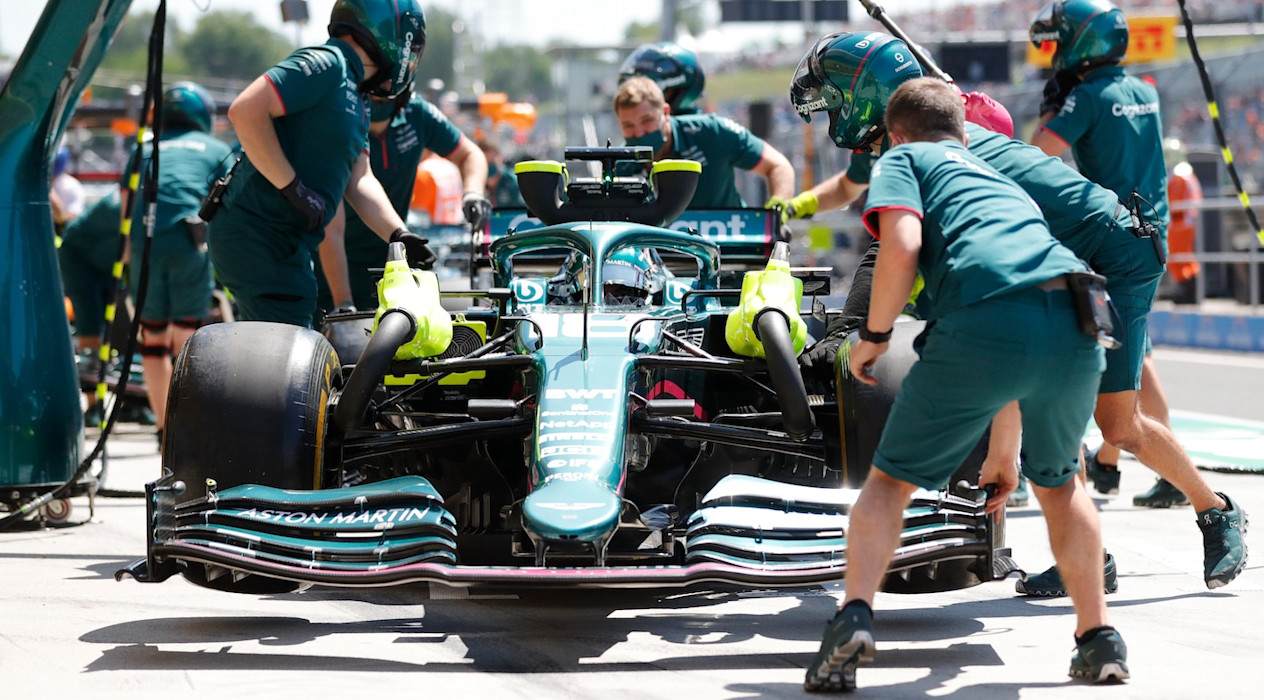
Formula 1 enters its mandatory two-week summer shutdown after the Hungarian Grand Prix. The break follows 11 rounds and halts performance work while giving staff meaningful rest.
The regulation ensures development stops while the calendar pauses. It targets cost control and protects staff welfare during an otherwise relentless campaign from pre-season testing to December.

Enshrined in the Sporting Regulations for over a decade, the 14-day window is declared pre-season. It must fall in July or August, between Budapest and Zandvoort this year.
F1 enforces a 14-day factory shutdown in July or August.
Most teams plan to close August 3–17. The window neatly bridges the Hungaroring weekend, July 24–26, and Zandvoort on August 21–23.
Design, development, and production stop. Wind tunnel running, aerodynamic simulations, CFD, and part manufacturing are banned. Even F1-specific technical communication is restricted to block indirect progress.
Wind tunnel, CFD, and any performance-linked activity are prohibited.
That freeze protects competitive equity. Without it, leaders could extend margins through relentless upgrades, particularly after Red Bull’s strong start to the campaign.
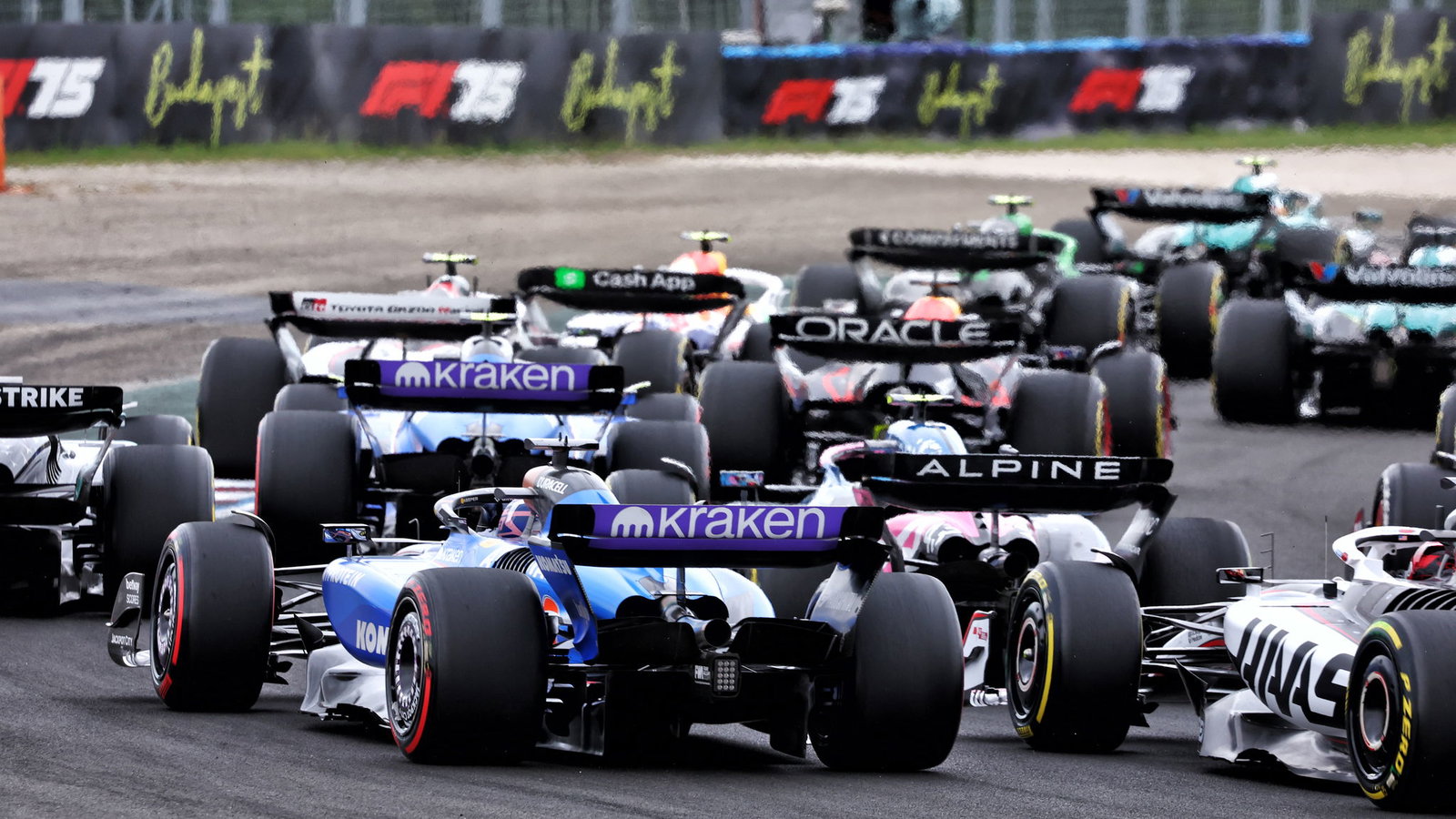
Limited activity continues. Repairs to pre-shutdown damage are permitted only with FIA approval. Work on show cars, non-F1 projects, maintenance, IT support, logistics, and basic administration can proceed.
Once factories reopen, development restarts ahead of Zandvoort. Preparation windows are tight, and calendar risk remains a theme in a congested schedule.
Repairs require FIA approval and must relate to pre-shutdown damage.
Team priorities will differ. Some chase reliability and process gains. Others push upgrades to reclaim momentum before the final flyaways.
Driver-market noise, including Verstappen’s rebuttal of rumors, subsides during the pause, but storylines will reignite as soon as work resumes.
The shutdown also highlights scheduling debates, reflected in Mercedes’ calendar change stance. For now, teams regroup before Zandvoort’s late-August restart.
Visual Summary
11 Races
Summer Shutdown
Season resumes
F1 PAUSED:
Summer Shutdown Locks the Factories
All teams hit the brakes for a two-week, FIA-mandated shutdown.
🏭 Development HALTED
No upgrades
No wind tunnel runs
No performance work
Purpose:
Cost control & staff wellbeing
🏭 Development HALTED
No upgrades
No wind tunnel runs
No performance work
Purpose:
Cost control & staff wellbeing
Factory doors stay closed:
August 3 ⏸️ August 17
Next Race: Dutch GP 🇳🇱 August 21-23
August 3 ⏸️ August 17
Next Race: Dutch GP 🇳🇱 August 21-23

Daniel Miller reports on Formula 1 Grand Prix weekends with race-day analysis, team-radio highlights, and point-standings updates. He explains power-unit upgrades, aerodynamic developments, and driver rivalries in straightforward, SEO-friendly language for a global F1 audience.