
https://shop.fervogear.com/cart

Red Bull Reveals Key Reasons Behind Slow F1 Season Start

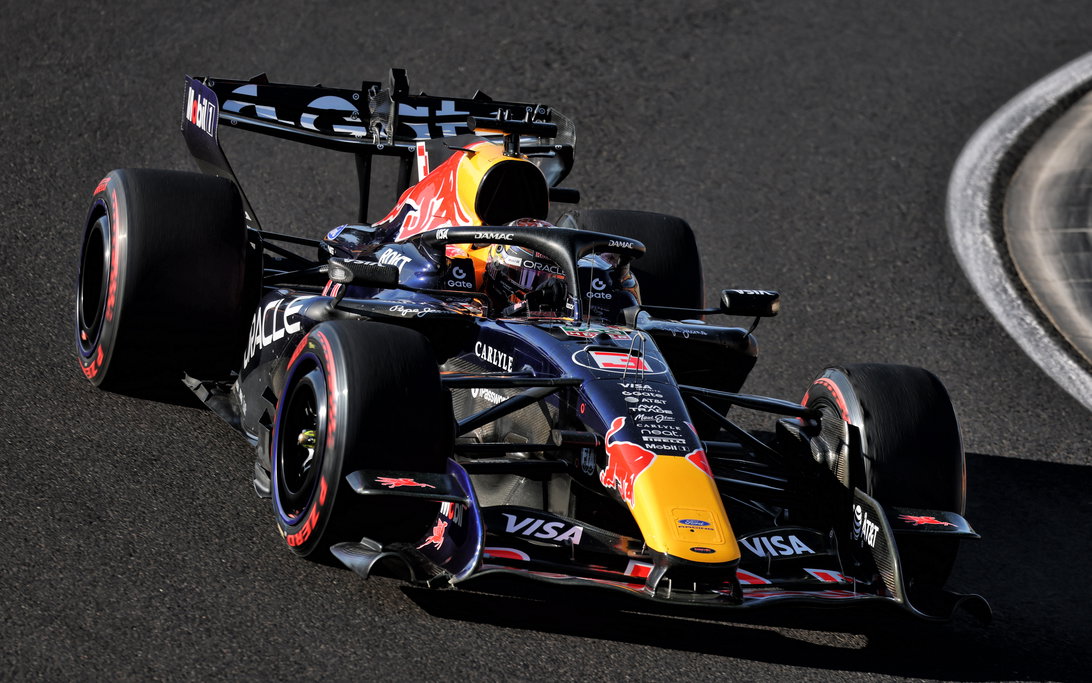
Highlights
- Red Bull’s 2026 start slowed by rivals’ better winter improvements
- 2025 title fight delayed Red Bull’s 2026 car development
- Early 2026 reliability issues caused two retirements in three races
- Major upgrades at Miami halved gap to Mercedes and Ferrari
- Red Bull ranks fourth with 177 points, behind Mercedes and Ferrari
- Verstappen confident as team steadily closes gap to leaders
Red Bull technical director Pierre Waché attributes the team’s sluggish 2026 start to two factors: rivals maximising winter development and the hangover from 2025’s title fight stretching into Abu Dhabi.
The RB22 began the season around a second off Mercedes and Ferrari. Early reliability setbacks with the new power unit triggered two retirements in the opening three races, compounding the deficit.

Max Verstappen’s best early result was sixth in Melbourne, and the team managed only 16 points from the first three rounds before stabilising performance and processes.
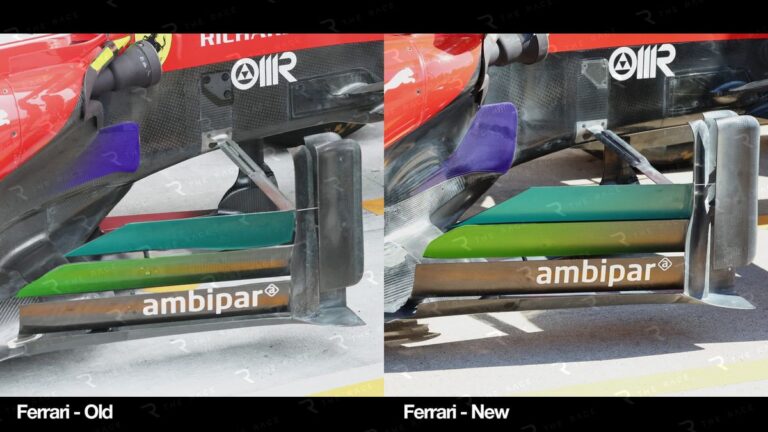
A significant aerodynamic and weight-saving package, introduced in Miami, cut the pace deficit roughly in half. Verstappen converted that step into a front-row start and consistent points thereafter.
Miami’s upgrade package halved Red Bull’s deficit to Mercedes and Ferrari.
As it stands, Red Bull sits fourth in the constructors’ standings on 177 points, 202 behind Mercedes and 130 behind Ferrari. That gap underlines the benchmark set by the leaders and is reflected in the 2026 F1 season stats.
Waché stresses the late-2025 development push diverted resources. Red Bull and McLaren chased gains deep into last season, leaving less runway to optimise for the 2026 regulations.
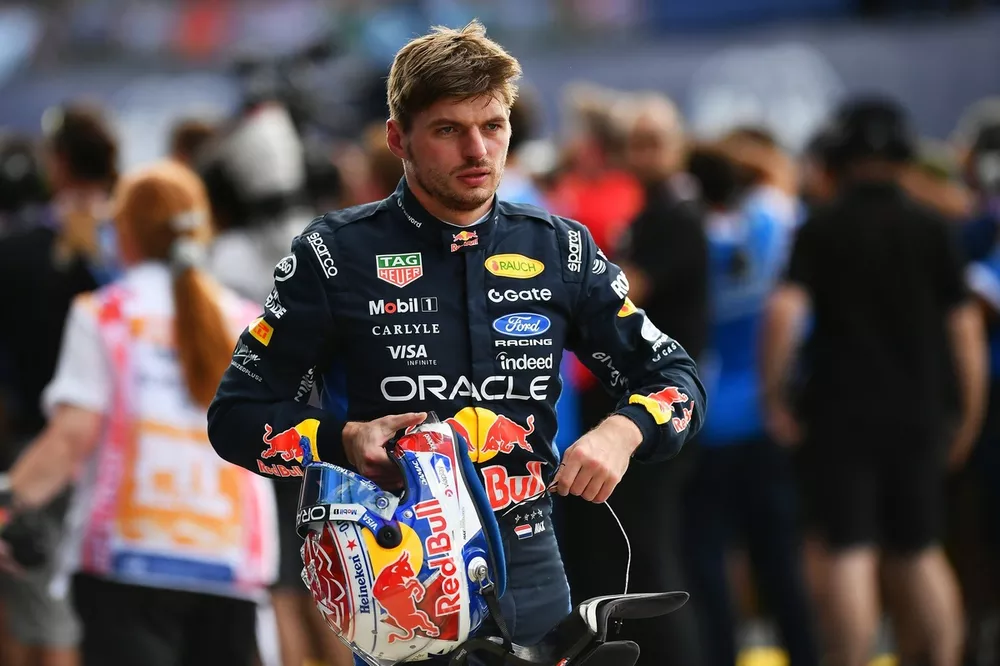
He also acknowledges rivals executed cleaner winters. Red Bull has since focused on diagnosing limitations and addressing the long-debated weakest link in the RB22’s package.
Waché cites rival execution over winter as a decisive factor in Red Bull’s early deficit.
Decision-making has tightened around targeted update paths and operational refinements. That strategy aligns with the recent Red Bull F1 decision to prioritise deliverable lap time over broader concept shifts.
Reliability has also trended upward since the opening flyaways, allowing the car’s aerodynamic gains to translate more consistently into results.
Two retirements in the first three races amplified the headline pace shortfall.
Verstappen remains bullish about trajectory and execution. The focus is on chipping away at the remaining gap while managing upgrade cadence against the calendar’s demands and a compressed competitive window.
Further steps are planned as the team tackles a new challenge at high-downforce venues, where balance sensitivity has been most exposed this year.
If Red Bull sustains its current rate of progress, podiums should become routine and opportunistic wins plausible. Any stumble in reliability or correlation, however, would quickly magnify the margin to Mercedes and Ferrari.
Visual Summary
🏎️
4th Place • 177 pts
⬆️
+202
(Mercedes)
+202
(Mercedes)
🐢
Slow Start
Behind by ~1s
2 retirements
2 retirements
🛠️
Upgrades
Miami Package
Gap halved
Gap halved
🏁
Momentum
Verstappen 6th
Chasing leaders
Chasing leaders
Red Bull Going Uphill 🚀
After a tough start to 2026, upgrades are fueling Red Bull’s comeback—but the climb to the top is steep.
Late-2025 title fight delayed development.
Rivals were quicker over winter.
Now, Verstappen & team are fighting back.
Rivals were quicker over winter.
Now, Verstappen & team are fighting back.

Daniel Miller reports on Formula 1 Grand Prix weekends with race-day analysis, team-radio highlights, and point-standings updates. He explains power-unit upgrades, aerodynamic developments, and driver rivalries in straightforward, SEO-friendly language for a global F1 audience.