

https://shop.fervogear.com/cart

Unbreakable Verdict Declares Extraordinary Red Bull Record

Highlights
- Red Bull Racing won 15 consecutive Grand Prix from 2022-2023.
- Polls show 60% believe Red Bull’s record will remain unbroken.
- McLaren held previous record with 11 consecutive wins in 1988.
- New 2026 rules increased competition with 11 teams, including Cadillac.
- Experts say matching Red Bull’s streak requires skill and luck.
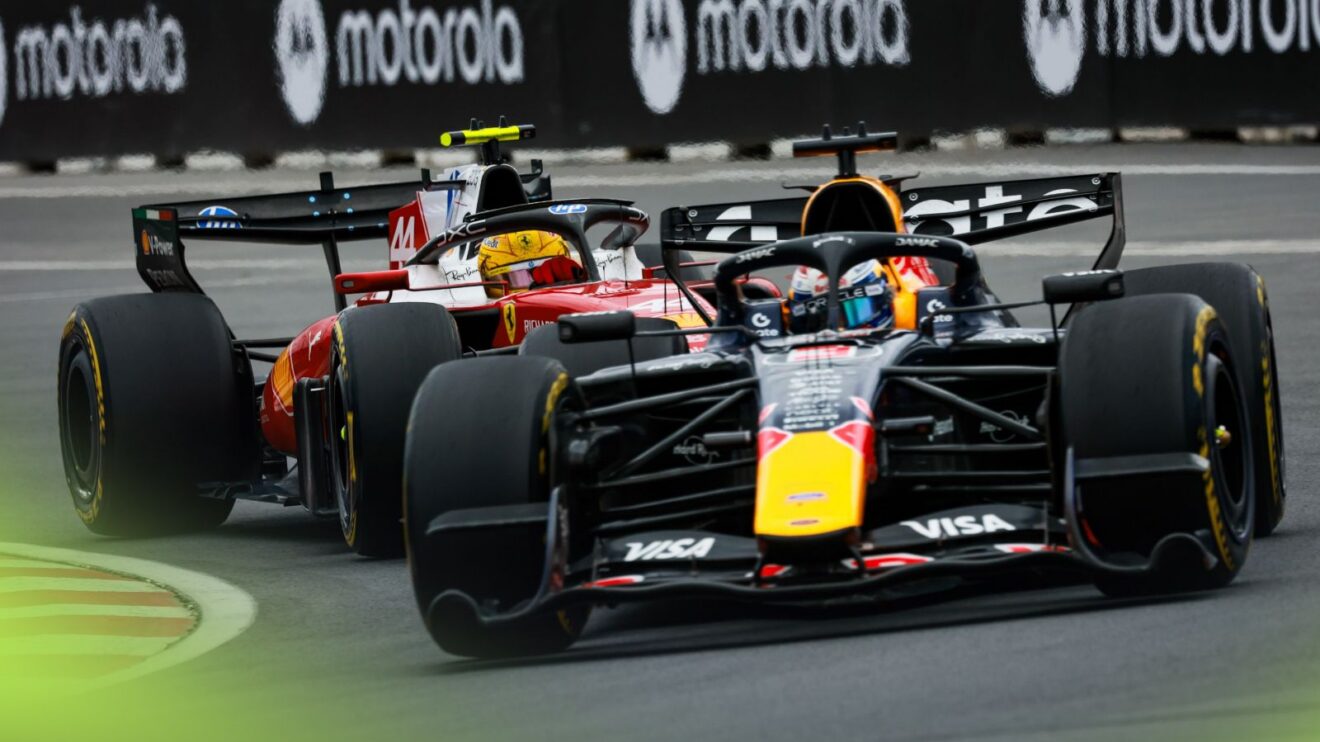
Red Bull’s 15-race winning streak across 2022-2023 remains Formula 1’s gold standard. As outlined in Red Bull’s F1 record, polling suggests most expect it to stand for years.
The run demonstrates a rare alignment of car performance, execution, and reliability. Few teams sustain that level across changing circuits, conditions, and tactical variables.

McLaren’s 1988 benchmark stood at 11 wins with Ayrton Senna and Alain Prost. Red Bull surpassed it in Hungary 2023, then stretched to 15 before Singapore halted progress.
15 consecutive wins is Formula 1’s longest victory streak.
Singapore exposes any weakness in ride, traction, and cooling. It shows how a single error, failure, or misjudged strategy instantly breaks a prolonged sequence.
Sustained dominance requires aerodynamic efficiency, tyre range, and ruthless operations. That combination converts baseline pace into repeatable outcomes across street tracks, high-speed venues, and variable weather.
RacingNews365 polling indicates over 60 percent believe the mark will not be broken. Converging car performance windows and narrow strategic margins reinforce that perception.
Polls show over 60% of fans expect Red Bull’s mark to remain unbroken.
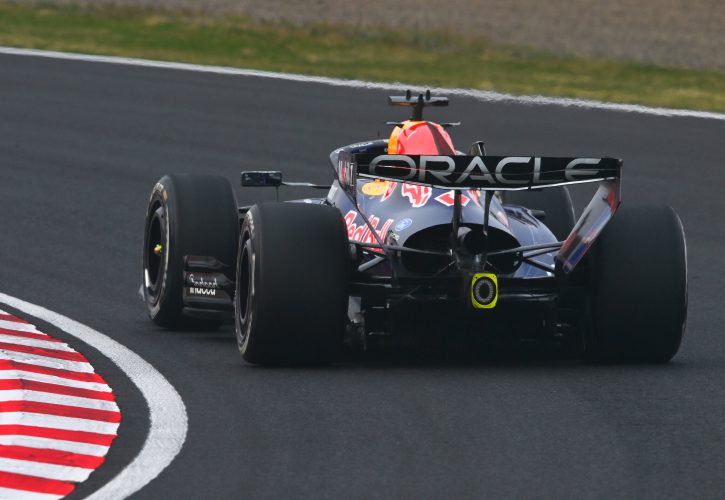
The 2026 regulatory reset reshapes priorities and threatens continuity. As assessed in analysis of the new challenge, a Cadillac entry expands the grid to 11 teams.
More opponents introduce additional attrition risks and strategic blockers. Cost-cap constraints also compress development rates, making weekend execution and upgrade timing even more decisive.
The 2026 rules expand the grid to 11 teams, including Cadillac.
External variables compound the task. Safety Cars, red flags, and weather flick the competitive order, denying even the fastest package a clean, repeatable path to victory.
History provides context but not certainty. McLaren’s 1988 sequence emerged from a different technical landscape, while today’s cost cap and sprints increase jeopardy and operational load.
McLaren’s 11-race run in 1988 stood for 35 years.
Expert assessments, including verdicts on Red Bull’s dominance, stress that luck complements excellence. Outlier weekends, component lifing, or parc fermé limitations can tilt outcomes unexpectedly.
Driver continuity matters too. Decisions around Max Verstappen’s future influence whether Red Bull sustains peaks or cycles through transition.
For now, the 15 stands as a modern benchmark that shapes rivals’ targets. Matching it demands flawless execution and favourable variance across an unforgiving calendar.
Visual Summary
McLaren
11
Red Bull
2022–23
2026+
Teams
15 WINS IN A ROW
Red Bull climbed further than anyone ever before in F1 history.
Red Bull climbed further than anyone ever before in F1 history.
Their 15-race win streak towers above McLaren’s legendary 11 (1988), an achievement fans and experts say may never be beaten.
61%
of fans believe Red Bull’s record will
never be broken.
(RacingNews365 poll)
of fans believe Red Bull’s record will
never be broken.
(RacingNews365 poll)
“It’s a run that requires perfection — car, drivers,
strategy & luck — for a year and a half straight.”
New teams and changing rules only raise the bar.
Will we ever see such F1 dominance again?
Will we ever see such F1 dominance again?
1988
McLaren
— 11 wins (Senna & Prost)
McLaren
— 11 wins (Senna & Prost)
2023
Red Bull
— 15 wins (Verstappen, Perez)
⭐
Red Bull
— 15 wins (Verstappen, Perez)
⭐
As F1 evolves and the mountain of wins grows steeper,
Red Bull’s 2022–23 streak shines brighter than ever.
Red Bull’s 2022–23 streak shines brighter than ever.
Records are made to be broken —
but some summits may never be reached again.
🏔️
but some summits may never be reached again.
🏔️

Daniel Miller reports on Formula 1 Grand Prix weekends with race-day analysis, team-radio highlights, and point-standings updates. He explains power-unit upgrades, aerodynamic developments, and driver rivalries in straightforward, SEO-friendly language for a global F1 audience.