

https://shop.fervogear.com/cart

Ferrari Gears Up for Major Upgrades in Thrilling Title Chase

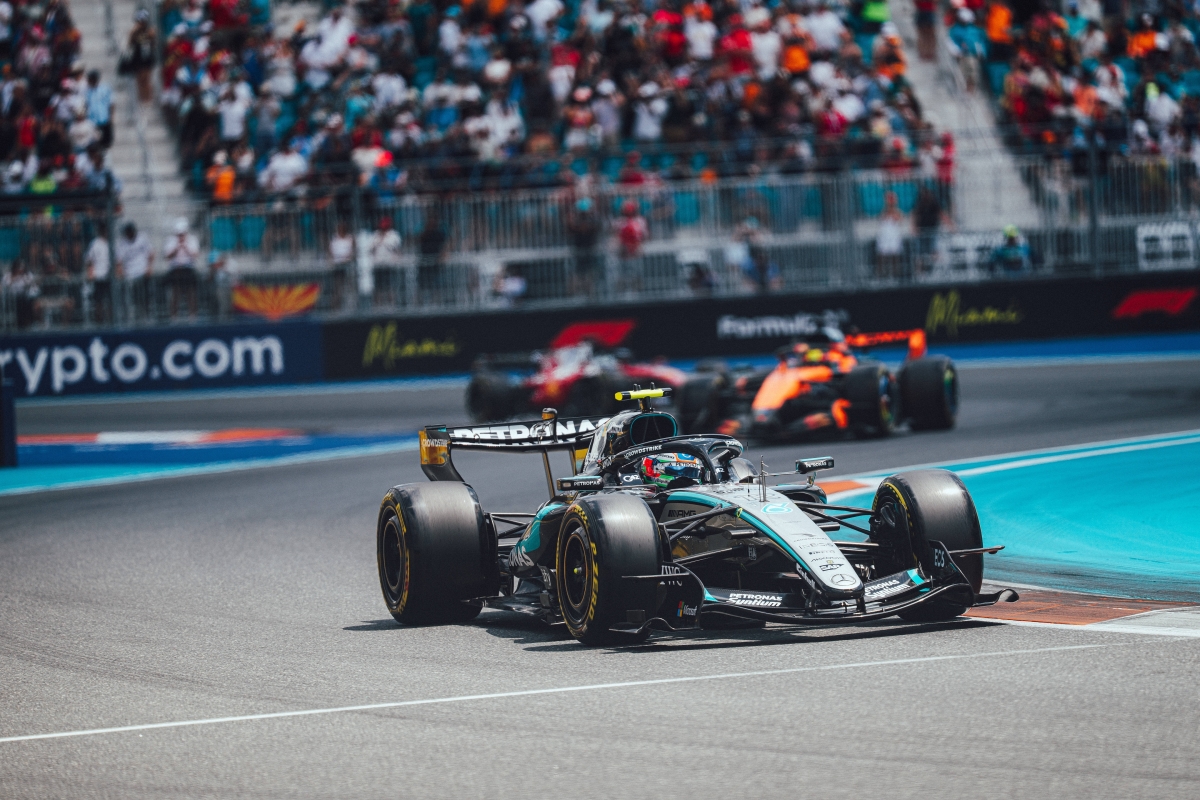
Highlights
- Ferrari earned 307 points and two wins pre-summer break.
- SF-26 integrated all upgrades smoothly without losing balance.
- Chief engineer Loïc Serra guided adaptable, steady car development.
- Major upgrades debuted in Miami and Barcelona improved performance.
- Ferrari’s lead narrowed by rivals’ simultaneous development progress.
- More upgrades planned, focusing on 2027 car’s technical foundation.
Ferrari reaches the summer break as Mercedes’ strongest challenger for the 2026 title, with 307 points and two wins. The headline owes much to disciplined, low‑risk development of the SF‑26.
The car emerges from Maranello with a measured philosophy. Adaptability and stability take priority under the current rules, rather than chasing aggressive, high‑variance downforce gains.

Crucially, every upgrade package integrates cleanly. Balance remains intact, correlation holds, and Ferrari avoids the boom‑and‑bust swings common in early regulation cycles.
That repeatability owes much to chief engineer Loïc Serra. The chassis and aero concept accept iterative changes without undermining the car’s core operating window.
Major packages in Miami and Barcelona delivered predicted gains. The Barcelona step briefly moved Ferrari ahead on pace, confirming strong wind‑tunnel and CFD correlation to track data.
The SF-26 has absorbed every upgrade without compromising its balance or operating window.
Internally, the team rated its mid‑season gains highly, a view echoed in Ferrari’s positive mid‑season verdict, which underscored process discipline and reliable execution.
By Austria, rivals compressed the gap as their own packages landed. That underlines F1’s shifting yardstick: progress only counts relative to parallel development elsewhere.
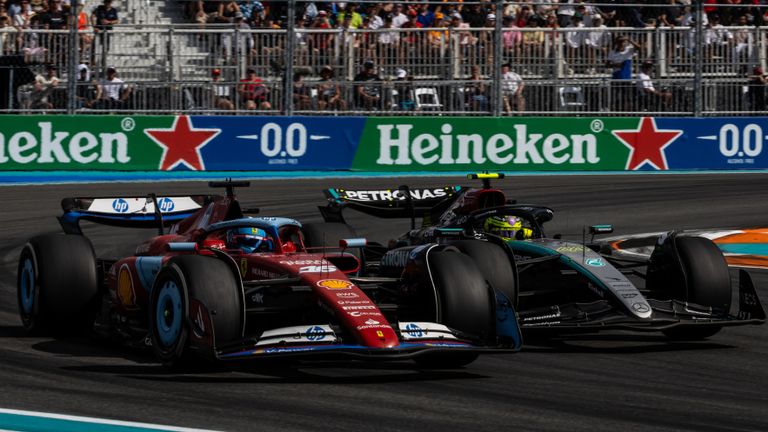
Track characteristics further shuffle the order. Circuit demands and weekend‑specific updates among Mercedes’ pursuers complicate efforts to place Ferrari precisely in the hierarchy, especially amid the Ferrari‑Mercedes battle.
Ferrari banked 307 points and two victories before the summer break.
Ferrari’s approach is conservative by design. Small, reliable steps protect strengths and reduce setup volatility, even if a rival banking a bigger hit can temporarily jump ahead.
Sources indicate more upgrades are scheduled for the run‑in. The work also seeds the 2027 car, using SF‑26 developments as a technical baseline for architecture and airflow concepts.
This year’s development feeds directly into Ferrari’s 2027 technical platform.
That forward planning aims to minimise reset risk and preserve correlation. Building knowledge now should shorten 2027 validation loops and sharpen early‑season deployment.
Mercedes’ response remains pivotal. The team continues addressing shortcomings, with leadership focused on fixes outlined in Toto Wolff’s assessment of Mercedes’ weaknesses.
McLaren’s collaboration with Mercedes could compound that rebound, as suggested by recent momentum around a Mercedes‑McLaren boost, further squeezing the margins.
For Ferrari, the task is simple in principle: keep integrating upgrades cleanly, maintain balance, and convert correlation into points. Consistency remains the best tool against fluctuating competitive pressure.
Visual Summary
SF-26 debut
Miami update
Barcelona update
Rivals close in
Mercedes Target
🏆 2
Wins
307
Points (Halfway)
2
Major Upgrades Integrated
Ferrari’s 2026 climb isn’t about wild leaps—it’s the only team to master every upgrade step, with zero steps back.
Guided by engineer Loïc Serra, the SF-26’s progress is a careful, relentless ascent. Each new package lands without drama. Every upgrade works. While other teams surge or stumble, Ferrari’s climb is slow, steady, and unbroken.
But at the summit: Mercedes.
As rivals push with late-season surges, Ferrari’s smooth path faces new pressure. Will steady development hold against a Mercedes fightback—or will boldness win out?
This isn’t just about 2026. Each upgrade is a stone in the foundation for Ferrari’s next era.
Daniel Miller reports on Formula 1 Grand Prix weekends with race-day analysis, team-radio highlights, and point-standings updates. He explains power-unit upgrades, aerodynamic developments, and driver rivalries in straightforward, SEO-friendly language for a global F1 audience.