

https://shop.fervogear.com/cart

Mercedes Reveal Bold F1 Upgrade Plan as Critical Deadline Nears

Highlights
- Mercedes opted for steady upgrades over major early updates in 2026.
- Largest upgrade occurred at Canadian Grand Prix, improving front wing and floor.
- Team leads constructors’ championship by 72 points after four rounds.
- Major upgrade planned for post-summer break to boost second-half performance.
- Ferrari front-loaded development, keeping championship battle closely contested.
- Mercedes strategy focuses on strong foundation with bigger later improvements.
Mercedes pursues a second-half-weighted development plan in 2026, prioritising steady gains over early headline packages. Simone Resta outlines the approach during the Hungarian Grand Prix weekend, with Mercedes leading by 72 points.
The team starts with a robust W17 baseline, then layers incremental upgrades at almost every round. That cadence aims to protect correlation, reduce risk, and avoid disruptive redesigns.

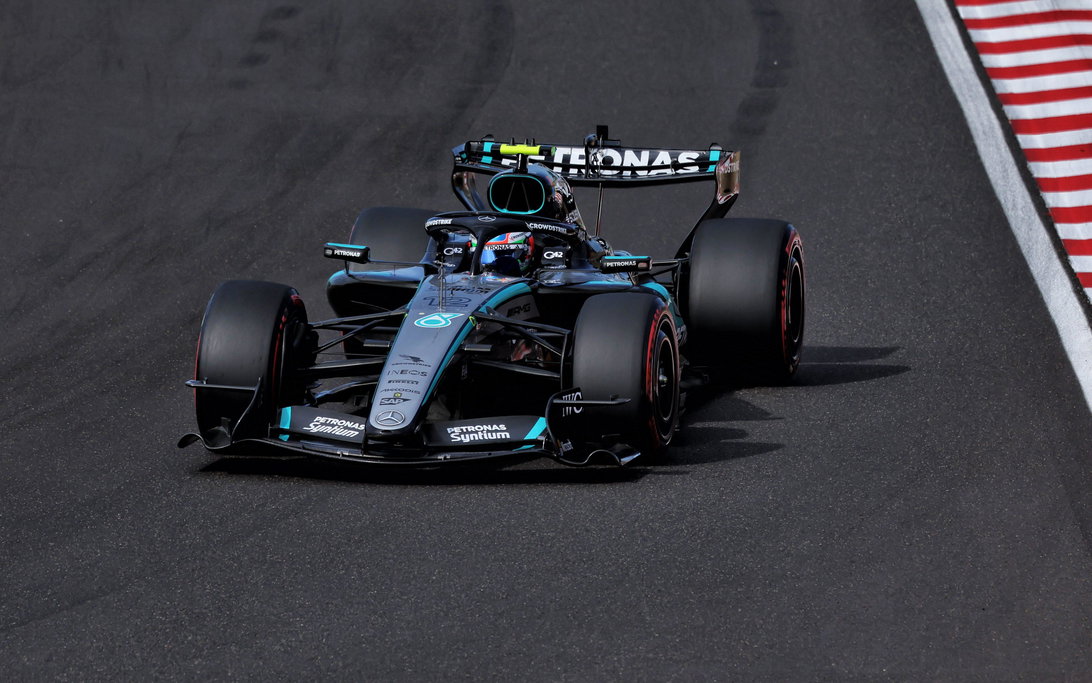
The most substantial package so far arrives in Canada, reworking the front wing, endplates, corner assemblies, and floor elements. It shores up Mercedes’ early advantage against improving rivals.
Toto Wolff frames this as deliberate, saying the team targets a stronger late-season trajectory. The intent is to balance resource spend with competitive peaks after the summer break.
“We’ve tried to have it a little bit more second half of the season weighted.” — Toto Wolff
Ferrari chooses the opposite route, front-loading development and compressing the points spread. The margin moves from 70 after Miami to 72 after four rounds, emphasising fine competitive margins.
Mercedes’ choice brings clear benefits under cost-cap constraints. Smaller, frequent changes control risk and limit waste. The trade-off is ceding early momentum to teams banking bigger initial steps.
Mercedes’ largest update lands in Canada with a front wing and floor-focused revamp.
Resta signals a “more sizeable” package after the summer break, intended to convert steady gains into a bigger performance step. That push is likely to define the title run-in.
Execution will be critical. If rivals sustain early gains, Mercedes must land its post-break package cleanly. Correlation, track characteristics, and operational sharpness will decide the outcome.
Wolff’s thinking on timing and resource weighting is explored in greater depth in Mercedes’ upgrade strategy analysis, which underlines why patience may pay off later.
The team’s broader competitive posture, including potential shifts in title priorities, is set out in Mercedes F1 title shift, placing the 2026 approach in a multi-season context.
Wolff has also acknowledged areas still short of targets, as discussed in his assessment of Mercedes’ weaknesses, which clarifies why the team avoids premature overhauls.
Mercedes leads the constructors’ championship by 72 points after four rounds.
Visual Summary
🧗♂️
🏃♂️
🏆
Mercedes Plays the Long Game 🚀
Steady Upgrades, Title Dreams
Steady Upgrades, Title Dreams
Early Sprint or Methodical Climb?
While Ferrari & Red Bull launched early, Mercedes chose steady progress—with a big summit push soon.
Rivals leaped ahead, but Mercedes leads by just 72 points.
🔵 Small upgrades, one after another,
until the planned breakthrough after summer.
until the planned breakthrough after summer.
Will the summit push be enough to seize the championship?
More on Mercedes’ upgrade strategy
More on Mercedes’ upgrade strategy

Daniel Miller reports on Formula 1 Grand Prix weekends with race-day analysis, team-radio highlights, and point-standings updates. He explains power-unit upgrades, aerodynamic developments, and driver rivalries in straightforward, SEO-friendly language for a global F1 audience.